
Chris Steer
Chris Steer is the Founder and CEO of INITY, a purpose-driven coaching and leadership venture. His core insight is that purpose and prosperity are not in conflict — money, built on integrity, is a tool that gives purpose more power and reach. The shift that changed everything for him was moving from a scarcity relationship with money to one rooted in service.
From a morning practice built around stillness and breathwork to a philosophy that places nervous system regulation at the center of high performance, Chris Steer's story challenges the assumption that serious leadership and inner work belong in separate rooms. In this interview with Powerful Blueprints, Chris talks candidly about the beliefs that kept him small, the lessons that took longest to land, and what he would tell every college student that no professor ever did. Good morning, Chris!
What does Chris Steer's morning routine look like?
Chris Steer begins each morning with gratitude, light movement, breathwork, and meditation — a structured practice he describes as the foundation of both his work and his life.
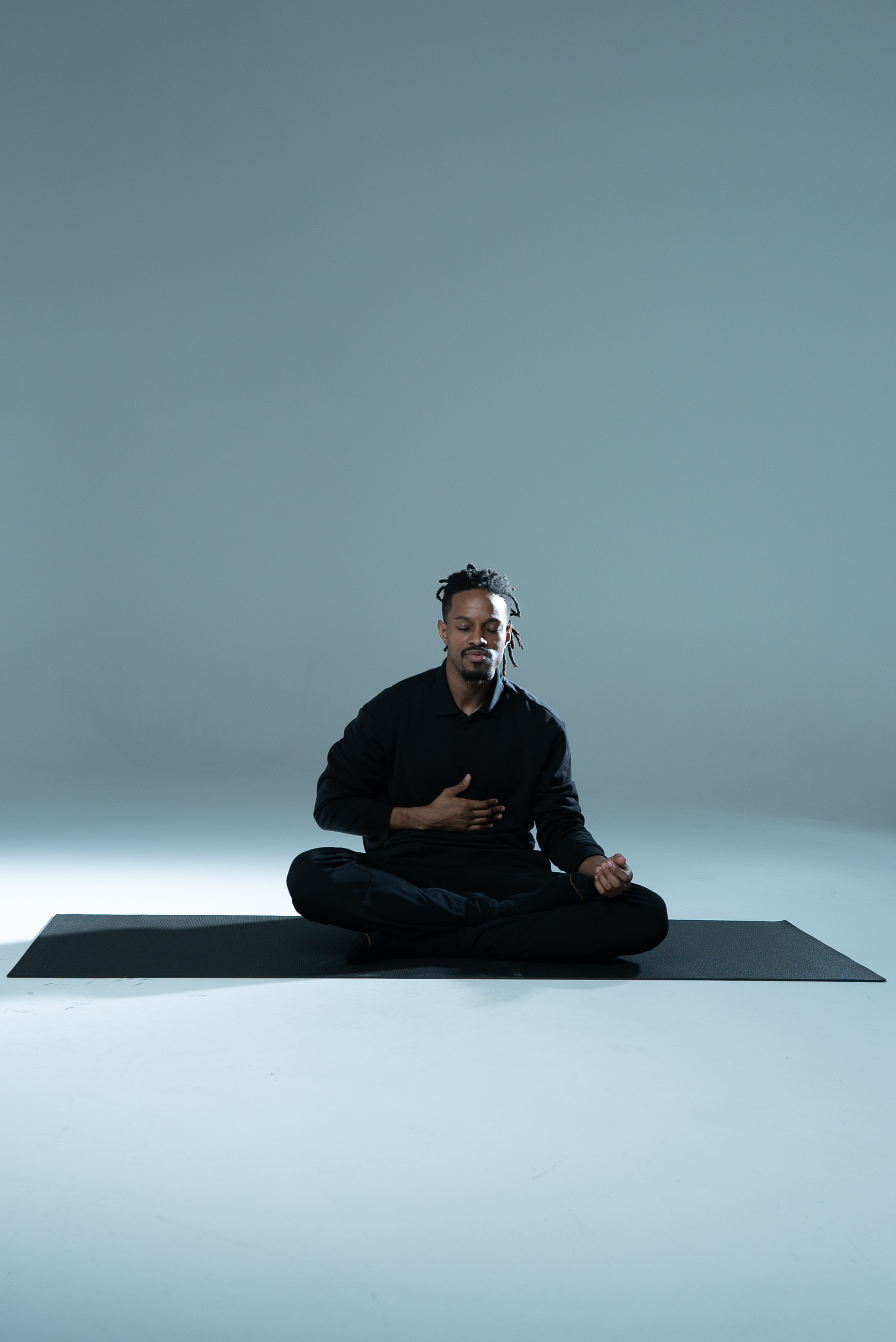
The first thing I do when I wake up is smile and take a moment for gratitude. The body is always listening. A smile and gratitude shifts your chemistry, softens the nervous system, and reminds you that you are alive before you are useful.
I then set the water to boil, while I waken the body with some light stretches, take some vitamin D, and greet the sun. Once I drink some warm water, I sit for my morning practice.
10 minutes of yoga, to wake the body with awareness instead of force. 20 minutes of breathwork, to clear the noise and regulate my energy. 20 minutes of meditation, to return to stillness before the day starts asking things from me.

I close with reading some wisdom. Spiritual text, positive affirmations, anything that points me back to humility, discipline, and love.
The first hour for me is about aligning and intention. Before I lead, coach, create, or serve anyone, I start with self first. It is the foundation of my work, and the foundation of my life.
What belief did Chris Steer hold about money and purpose that turned out to be wrong?
Chris Steer spent years believing that being service-driven and heart-centered meant staying small financially — a belief he now recognizes as rooted in scarcity rather than truth.
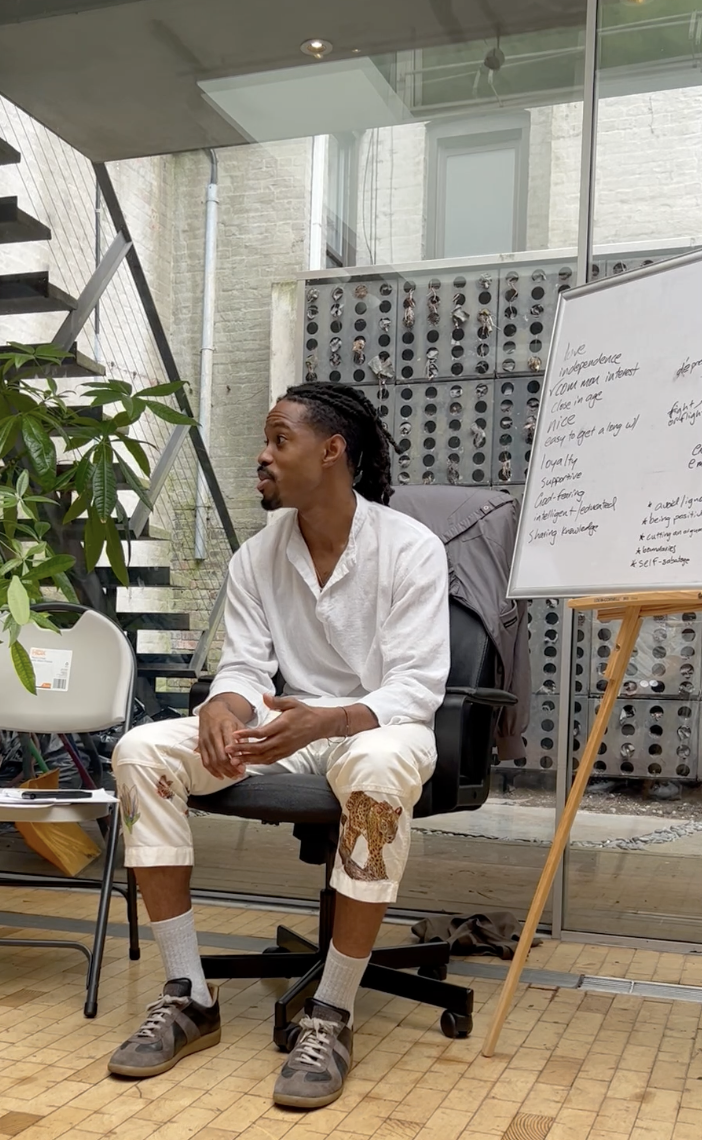
For years, I believed that being spiritual, service-driven, and heart-centered meant I had to stay small. I thought if I really cared about helping people, money had to come second. That charging for my work might make it less pure. That purpose and prosperity were somehow in conflict. That belief kept me limited for a long time.
What I understand now is that money isn't the opposite of service. It's a tool. It creates stability, freedom, reach, capacity. It lets you build systems, support your family, hire people, invest in your craft, and serve at a higher level.
The real question was never whether money is good or bad. It's whether your relationship with it is rooted in fear and scarcity, or in service. I had to learn that my work deserves structure. That my gifts are valuable and deserve respect. That my mission deserves resources.
That shift changed how I see business completely. Built with integrity, business can be a vehicle for healing, education, access, community, transformation. Purpose and prosperity were never separate. The right kind of prosperity just gives purpose more power.
What is the one thing Chris Steer would say to the world that most people aren't saying out loud?
Chris Steer's message is that most people are not lazy or unmotivated — they are overwhelmed and dysregulated, and the next level of performance and leadership runs through nervous system regulation and emotional intelligence, not more grind.
Smile and laugh and keep it light! Help someone who you wouldn't usually help. Most people are not lazy, broken, weak, or unmotivated. Most people are overwhelmed, dysregulated, carrying stress their bodies were never taught how to release.
We live in a culture that says push harder, optimize more, produce faster, stay available all the time. But almost no one is taught how to sit with themselves. How to breathe through pressure. How to process emotion, or build an honest relationship with their own mind.
The future of performance isn't more grind. It's nervous system regulation, self-awareness, emotional intelligence, and community. The next level of leadership isn't just strategy, but also building inner capacity.
What lessons in life took Chris Steer the longest to learn?
Chris Steer's hardest-won lesson is that nothing is permanent — and that a grounded sense of self is what allows a person to adapt, grieve, grow, and stay connected to their center through every change.
One of the lessons that took me the longest to learn is that nothing is permanent. The body changes. Relationships change. Careers change, money changes, the mind changes. Even the version of you that you were so attached to five years ago isn't standing here today.
For a long time, I struggled most when I was attached to how life "should" be instead of working with what was actually in front of me. That gap is where the suffering lives. You start arguing with life instead of responding to it.
Learning about the gap and the gain changed something in me. I stopped measuring life only by what was missing and started seeing the growth that was already there. The lessons. The progress. That shift gave me more acceptance, and somehow more energy too, for whatever the moment was asking of me.
But the deeper root under all of it is having a grounded sense of self. When you know who you are beneath the changes, you don't have to be destroyed by every one of them. You can adapt. Grieve. Grow. And still stay connected to your center.
It taught me to give people room to evolve too. Including myself. If everything in creation is changing, I have to give that same dignity to my loved ones, my clients, and myself.
Nothing is permanent. That doesn't make life hopeless. It makes it sacred. It's what reminds me to be present. To love people while they're here. To meet reality honestly, and keep becoming without holding too tight to who I used to be.
What would Chris Steer tell a college student who wants to build something real?
Chris Steer's first advice to aspiring young builders is to step back from the noise of outside voices and develop the stillness needed to hear their own thoughts — because creativity and intuition can only be heard through silence.
Many young people in college are either driving home with full force what they feel is the best step to take for the "rest of their lives," or aiming to make money, or trying to make a decision to figure out. This pressure mostly comes from messages and voices outside of themselves. The world is telling you to move fast, have it figured out right away.
Learning to build out space for your own thoughts to take lead is a precious skillset. Taking the time to get to know the truth of yourself. Take the time to learn the truth of who you are. Learning about your good and bad habits, learning about what is inspiring, and what holds you back.
Reflecting, and learning and using tools to create stillness, and space in the mind is huge. Creativity and intuition can only be heard through silence. Learn to build out space to be still, without the noise of friends, family, students, professors.
The answers that you seek, and the clarity comes through learning what works for you, and how you can carve out peace and solace. Especially in today's information age. Learning about your strengths and deficiencies and becoming aware of them, can be one of the greatest steps to figuring out your true next steps.
Thank you so much for sharing your story with us, Chris!
Frequently Asked Questions about Chris Steer
Who is Chris Steer and what does he do?
As the Founder and CEO of INITY, I work at the intersection of coaching, leadership, and personal development, helping people build capacity from the inside out. My philosophy centers on the belief that purpose and prosperity are not in opposition — when business is built with integrity, it becomes a vehicle for healing, education, and transformation. I came to this work after years of believing that being service-driven meant staying financially small, a belief I had to dismantle in order to grow. Everything I teach, I have lived — from the morning practices to the hard lessons about impermanence and self-worth.
What is Chris Steer's morning routine and why does he follow it?
As someone who leads, coaches, and creates daily, I have found that the quality of the first hour sets the tone for everything that follows. My routine begins with a smile and a moment of gratitude, followed by light stretches, vitamin D, and greeting the sun. I then drink warm water before moving into 10 minutes of yoga, 20 minutes of breathwork, 20 minutes of meditation, and a closing read of spiritual text or positive affirmations. The intention is to return to stillness before the day starts asking things of me — to align before I serve anyone else.
What is Chris Steer's philosophy on money and purpose?
After years of believing that charging for my work made it less pure, I had to completely reconstruct my relationship with money. My position now is that money is a tool — it creates stability, freedom, reach, and capacity to serve at a higher level. The real question is never whether money is good or bad, but whether your relationship with it is rooted in fear and scarcity or in service. Built with integrity, business can be a vehicle for healing, education, access, community, and transformation. Purpose and prosperity were never separate — the right kind of prosperity just gives purpose more power.
What is Chris Steer's view on the future of high performance and leadership?
Having worked in coaching and leadership development, I believe the prevailing culture — push harder, optimize more, produce faster, stay available all the time — is creating overwhelm rather than performance. Most people are not lazy or unmotivated; they are dysregulated, carrying stress their bodies were never taught how to release. The future of performance, in my view, is nervous system regulation, self-awareness, emotional intelligence, and community. The next level of leadership isn't just strategy — it's also building inner capacity. Almost no one is taught how to sit with themselves, breathe through pressure, or build an honest relationship with their own mind, and that is where the real work begins.
What is Chris Steer's core lesson about impermanence and personal identity?
After spending years struggling with attachment to how life "should" be, the deepest lesson I've learned is that nothing is permanent — and that this truth, rather than making life hopeless, makes it sacred. The body, relationships, careers, money, and even the version of yourself you were most attached to — all of it changes. What protects you through those changes is having a grounded sense of self, knowing who you are beneath the shifting circumstances. That understanding taught me to give people — including myself — room to evolve, to grieve, to grow, and to keep becoming without holding too tight to who they used to be. It is what keeps me present and honest about meeting reality as it actually is.
What is Chris Steer's advice to young people who want to build something meaningful?
Having observed how much external pressure shapes the decisions of college-age people, my strongest advice is to deliberately create space for your own thoughts before acting on anyone else's. The world tells young people to move fast and have it figured out immediately, but creativity and intuition can only be heard through silence. Learning your good and bad habits, understanding what inspires you and what holds you back, and building tools for stillness and reflection — these are not soft skills, they are the foundation of real direction. Learning about your strengths and becoming aware of them can be one of the greatest steps toward figuring out your true next steps. The answers you seek come through learning what works for you, not through absorbing the noise of everyone around you.