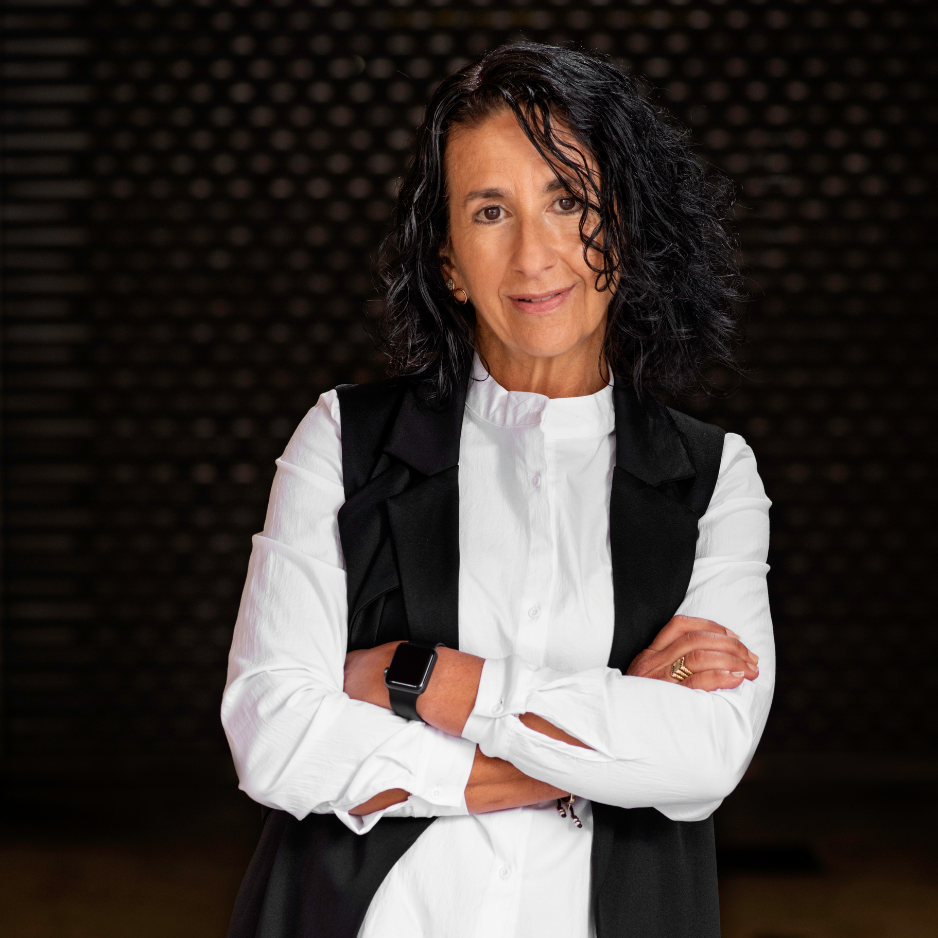
Christina Gerakiteys
Christina Gerakiteys is a founder, author, and CEO whose work sits at the intersection of innovation, entrepreneurship, and failure strategy. Her book Celebrating Success One Failure at a Time grew out of years running bootcamps and innovation programs for hundreds of startups across Australia. Her central argument: failure is inevitable on the path to success, and every organisation needs a deliberate failure strategy — not just an innovation strategy — embedded at the executive and board level.
From a pacifist schoolgirl refusing to write an ANZAC Day address to a pioneer who helped build one of Australia's first Creativity, Entrepreneurship and Innovation courses, Christina Gerakiteys has spent decades at the sharp edge of ideas that institutions weren't yet ready for. In this interview with Powerful Blueprints, Christina talks candidly about the book that was never planned, the chapters that surprised her most, and the bigger project she keeps almost starting. Good morning, Christina!
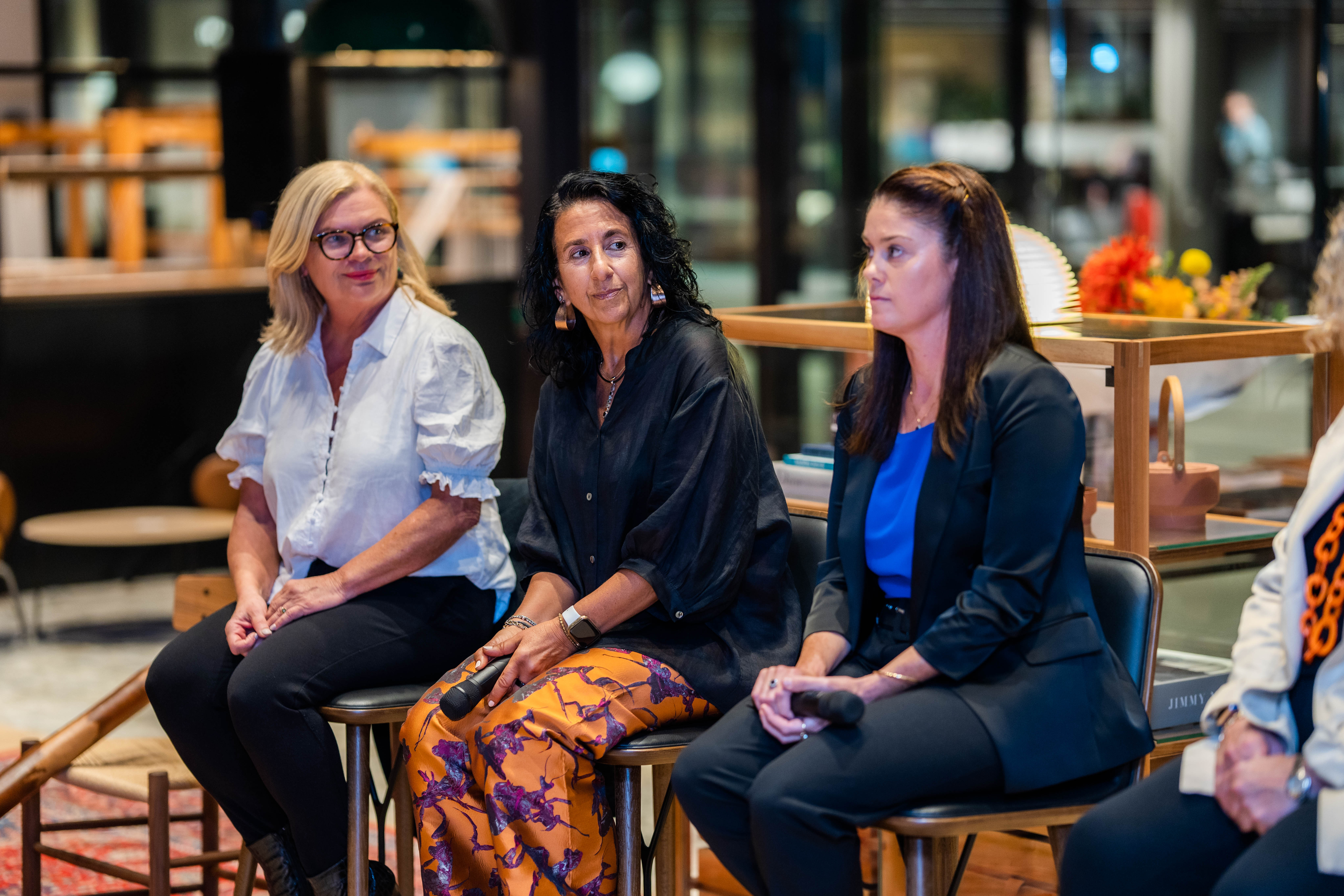
What was the real reason Christina Gerakiteys wrote this book?
Christina wrote the book not as a planned project but as the natural result of years spent working with hundreds of startups and running innovation events — driven by a conviction that the lessons inside those entrepreneurs' stories needed to be told.
The book was the result, not the instigator. Let me explain.
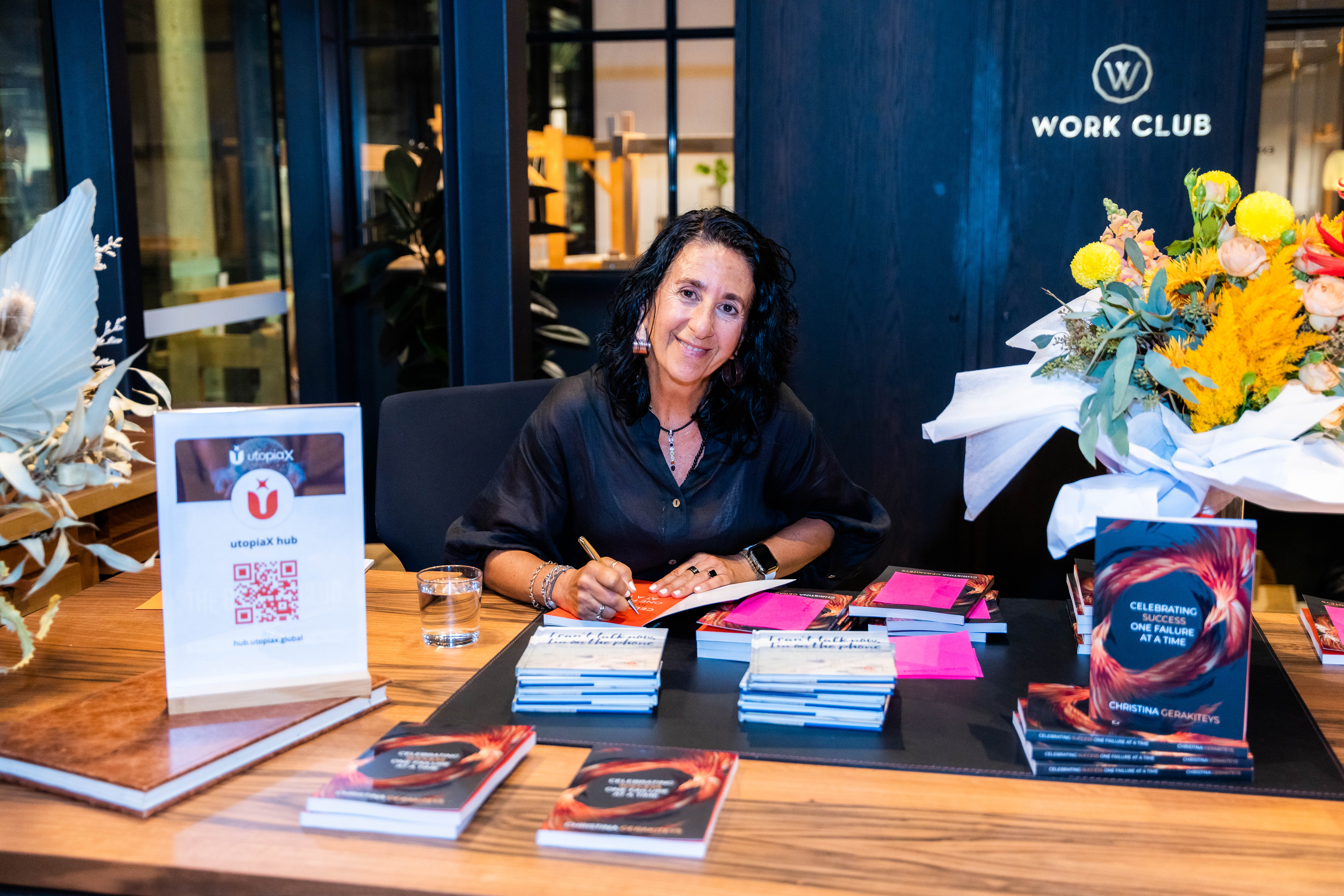
I have worked with, interviewed and run bootcamps for hundreds of startups and small businesses. I ran innovation events and an innovation festival for many years, meeting many innovators. I started one of the first innovation departments in Australia and, with two other innovation tragics, wrote what was one of the first Creativity, Entrepreneurship and Innovation courses in Australia. It was a constant 'niggle' that some of these stories — in fact, most of these stories needed to be told. The lessons contained within the experiences of these entrepreneurs could save other entrepreneurs hours and hours of heartache. That's when I decided to write the book. Or put the book together.
What is the deeper message in Christina Gerakiteys's book that she never quite says directly?
Christina's core argument is that failure has been misunderstood and mismanaged for most of history, and that organisations need a deliberate failure strategy — not just an innovation strategy — supported at the executive and board level.
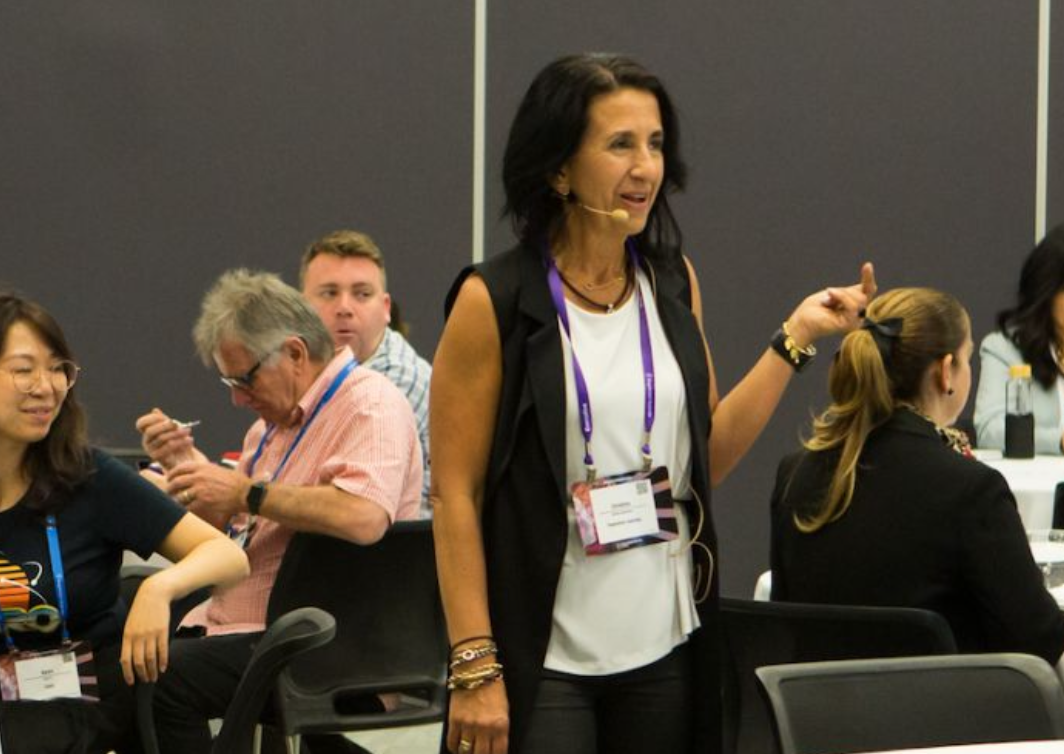
That we have been navigating failure in the wrong ways for most of history. That failure is the curriculum. That failure is inevitable if we want success. That the rate of failure should be increased so that success is easier to achieve.
Intentional failure isn't 'failure'; it's sabotage. Not doing what you need to be doing isn't failure; it's procrastination. Which is usually fear. That "fail fast" and "fail forward" are rhetoric, and that psychological safety to fail exists in very few organisations. Every business and corporation needs a failure strategy to accompany their innovation strategy, which should be embedded in their business strategy. And ratified and supported by the executive and by the board.
When did Christina Gerakiteys first realize she was a writer?
Christina first showed the instincts of a writer in first class, when she wrote a book and got a friend to illustrate it — a thread that ran through debating, speeches, poetry, songs, and journals well before she ever thought of writing as a career.
In first class. I wrote a book. I got a friend to illustrate it. I still have it. I have always loved words. I was on the debating team at school and was often chosen in primary and high school to give speeches at major events. I remember being asked to write the ANZAC Day address for combined high schools. I said no. I was a pacifist and an idealist (I still am), and I didn't like anything that 'celebrated' war or the taking of innocent lives. My teacher encouraged me to see the task as a challenge. So I did. I still have that speech somewhere.
I wrote poetry. I wrote songs. I wrote journals. One of the careers I considered was being a journalist. Now I write programs. And I write every week on LinkedIn.
What did Christina Gerakiteys discover about herself while writing this book?
Christina discovered that writing the book pulled her own experiences into focus in a way that personal development work alone had not — revealing, across two chapters, that the failures in her life were the stepping stones to her successes.
My own stories of success and failure came together because of the book. Not because I had previously considered them successes and failures. It turned into two chapters: A Girl's Perspective on Failure and From Chaos to Surrender. In defining failure, experiences came flashing back. I have always been big on personal development, and these were things that kept coming up. Until I was writing the book, these events were simply life experiences. I could truly see that the failures in my life were the stepping stones to the successes in my life.
What is Christina Gerakiteys's one-year goal?
Christina's stated goal for the next twelve months is to begin writing her next book, the Achievers' Dilemma: an Upward Spiral Innovation Strategy, which she has fully planned but has not yet started.
Celebrating Success One Failure at a Time is part of a bigger idea — the Achievers' Dilemma; an Upward Spiral Innovation Strategy. I keep putting off starting the writing process. I have the plan — the book will be in four sections. I know the sections. I know what each section will hold — information, tools, interviews. I need to write it. I am trying to get a publishing deal that will make the process 'easier'.
Thank you so much for sharing your story with us, Christina!
Frequently Asked Questions about Christina Gerakiteys
What is Christina Gerakiteys's main argument about failure in business?
Having spent years running innovation bootcamps and events for hundreds of startups across Australia, my view is that we have been navigating failure in the wrong ways for most of history. Failure is the curriculum — it is inevitable if we want success, and the rate of failure should actually be increased so that success becomes easier to achieve. I draw a clear distinction between genuine failure, intentional failure (which is really sabotage), and procrastination (which is usually fear). The phrase "fail fast" sounds compelling, but psychological safety to fail genuinely exists in very few organisations. My core argument is that every business and corporation needs a formal failure strategy sitting alongside their innovation strategy, ratified at the executive and board level.
What inspired Christina Gerakiteys to write Celebrating Success One Failure at a Time?
After years of working with, interviewing, and running bootcamps for hundreds of startups and small businesses, I kept feeling a persistent niggle that most of these stories needed to be told. The lessons locked inside those entrepreneurs' experiences could save other entrepreneurs hours and hours of heartache. I also helped start one of the first innovation departments in Australia and co-wrote what was one of the first Creativity, Entrepreneurship and Innovation courses in the country. The book was never planned as a standalone project — it was the natural result of that accumulated experience. Once I decided to write it, I realised the stories were already there; I just needed to put them together.
What personal discoveries did Christina Gerakiteys make while writing her book?
Writing the book did something unexpected — it brought my own stories of success and failure into focus in a way that years of personal development work had not managed to do. The process resulted in two chapters that I hadn't anticipated: A Girl's Perspective on Failure and From Chaos to Surrender. As I worked through defining failure, experiences came flashing back that I had previously thought of simply as life events. I could finally see, clearly and specifically, that the failures in my life were the stepping stones to the successes in my life. That shift in perspective was the most surprising thing the writing process gave me.
How did Christina Gerakiteys become interested in innovation and entrepreneurship?
Starting one of the first innovation departments in Australia was a pivotal moment — it put me at the centre of a world of entrepreneurs, innovators, and people who were willing to try things that hadn't been tried before. I went on to run innovation events and an innovation festival for many years, and with two other committed colleagues, co-wrote what was one of the first Creativity, Entrepreneurship and Innovation courses in Australia. I have always been drawn to the stories behind the ideas — the messy, human, instructive stories that rarely make it into formal business education. Running bootcamps for hundreds of startups gave me a front-row seat to what actually happens when people build something from nothing, and that insight is what I try to pass on.
What is Christina Gerakiteys's next book project?
My next book is connected to a bigger idea I call the Achievers' Dilemma: an Upward Spiral Innovation Strategy. I have the full plan in place — the book will be in four sections, and I know what each section will hold, including information, tools, and interviews. The honest truth is that I keep putting off starting the writing process, and I am currently trying to secure a publishing deal that will make that process easier. Celebrating Success One Failure at a Time was always intended as part of this larger framework, not a standalone work. Getting the next book written is the goal I am holding myself accountable to.
What is Christina Gerakiteys's earliest memory of being a writer?
As far back as first class, I wrote a book and got a friend to illustrate it — and I still have it. Words have always mattered to me: I was on the debating team at school and was regularly chosen to give speeches at major events. When I was asked to write the ANZAC Day address for combined high schools, I said no — I was a pacifist and an idealist, and I didn't like anything that 'celebrated' war or the taking of innocent lives. My teacher encouraged me to see the task as a challenge, and so I did it; I still have that speech somewhere. I wrote poetry, songs, and journals throughout my younger years, and seriously considered a career in journalism. Today I write programs for the entrepreneurs and innovators I work with, and I publish on LinkedIn every single week. The compulsion to write has never really left.