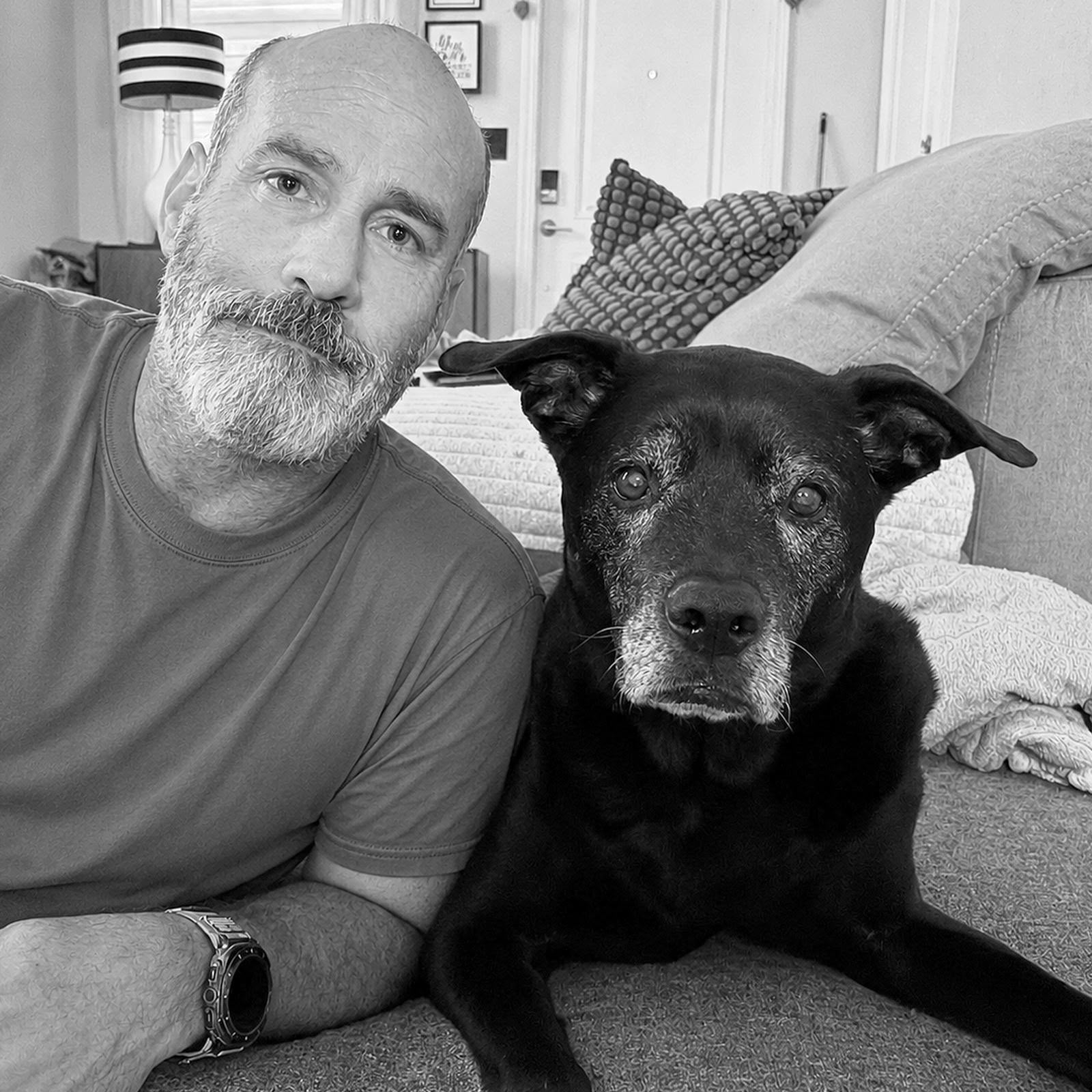
Frank Hayes
Frank Hayes is a writer and contractor who builds houses by trade and works through questions that won't leave him alone on the page. His Substack publication, Thoughtful Questions (hazesilver.substack.com), grew essay by essay from the same process: a sentence that survives the drive, shaped without losing the thought. His hardest-won insight is that the writing is finished when the question is honest, not when the ending looks good.
From the cab of a truck somewhere between job sites and West Palm to a finished essay that makes a stranger say they are not alone in the world, Frank Hayes moves between two kinds of making, and finds that neither one is separate from the other. In this interview with Powerful Blueprints, Frank talks candidly about ADHD, dyslexia, the writers who got inside his sentences, and how a question that won't quit becomes something worth reading.
When did Frank Hayes first realize he was a writer?
Frank realized he was a writer not when he decided to become one, but the first time a finished piece survived long enough to stay on the page, made possible after he found a way to get his thoughts through his hands despite ADHD and dyslexia.
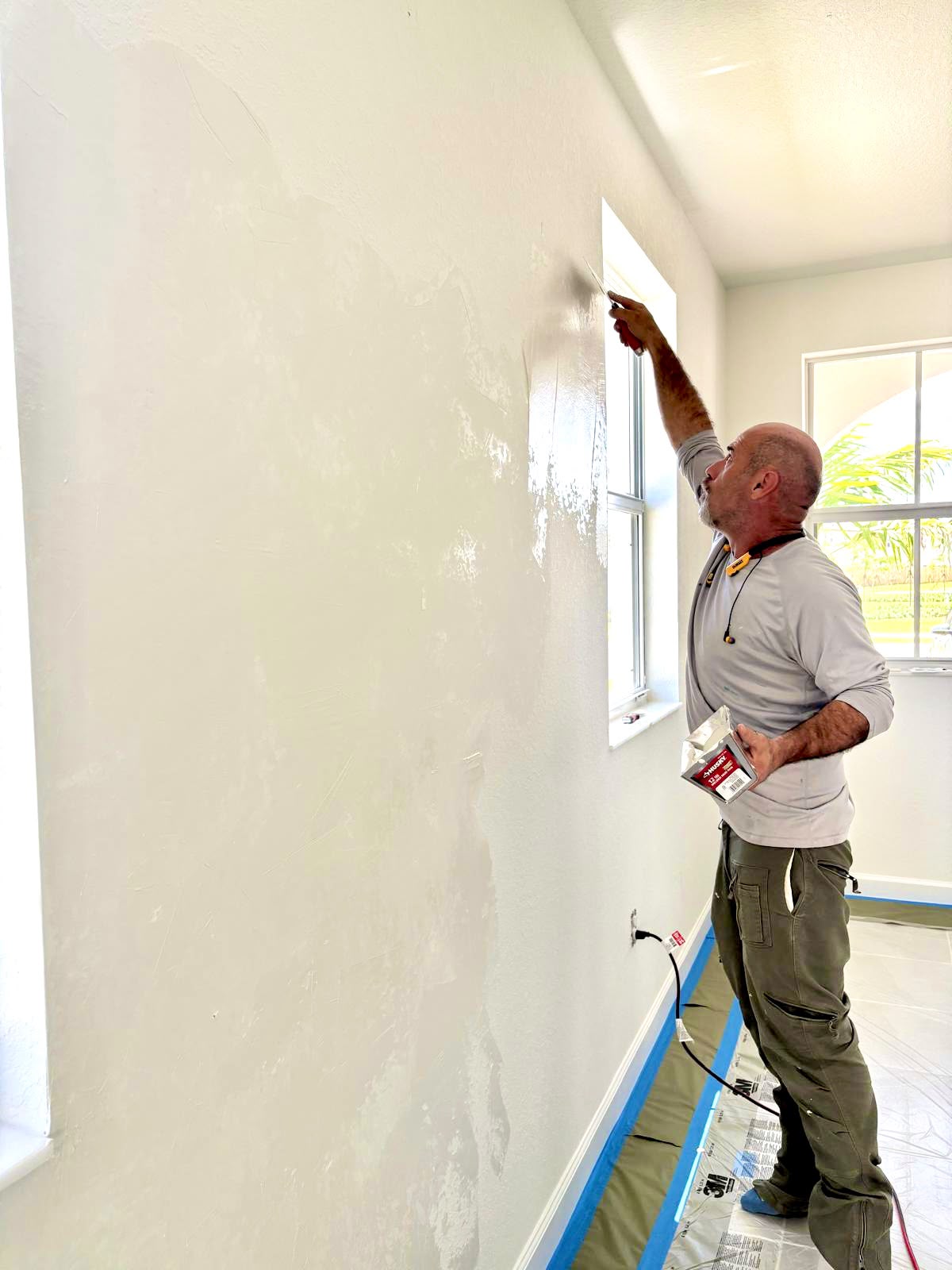
I did not realize it when I decided to "become a writer." I realized it when the sentence finally survived long enough to stay on the page.
ADHD and dyslexia made writing feel like a fight with the keyboard. I would get a thought whole in my head. Then I would stop in the middle of a word. Try to spell it. Try four or five times. Fight autocorrect. By the time the word looked right, the rest of the sentence was gone. Sometimes the whole paragraph. Dyslexia is a cruel word for a cruel thing. The idea was never the problem. Getting it through my hands was.
When I started using AI to organize what I was already thinking, the thought stopped dying in the spelling. I could talk, catch it, shape it, and still recognize it as mine. That was the first time I looked at a finished piece and thought, holy shit. I might be a writer.
I still do not walk around with that as my first name. I build houses. The writing is what happens when the question has somewhere to land before it disappears.
What was Frank Hayes really trying to work out when he started writing?
Frank started writing to stay with questions he could not leave alone, and discovered that the page let him do that without interruption, until strangers wrote back to say they felt the same thing.
I was trying to work out questions I could not leave alone. Not small ones. The kind that sit in the truck after a twelve-hour day and do not care that you have work in the morning.
I found out that writing through them did more for me than talking to a therapist. I am not saying therapy is useless. I am saying that for me, the page did not interrupt. It did not tidy the question. It let me stay with it until something true showed up.
The surprise was not that I got answers. The surprise was other people.
Someone writes back and says they feel that too. They cannot believe they are not the only one. That they are not alone in the world. I did not start writing to give that to anybody. When it happens, it is the most freeing part of the whole thing. The question stops being a private loop and becomes a room two people can stand in.
I still do not write like I have it figured out. I write because the question is there, and because once in a while a stranger says it is theirs too.
How does Frank Hayes actually make his work, from first instinct to finished draft?
Frank's process begins not with a chapter title but with a question he cannot drop, and most of the making looks nothing like writing: it looks like twelve-hour workdays, drives, talking out loud, and texting himself lines before they vanish.
It does not start as a book or article. It starts as a question I cannot drop.
Someone says something. A reader answers an essay. I am in the truck, two hours toward West Palm, and the same sentence is still sitting there. That is the first instinct. Not a chapter title. A thing I cannot leave alone.
Most of the making looks nothing like writing. It looks like work. Twelve-hour days. Paint. Clients. Coffee. The drive. Talking out loud. Texting myself a line so it does not vanish. ADHD and dyslexia make the keyboard a trap. I can have the whole thought in my head and lose it in the middle of one word. Four or five tries to spell it. Autocorrect. By then the paragraph is gone.
The part that looks like writing comes after that. I get the thought down however I can, talking, notes, a messy draft. Then I use tools to help me organize what I already think, not to invent the thought. Then I write the first answer I actually believe. Then I go looking for what that answer cannot hold. Then I turn the question back on myself. If I land somewhere, it is temporary.
Thoughtful Questions is built that way. Essay by essay. If there is a longer piece in my hands, it is the same process with more rooms. The draft is finished when the question is honest, not when the ending looks good.
What does Frank Hayes's writing environment look like before the words will come?
Frank does most of his writing in the cab of his truck while driving, finding that the road frees the part of his brain that can write, and he keeps a specific drink on hand that replaced his Coke habit.
Ninety percent of the time it starts in the truck.
Morning. Night. Whenever I am driving. The road takes one part of my brain, and that frees the part that can actually write. I do not need extra stimulation for it. I talk the sentence into the phone. Then I have it read back to me. If it still sounds like me, it stays.
I keep a half-gallon thermos in the cab. Water with creatine, fiber, amino acids, and electrolytes. About thirty calories. Sweet enough that I stopped drinking Coke. That is the drink.
The house does not kill it. People talking to me does. If I cannot put my attention on the sentence, it is gone. Driving gives me that attention without asking me to sit still and perform.
Who got inside Frank Hayes's sentences and stayed there, and how did he find his own voice?
Frank cites George Carlin and Hunter S. Thompson as the writers who shaped his early sense of permission, and found his own quieter voice by stepping away from their rhythm and telling only the truth he actually had.
George Carlin and Hunter S. Thompson.
I am not a comedian and I am not a journalist. I just loved how they could tell you the truth and hit you with it at the same time. Not cute. Not padded. They would say the thing other people danced around. That permission got inside the sentences. For a while I thought good writing had to sound like a slap.
It does not.
If I try to write like them, I sound like I am performing anger I did not earn. My work is quieter than that. Skeptical, not cruel. A question I cannot drop, not a punchline. I found my own voice when I stopped trying to smack the reader and just told the truth I actually had.
They stayed in the room as a standard: do not lie to be liked. The voice that made it onto the page is mine when I leave their rhythm alone.
Thank you so much for sharing your story with us, Frank.
Frequently Asked Questions about Frank Hayes
How did Frank Hayes learn to write with ADHD and dyslexia?
As someone who builds houses for a living, writing was never supposed to be the thing I did, but the questions kept coming anyway. ADHD and dyslexia made the keyboard a fight: I would have the whole thought in my head and lose it in the middle of one word, four or five spelling attempts in, autocorrect eating the rest. The breakthrough came when I started using AI to organize what I was already thinking, not to invent the thought. The thought stopped dying in the spelling. I could talk, catch it, shape it, and still recognize it as mine, and that was the first time I looked at something finished and thought I might actually be a writer.
What is Frank Hayes's Substack Thoughtful Questions about?
At its core, Thoughtful Questions is built from questions I could not leave alone, the kind that sit in the truck after a twelve-hour day and do not care that you have work in the morning. Each essay grew from the same process: a sentence that would not quit, worked through until something true showed up. What surprised me was not that I found answers, but that strangers wrote back to say the question was theirs too. It is finished, essay by essay, when the question is honest, not when the ending looks good. You can read it at hazesilver.substack.com.
What is Frank Hayes's writing process and where does he do his best work?
After years of losing sentences to the keyboard, I found that the best place to write is behind the wheel. The road takes one part of my brain, and that frees the part that can actually work a thought through. I talk the sentence into the phone, have it read back to me, and if it still sounds like me, it stays. People talking to me kills it; sitting still and performing kills it. Driving gives me the attention I need without any of that pressure.
Who are Frank Hayes's biggest literary influences?
The two writers who got inside my sentences and stayed there are George Carlin and Hunter S. Thompson. What I loved was how they told you the truth and hit you with it at the same time, not cute, not padded, just the thing other people danced around. For a while I thought good writing had to sound like a slap, and when I tried to write like them I sounded like I was performing anger I did not earn. They stayed in the room as a standard, do not lie to be liked, but the voice on the page became mine when I left their rhythm alone and told only the truth I actually had.
What does Frank Hayes say about the relationship between writing and therapy?
I found that writing through the hard questions did more for me than talking to a therapist, not because therapy is useless, but because the page does not interrupt. It does not tidy the question. It lets me stay with it until something true shows up. The surprise was never that I got answers; it was that other people recognized the question as their own. When a stranger writes back and says they are not alone in the world, the question stops being a private loop and becomes a room two people can stand in.
What is Frank Hayes's morning drink and daily routine before writing?
As a contractor who spends long stretches on the road between job sites, my routine is built around the truck, not a desk. I keep a half-gallon thermos in the cab: water with creatine, fiber, amino acids, and electrolytes, about thirty calories, sweet enough that I stopped drinking Coke. That is the drink. Morning, night, whenever I am driving, the road takes one part of my brain and frees the part that can actually write. The writing is what happens when the question has somewhere to land before it disappears.