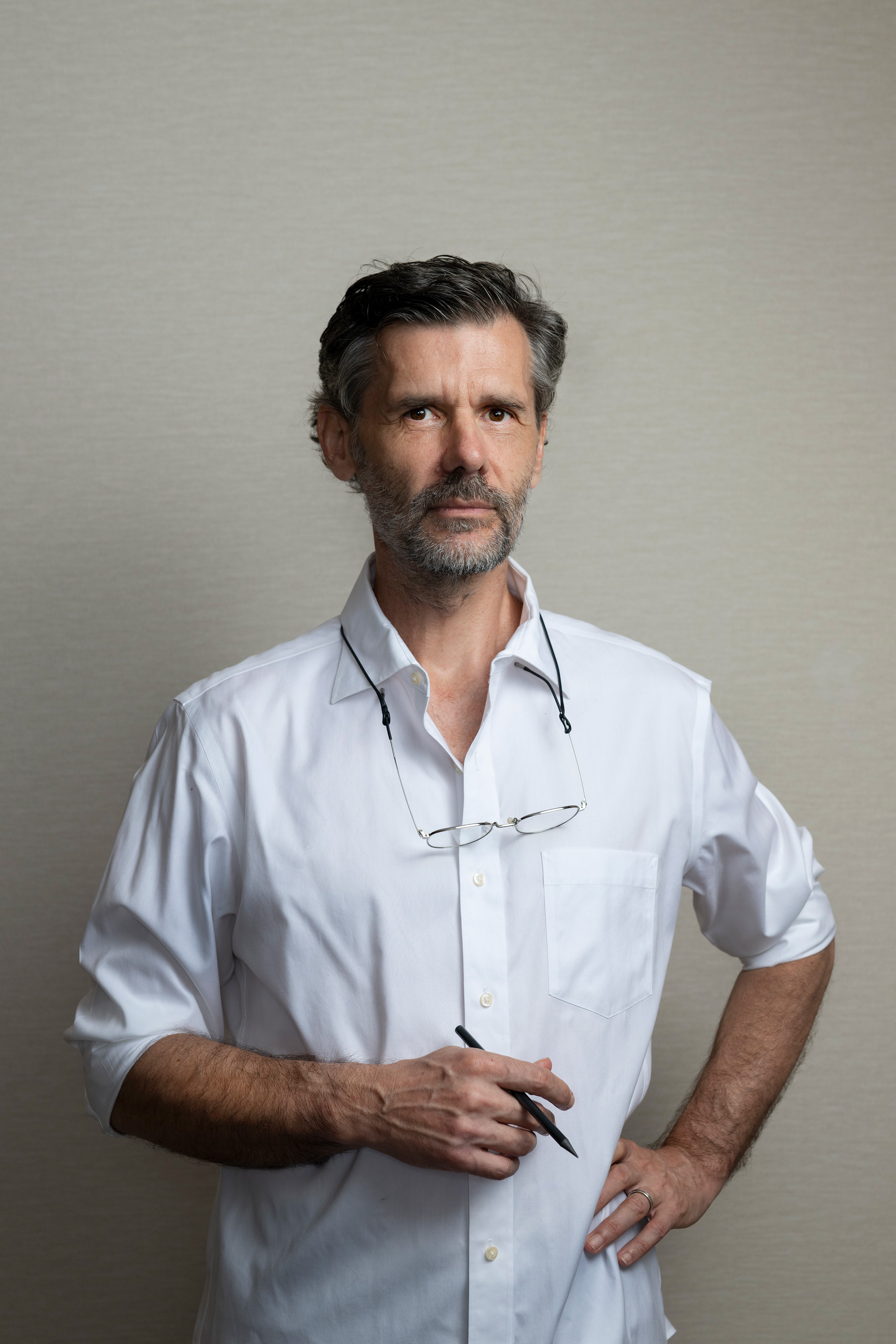
Gregory Moulinet
Gregory Moulinet is a designer, author, and senior lecturer whose debut speculative fiction novel grew out of a lifelong desire to make design theory vivid and tangible for his students. His hardest-won lesson: commit to a story only once you have a truly great ending, because getting the ending right before writing the first word is what separates a finished book from an abandoned one.
From two unfinished manuscripts abandoned decades ago for want of a satisfying ending, to a debut novel that grew into a two-book series — and now a third — Gregory Moulinet's path to publication is a story about patience, structural thinking, and the particular discipline of a designer who also teaches. In this interview with Powerful Blueprints, Gregory talks candidly about the real reason he wrote his novel, what beta readers taught him about his own instincts, and why he is now building a cinematic audiobook from the inside out. Good morning, Gregory!
When did Gregory Moulinet first realize he was a writer?
Gregory came to writing not through ambition but through necessity, identifying primarily as a designer who eventually decided a book had to be written — and chose speculative fiction as the form that could carry both storytelling and education at once.
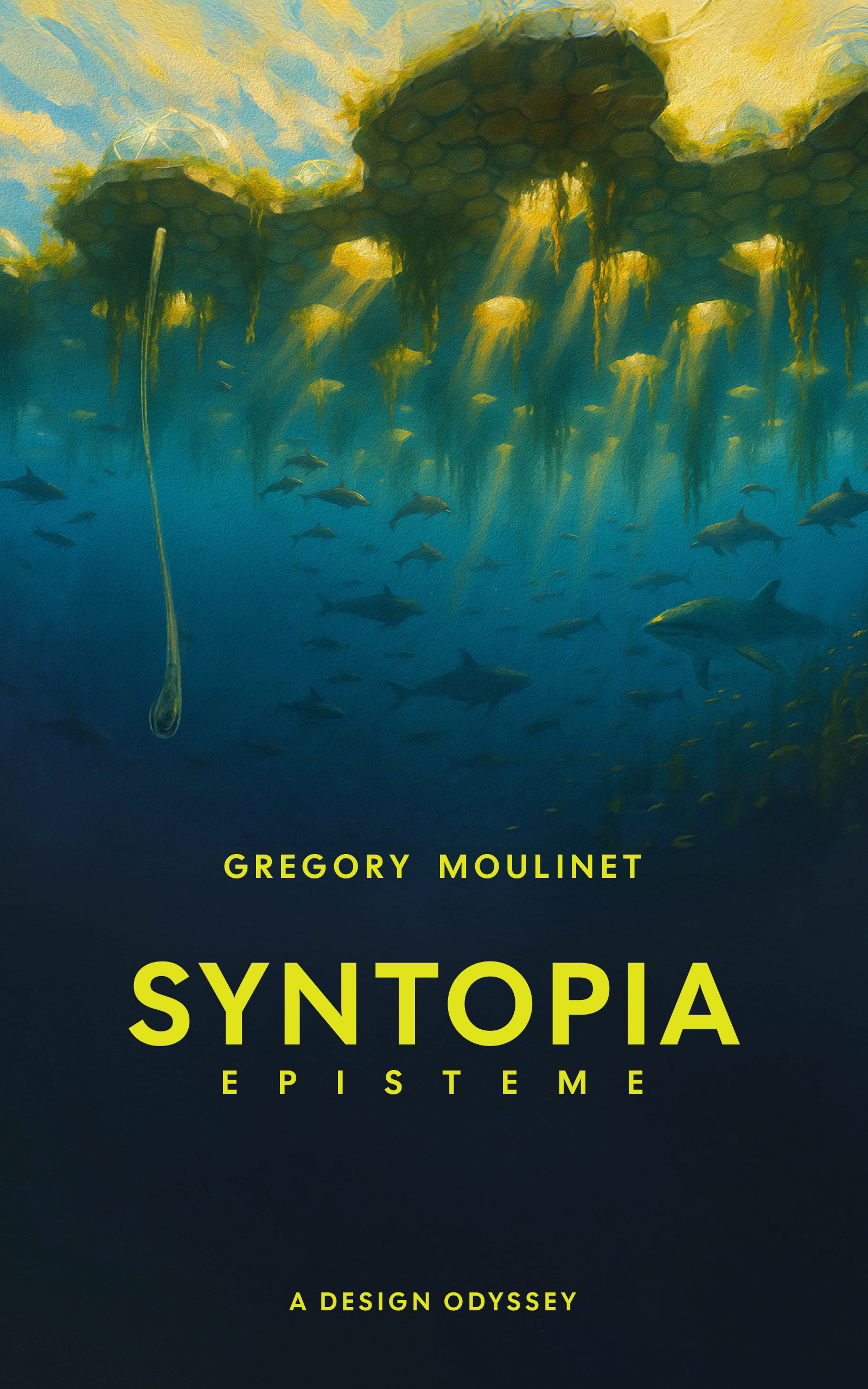
I identify primarily as a designer. Yes, I am a writer in many different ways before I wrote a book. So I didn't decide to be a writer, and it has never been a goal... However, I decided at one point I needed to write a book... And writing a book was definitely on my bucket list. What kind of book? For a long time, I oscillated between fiction and non-fiction because I also identify as a teacher and wanted my book to be "educational" in some way. I ended up writing a speculative fiction.
What was Gregory Moulinet really trying to work out when he started writing?
Gregory set out to write a book that would make design theory concrete and emotionally resonant for his students, while also aiming for the rarer quality of a story that feels impossible to put down.
The goal all along was to write a book for my design students to make design theory and general abstractions more vivid and tangible. But yes, when it comes down to putting pen to paper, you just want to write a good book... The kind you cannot put down, the one you recall from your childhood that made you dream, that made you wonder, that made you, perhaps, emotional, and also the one, at least in my case, that made you feel that you learned something important.

How does Gregory Moulinet actually make a book — from first instinct to finished draft?
Gregory's process begins not with the opening line but with the ending, and he will not commit to writing a single word until he has an ending strong enough to overturn a reader's assumptions entirely.
Before writing my debut novel, I had already attempted to write two books twenty-something years ago. In each case, I had a good concept and some interesting cinematic situations... But no ending. When the desire to write a book was burning again in me, I decided that I would commit to the journey only if I had a really good ending... Something that would turn upside down a reader's mind and be deeply meaningful not just emotional. I got a truly interesting ending idea after about two months of percolation. At that point, when I started writing, I knew exactly what I had to do and how to get there. To me, this is key. Get your ending right before writing the first word.
What surprised Gregory most during the writing of his debut novel?
Gregory discovered early on that the work was genuinely good — a feeling he had never experienced in two previous attempts — and that trusted beta readers confirmed this independently, giving him the confidence to commit fully to his chosen style.
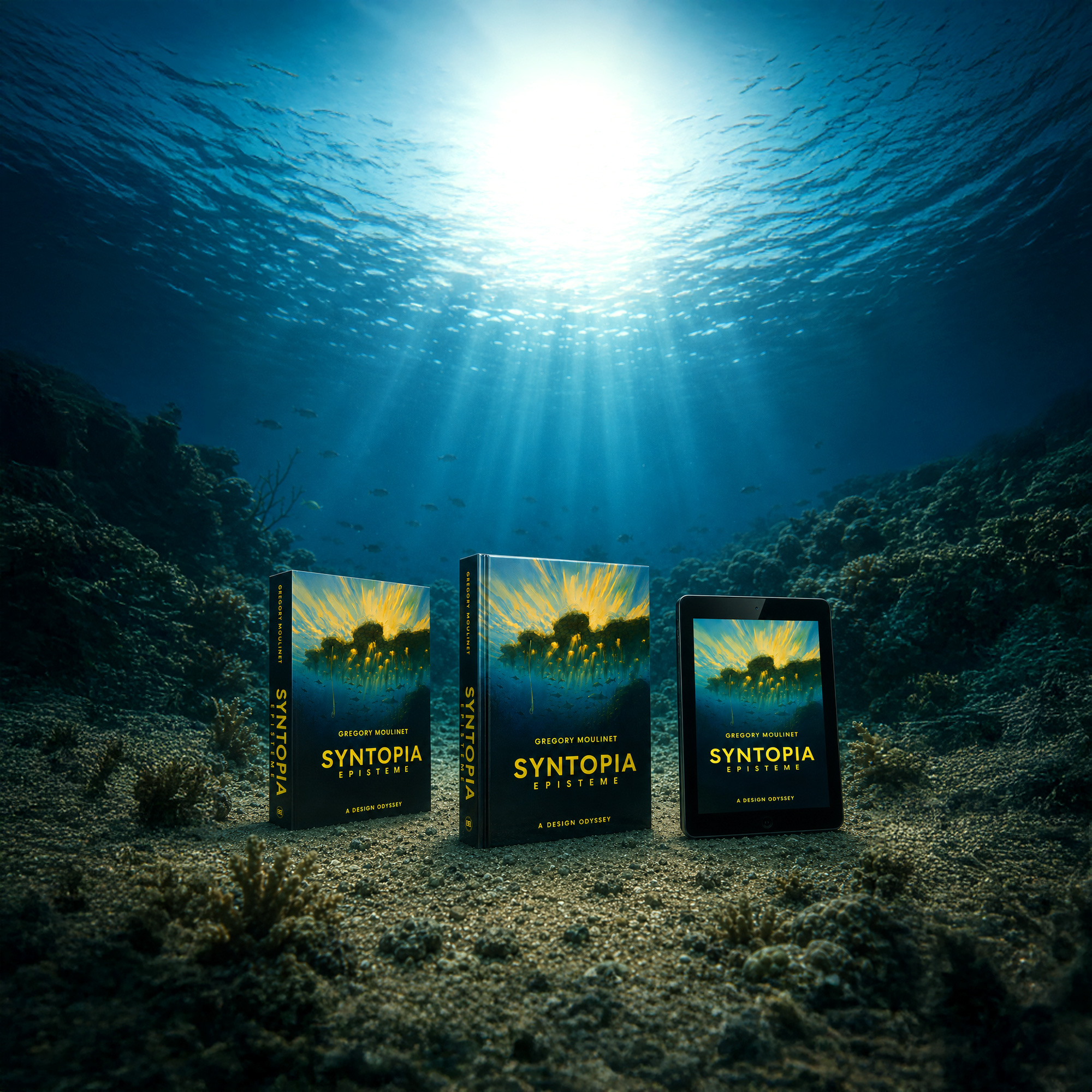
As I re-read my first few chapters several times, I felt it was good. I never had this impression, remembering my first two attempts. So I asked several friends to beta-read what I have written so far and give me their honest impressions. Their feedback was more than positive, and they told me what they appreciated the most. It was not just my own feelings... I knew, at that point, I was doing it right, and it gave me the confidence to continue in my chosen style.
What lessons took Gregory the longest to learn as a writer?
Gregory's original manuscript ran to more than 800 pages across three parts, and it was only through beta reader feedback that he recognized it contained two separate books — a discovery that reshaped the entire project and led directly to a second volume, with a third now underway.
My initial novel was 800+ pages in 3 parts. I gave it to beta-read to trusted friends, and they all told me I had at least 2 books there. I followed their advice. Edited out the equivalent of about 200+ pages and ended up with 2 books. I am now writing a third one.
What is the message behind Gregory Moulinet's book that never quite makes it onto the page?
Gregory describes his novel's deepest theme as a response to a world in serious trouble — and his protagonist's determination to survive it ethically, alongside her community, is the answer he offers in place of despair.
That our world is truly f*cked, but at least my protagonist is doing everything to survive it with her community in the best and most ethical way possible.
What has Gregory been listening to while he works?
Gregory is currently deep in production on a cinematic audiobook version of his novel, spending his days listening to his own text performed by a combination of AI-designed voices and real human voices.
I am making the cinematic audiobook version of my novel. All day long, I listen to my own text being said by AI-designed voices and real voices combined.
What is Gregory Moulinet's one-year goal?
Gregory's stated goal for the next twelve months is to have a meaningful volume of books sold, a cinematic audiobook released, a second book published, and French and possibly Chinese translations available.
In one year, I expect to have a respectable amount of (e)books being sold and read, a cinematic audiobook out there, a second book published, and a French (maybe Chinese as well) version on shelves.
Thank you so much for sharing your story with us, Gregory.
Frequently Asked Questions about Gregory Moulinet
Who is Gregory Moulinet and what does he write?
As someone who identifies primarily as a designer and teacher rather than a lifelong literary writer, my path to fiction was driven by a specific professional goal: I wanted to write something that would make design theory and abstract concepts vivid and tangible for my students. The form I chose was speculative fiction, which gave me the freedom to build a world where those ideas could live inside a story that readers genuinely could not put down. My debut novel grew from that ambition, and what began as a single manuscript eventually became a two-book series, with a third now in progress. The work sits at the intersection of storytelling, design thinking, and what I would call ethical survival — how people and communities navigate a world under serious strain.
What is Gregory Moulinet's most important piece of advice for first-time novelists?
After two failed attempts at writing books in my earlier years — both of which fell apart because I had strong concepts and cinematic scenes but no satisfying ending — my most important lesson is this: get your ending right before writing the first word. I spent about two months letting the idea percolate until I arrived at an ending that would genuinely turn a reader's mind upside down and be deeply meaningful, not just emotional. Only once I had that did I commit to writing. That decision changed everything; for the first time, I knew exactly what I had to do and how to get there. Without a strong ending as your anchor, the journey is almost impossible to complete.
How did Gregory Moulinet's debut novel go from one book to two?
When I completed my initial draft, it ran to more than 800 pages across three parts — a scale I had not planned for but followed wherever the story led. I gave it to trusted friends to beta-read, and every one of them told me the same thing: there were at least two books in there. I followed their advice, edited out the equivalent of more than 200 pages, and restructured what remained into two separate volumes. That process taught me that trusted readers are not just validators — they are structural editors who can see what you are too close to see yourself. I am now writing a third book in the series.
What is Gregory Moulinet's process for knowing when his writing is working?
Having failed twice before to get past the early stages of a novel, I developed a healthy distrust of my own enthusiasm — so I built external checkpoints into the process from the start. When I re-read my first few chapters and felt they were genuinely good, I did not trust that feeling alone; I sent them to several friends and asked for honest impressions. Their feedback was more than positive, and they identified specifically what they appreciated, which meant I could distinguish between general encouragement and real engagement. That external confirmation — arriving independently of my own feeling — told me I was doing it right and gave me the confidence to stay in my chosen style. I would not have continued the same way without it.
What is Gregory Moulinet's current creative project outside of writing?
Beyond finishing a third novel and preparing translations of my work into French and possibly Chinese, I am currently deep in the production of a cinematic audiobook version of my novel. The process is immersive in a way that is quite different from writing: all day long, I listen to my own text being performed by a combination of AI-designed voices and real human voices. It is essentially a new medium — something between an audiobook and a film — and working on it has meant spending my days inside the world of the story from a completely different angle. It is one of the goals I am holding myself accountable to delivering within the next twelve months.
What is the central theme of Gregory Moulinet's speculative fiction?
At its deepest level, my novel is a response to a world I believe is in serious trouble — that is the honest, unvarnished starting point. But the story I chose to tell is not one of defeat or nihilism; it is about a protagonist who does everything in her power to survive that world alongside her community, in the best and most ethical way possible. The tension between those two things — the scale of what is broken and the determined, moral effort to live well within it anyway — is what drives the narrative. I wanted to write something that felt urgent and real, not escapist, but that still gave readers a reason to care about what happens next.