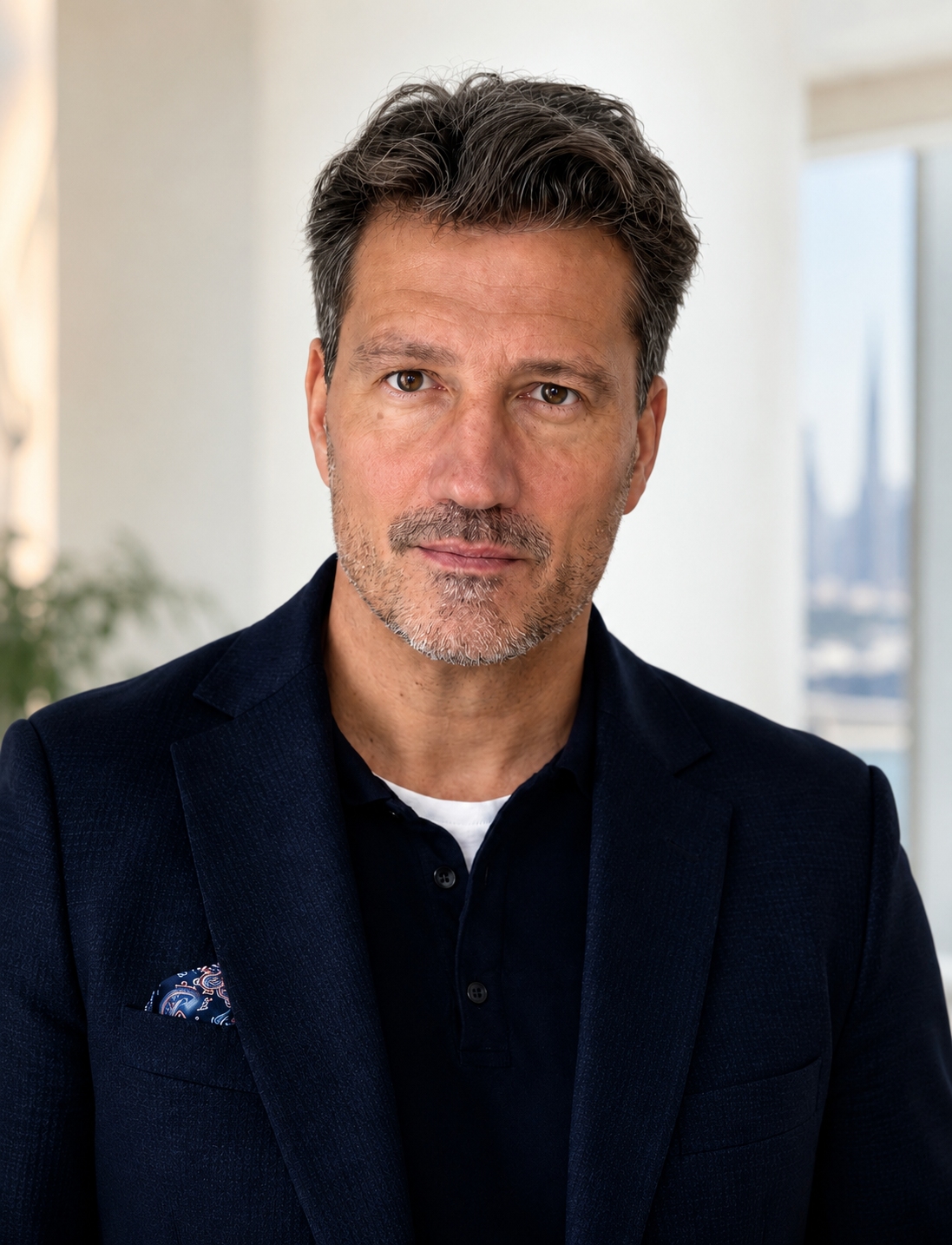
Marc Flohr
Marc Flohr is a principal at Mingenta Family Office and entrepreneur based in Dubai. His hardest-won insight is that intuition is not the opposite of due diligence but a complement to it: spreadsheets can analyse numbers, but they cannot measure the character of the person across the table. Learning to trust that quiet inner voice, he argues, protects far more than money.
From a conversation with a client that permanently expanded his sense of time, to the slow drift of friendships he never consciously chose to lose, Marc Flohr's story moves between the analytical and the deeply human in ways that formal business education rarely prepares anyone for. In this interview with Powerful Blueprints, Marc talks candidly about intuition and bad partners, the triangle of time, knowledge and money, and why the most important startup any young person will ever build is themselves. Good morning, Marc!
What is the first thing a young person building something real should know that no professor ever taught them?
Marc believes the most overlooked startup any aspiring entrepreneur will ever build is not a company but themselves, because ideas rarely fail for lack of quality and most often fail when the person behind them loses health, perspective or the will to keep going.
One of my favourite quotes, often attributed to Jules Verne, is:
"Anything one man can imagine, other men can make real."
Whether he wrote those exact words or not almost doesn't matter. The idea does.
Every company, every invention and every movement that changed the world first existed only in someone's imagination. Someone had the courage to believe in something long before anyone else could see it.
If I were sitting across from a college student, I would tell them not to ask whether an idea is possible. Ask whether it is meaningful enough that you will still be working on it when everyone else has stopped believing. Reality is built by people who carry an idea long enough for the rest of the world to catch up.
But I would also tell them something that universities rarely teach.
Your first startup is not a company. It is yourself.
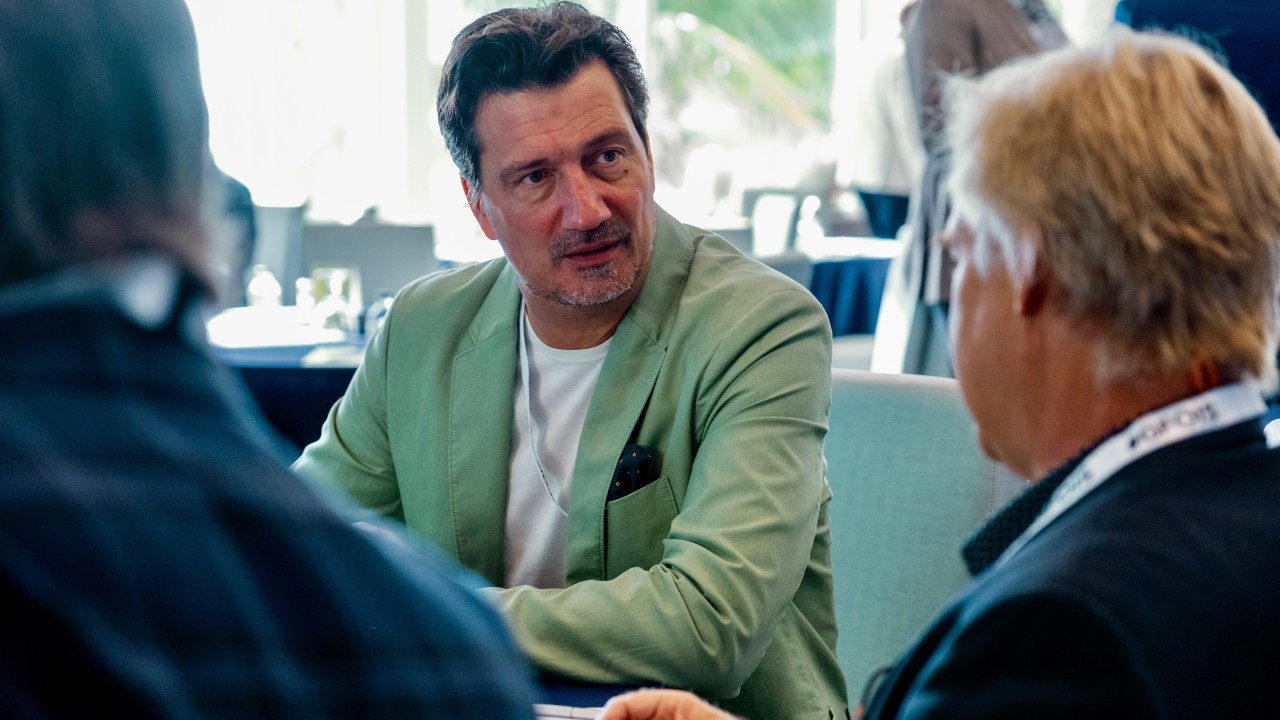
Learn how your mind works. Protect your health. Build resilience before you build a business. We spend years studying finance, engineering, marketing or law, yet almost no time understanding the one asset that determines everything else, ourselves.
Ideas rarely fail because they aren't good enough. More often, they fail because the people behind them lose their health, lose perspective, stop learning or simply give up.
Success is rarely limited by intelligence. More often, it is limited by mindset, health and the quality of the people around you.
Invest in those first. Everything else becomes much easier to build.
What was the worst professional decision you ever made, and what did it teach you about yourself?
Marc entered a business deal that passed every legal and financial check, then watched it fail because no adviser had evaluated the character of the person on the other side of the table, a loss that taught him to treat intuition as a permanent complement to due diligence rather than a rival to it.
About twenty years ago, I entered into what looked like an exceptional business opportunity. The numbers made sense, the legal structure was sound, the tax advisors approved it, the lawyers had done their work, and everyone around me gave the green light.
On paper, it was one of the safest decisions I could have made.
But there was one thing that wasn't on paper. A small, persistent feeling in my stomach that something wasn't right.
I remember trying to explain it away. I told myself I was simply nervous because it was a large transaction. I wanted the deal to happen, so I convinced myself that my intuition was just fear.
It wasn't. The one thing none of the advisors had truly evaluated was the character of the person on the other side of the table.
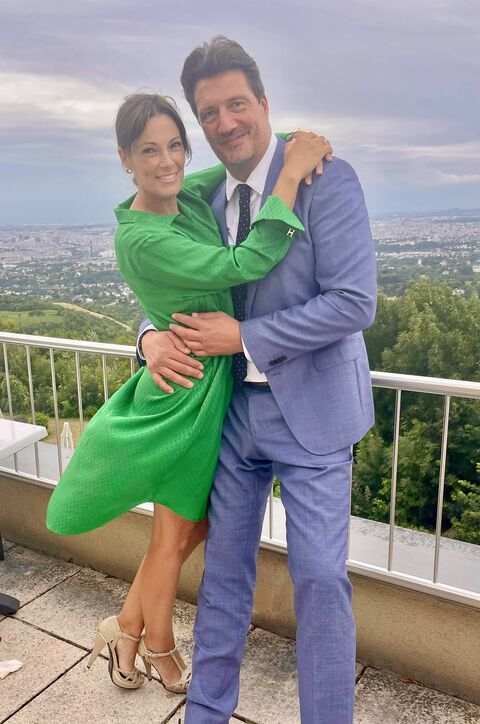
The partnership eventually failed, and I lost a significant amount of money. At the time, it felt devastating. Looking back, however, it became one of the most valuable investments I have ever made, but because of what I learned about myself.
That experience fundamentally changed the way I make decisions. I still believe in facts, analysis and expert advice. I have enormous respect for lawyers, bankers and advisors. But today I know that spreadsheets can analyse numbers; they cannot measure integrity. Contracts can define obligations; they cannot reveal character.
Business is ultimately built by people, not documents.
Since then, I have never ignored that quiet inner voice again. It doesn't replace due diligence, it complements it. Experience has taught me that intuition is often the subconscious recognising patterns long before the conscious mind can explain them.
That lesson has saved me far more than money. It has protected my time, my peace of mind, my relationships and, on more than one occasion, my sanity.
What belief about money turned out to be completely wrong?
Marc held for years that money was something to chase and a measure of success, before coming to see it instead as a natural consequence of doing meaningful work that creates real value for other people.
For many years, I thought money was something you had to chase. Something you had to earn, and somehow a measure of how successful you were.
I see it very differently today.
I have learned that when you spend your time doing something you genuinely love, something you are good at, and, most importantly, something that creates real value for other people, money tends to follow naturally.
That doesn't mean you don't have to work hard, make good decisions or take risks. But money itself should not be the reason you do it.
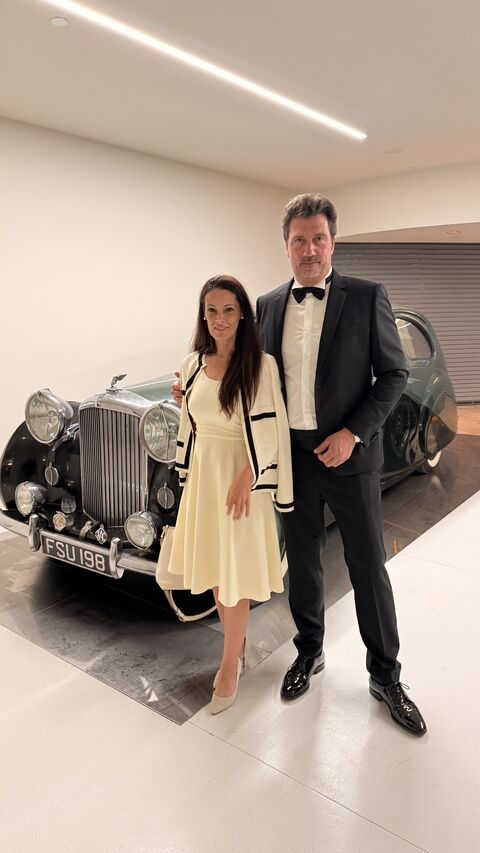
Today, I ask myself much more: Do I enjoy spending my time on this? Does it make sense? Does it create something valuable for others? If those things come together, the financial side usually finds its place.
Money matters because it gives you freedom and choices. But I no longer see it as the destination.
For me, it has become much more a consequence of doing the right things, with the right people, for reasons that go beyond yourself.
Who is the one person who actually changed the way your mind works?
Marc's thinking was fundamentally altered around age 25 by a wealthy client who chose to invest on a 100-year horizon, teaching Marc that the timescale on which you evaluate a decision changes its entire quality.
Almost 30 years ago, when I was around 25, I had a very wealthy Israeli family as a client. They wanted to make a substantial investment in German real estate, and I suggested Berlin.
The head of the family told me he wanted to buy big in Görlitz instead, a small city on the German-Polish border.
I thought he was crazy.
Then he explained his reasoning. He wasn't thinking about what would happen to the investment next year, or even in ten years. He said that in 50 or 100 years, Görlitz could effectively be in the centre of Europe. That was the horizon he was investing for, not himself, but the generations after him.
Until then, my world had been dominated by quarterly reports, annual results and the question of what came next. I don't think I had ever seriously considered a 100-year horizon.
That conversation changed something fundamental in the way my mind works.

I started to understand that time changes the quality of a decision. Something that looks ridiculous on a one-year horizon can look entirely rational over 50 years.
I don't even know whether he will ultimately be right about Görlitz. That's almost irrelevant. What stayed with me was learning to ask a completely different question:
"What if I am thinking about this on the wrong timescale?"
What lesson in life took you the longest to finally learn?
Marc spent years trying to resolve every difficult relationship through reason and patience before learning that walking away from a destructive pattern is itself a form of intelligence, not a failure of effort.
One lesson took me embarrassingly long to learn: you cannot solve every relationship by being reasonable.
For years, I believed that if there was a conflict, you could sit down, talk openly, understand each other's perspective and eventually find a way forward. And with most people, I still believe that's true.
But there are people for whom every conversation is about control, every compromise is interpreted as weakness, and every second chance simply becomes another opportunity to repeat the same behaviour. Call it narcissism, ego, manipulation, the label doesn't really matter.
My mistake was thinking that if I just explained myself better, remained fair, or gave it a little more time, something would change.
Usually, I just got the same lesson again.
What finally changed was understanding that walking away is also a decision. You don't have to win every argument, correct every lie or make someone understand your side.
Sometimes the healthiest and most intelligent thing you can do is recognise the pattern, stop participating in it, and move on.
It took me far too many repetitions to learn that one.
What are you listening to lately?
Marc's musical taste spans several decades and resists easy categorisation, moving in a single playlist from classic rock to country to heavy metal to classical without any sense of contradiction.
I have a slightly useless hidden talent: I am a walking encyclopedia of music from the 80s, 90s and 2000s. Play me the first few notes of a song and I can usually tell you the title, the artist, often the album and the year. I have no idea why my brain decided this information was important enough to store forever, but apparently it did.
My taste is also rather difficult to put into one category. Recently, a perfectly normal playlist for me has moved from Dire Straits to The Highwaymen, then AC/DC, and ended with Mozart.
I think good music is good music. I don't particularly care what box it belongs in.
What is Marc's one goal for the next twelve months?
Marc's stated goal for the next twelve months is not to do more but to use his time better, spending it on work that excites him, people he enjoys, and things that have a purpose beyond making money.
Ask me whether I used my time well.
The older I get, the more I realise that time is probably the only thing we are truly spending. Money can come back. Opportunities come and go. Time doesn't.
I'm starting a new chapter with my family in Dubai, I have several businesses and projects I genuinely enjoy, and I am fortunate to meet fascinating people and have opportunities I could never have planned for.
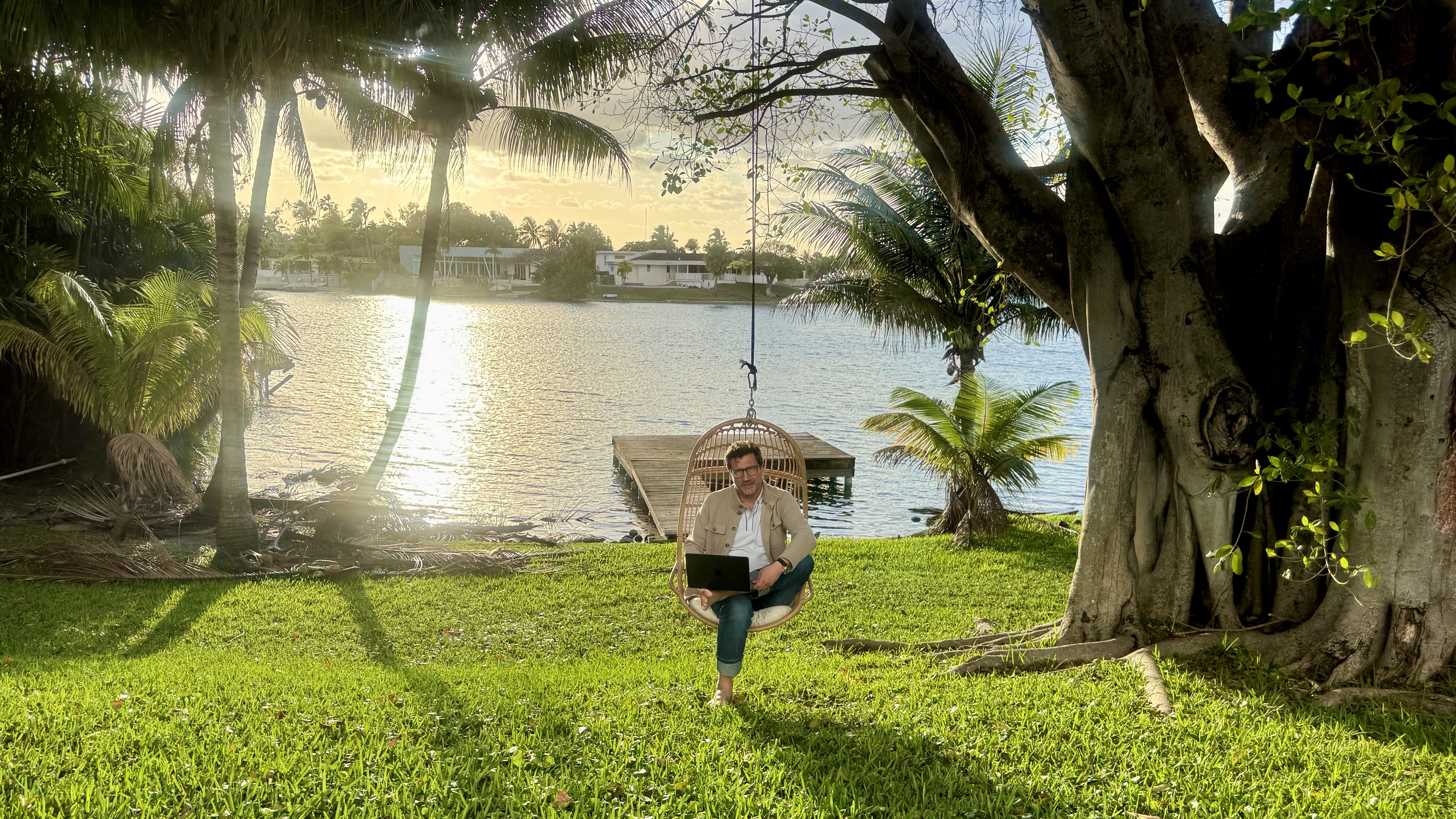
My goal for the next year is not to do more. It is to use my time better.
That means spending it on work that excites me, with people I enjoy and on things that have a purpose beyond simply making money. But it also means having time for my family, travelling, learning, having long dinners with interesting people, and occasionally doing absolutely nothing without feeling guilty about it.
So when you call me in a year, don't ask me how much I achieved.
Ask me: Did you use your time well?
If I can genuinely say yes, it was a good year.
What is the hardest thing you gave up for your career, and was it worth it?
Marc identifies the friendships of his youth as the hardest thing he gave up, not through a conscious choice but as a quiet consequence of building companies early and moving in a different direction from many people he had grown up with.
Probably some of the friendships of my youth.
I started building my companies very young and had quite a lot of success by my mid-twenties. At the same time, many of the people I had grown up with chose completely different lives. One became a carpenter, another travelled the world living largely from day to day, some pursued long academic careers, and sadly, others got lost along the way.
There is no judgement in that. I don't think my path was better. It was simply very different.
But different lives also change people. My economic and political views evolved, my priorities changed, and so did theirs. There was criticism of the life I was building, and probably things about their choices that I no longer understood either. Friendships that had once been incredibly close slowly became less intense, and some disappeared altogether.
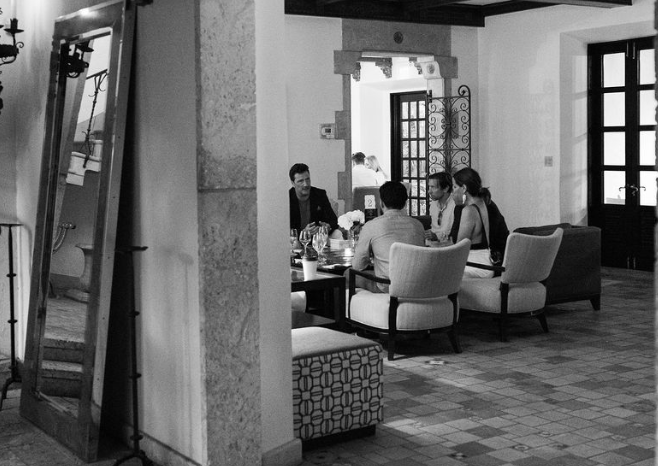
I don't think I consciously gave those friendships up for my career. But looking back, they were certainly part of the price.
Was it worth it? I would choose my path again, so in that sense, yes. But I don't think everything you lose along a path you would choose again suddenly becomes unimportant.
There are people I knew when I was 15 who knew a version of me that nobody I meet today will ever know. And there is something irreplaceable about that.
What did money teach you about yourself that nothing else could?
Marc thinks of life and business as a triangle of time, knowledge and money, and came to understand through experience that money's greatest value is not what it buys but the time and freedom it can return to you.
I often think about life and business as a triangle of three things: time, knowledge and money.
You usually need two to get the third.
When I was young, I had very little money, but I had time and I was hungry to learn. So I used time and knowledge to create money.
Later, I had more money and more knowledge, but suddenly time became the scarce resource. And that taught me something about money that I hadn't understood when I started: its greatest value is not what you can buy with it. It is the time and freedom it can give you.
Today, I am much more willing to use money to buy back time, and much more careful about what and whom I give that time to.
So my relationship with money has almost reversed. When I was young, I spent my time trying to make money. Today, I am much more interested in using money wisely so I can spend my time well.
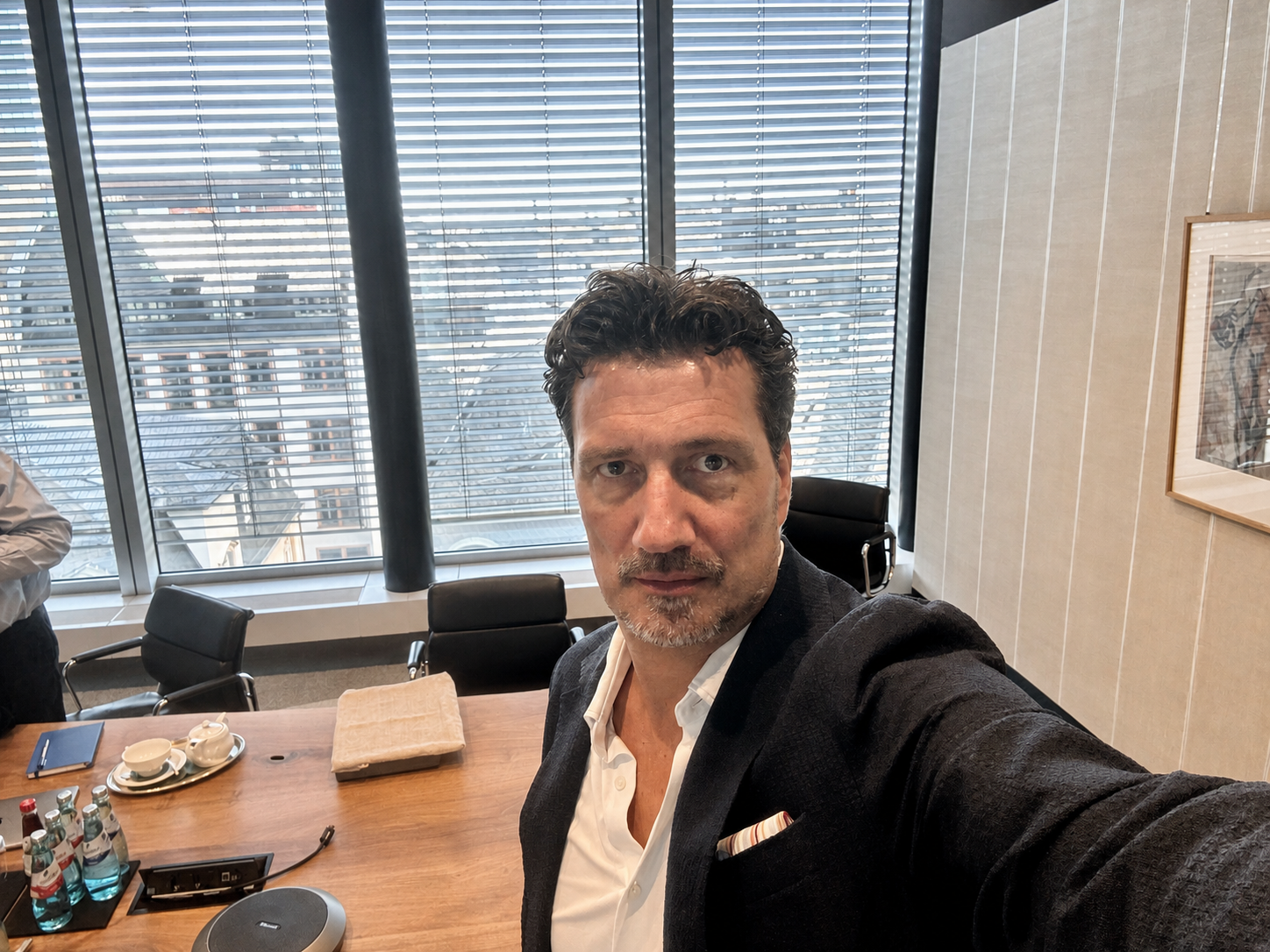
Of the three, time is ultimately the only one you cannot get back.
What is the one daily habit most people in your world would be surprised to know about?
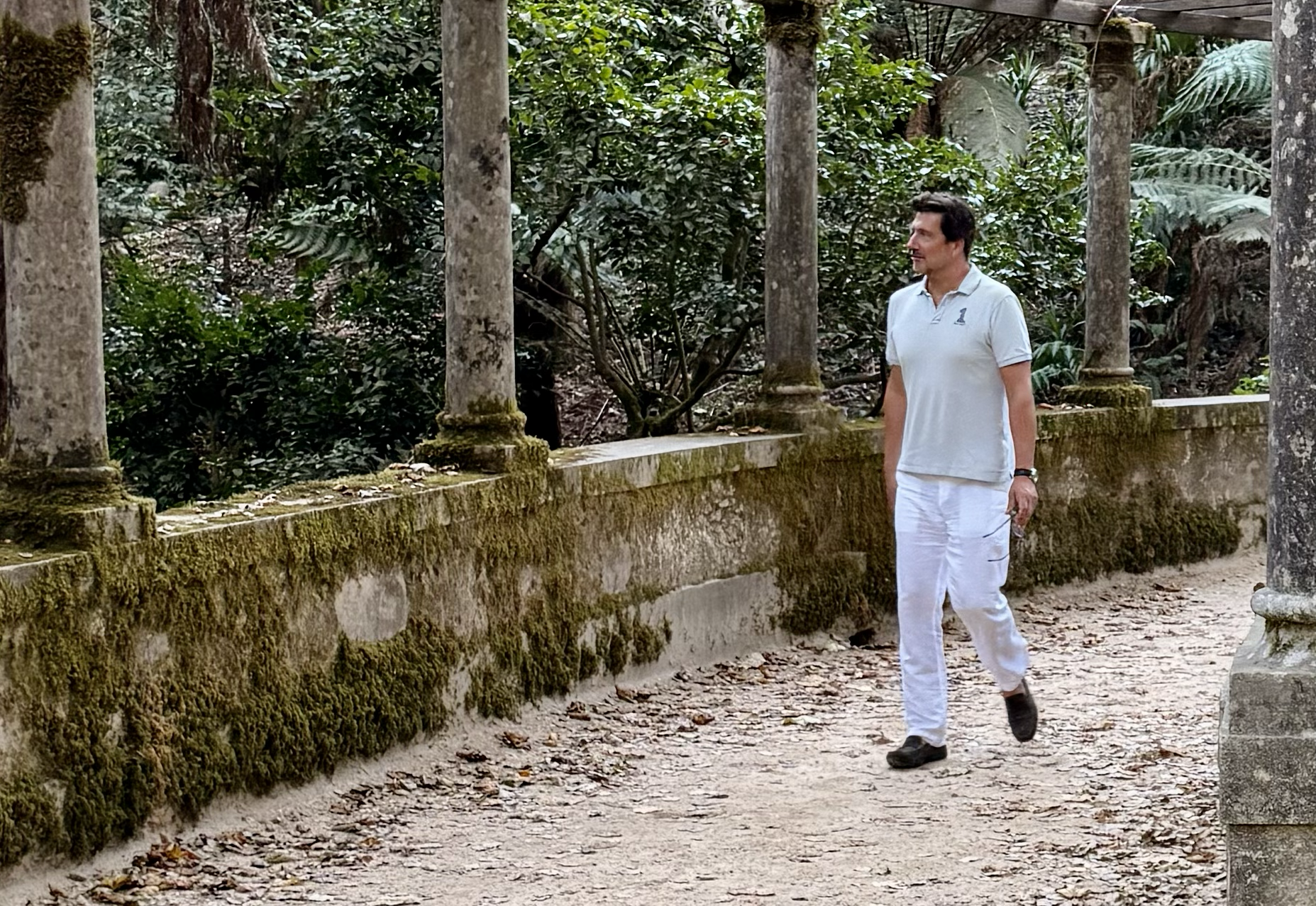
Marc takes a long walk every single day, a practice he considers one of the most productive things he does because it consistently produces his best ideas and decisions in a way that screen-bound work does not.
I take a long walk. Every single day.
Sometimes with my wife, in complete silence or having a good conversation. Sometimes alone, with my AirPods and one of my favourite playlists.
I have always found that walking activates my brain in a completely different way. You are not staring at a screen, not answering emails, not sitting in a meeting trying to solve something. You simply let your mind move.
Some of my best ideas, solutions to problems I had been stuck on, and even important decisions have come while walking without consciously looking for an answer.
In a world where productivity is often measured by how busy you look, walking might appear like doing nothing.
For me, it is probably one of the most productive things I do.
If you had one thing to say to the world that most people aren't saying out loud, what would it be?
Marc's single message to the world is a direct challenge to the idea that success is something to pursue at the expense of the life you are living right now.
Stop chasing success and start today building a life you don't need to escape from.
Thank you so much for sharing your story with us, Marc.
Frequently Asked Questions about Marc Flohr
What is Marc Flohr's approach to making business decisions involving intuition?
After entering a business deal roughly twenty years ago that passed every legal and financial test but still failed because no adviser had evaluated the character of the counterparty, I fundamentally changed how I make decisions. I still believe deeply in facts, analysis and expert advice, but I now treat intuition as a permanent complement to due diligence, never as its opposite. Experience has taught me that intuition is often the subconscious recognising patterns long before the conscious mind can explain them. Spreadsheets can analyse numbers, but they cannot measure integrity, and contracts can define obligations, but they cannot reveal character. That lesson has protected not only my money but my time, my peace of mind and my relationships.
What is Marc Flohr's philosophy on time, money and personal freedom?
Having spent my early career using time and knowledge to create money, I eventually discovered that money's greatest value is not what it buys but the time and freedom it can return to you. I think of life and business as a triangle: time, knowledge and money, and you generally need two to get the third. When I was young, time was my most abundant resource; later, it became the scarcest one. Today I am much more willing to use money to buy back time, and much more careful about what and whom I give that time to. Of the three, time is ultimately the only one you cannot get back.
What does Marc Flohr believe young entrepreneurs most often get wrong?
Having built companies from a very young age, my clearest observation is that ideas rarely fail because they aren't good enough. More often, they fail because the people behind them lose their health, lose perspective, stop learning or simply give up. I would tell any young person that their first startup is not a company but themselves: learn how your mind works, protect your health, and build resilience before you build a business. We spend years studying finance, engineering and law, yet almost no time understanding the one asset that determines everything else. Success is rarely limited by intelligence; it is far more often limited by mindset, health and the quality of the people around you.
What is Marc Flohr's hardest-won lesson about difficult relationships?
For years I believed that almost any conflict could be resolved if both people were willing to sit down, talk openly and understand each other's perspective. What took me embarrassingly long to learn is that some people interpret every compromise as weakness, treat every second chance as another opportunity to repeat the same behaviour, and turn every conversation into a contest for control. My mistake was thinking that if I explained myself better or gave it a little more time, something would change. What finally shifted my thinking was understanding that walking away is also a decision, and sometimes the most intelligent thing you can do is recognise the pattern, stop participating in it, and move on. It took far too many repetitions of the same lesson before I truly got it.
What is Marc Flohr's view on the relationship between money and meaning?
For many years I thought money was something to chase and a measure of how successful I was, a belief I have since come to see as entirely wrong. I have learned that when you spend your time doing something you genuinely love, something you are good at and something that creates real value for other people, money tends to follow naturally. That doesn't mean you don't have to work hard, make good decisions or take risks, but money itself should not be the reason you do it. Today I ask myself whether I enjoy the work, whether it makes sense and whether it creates something valuable for others, and if those things come together the financial side usually finds its place. Money matters because it gives you freedom and choices, but I no longer see it as the destination.
What is Marc Flohr's single most important message about how to live?
Having spent decades building businesses, managing investments and navigating the trade-offs that come with an ambitious career, the clearest thing I can say is this: stop chasing success and start today building a life you don't need to escape from. My goal for the next year is not to do more but to use my time better, spending it on work that excites me, with people I enjoy and on things that have a purpose beyond simply making money. That also means time for family, for travel, for long dinners with interesting people, and occasionally for doing absolutely nothing without feeling guilty about it. When someone asks me in a year how things went, I don't want to be measured by how much I achieved. I want to be able to say, honestly, that I used my time well.