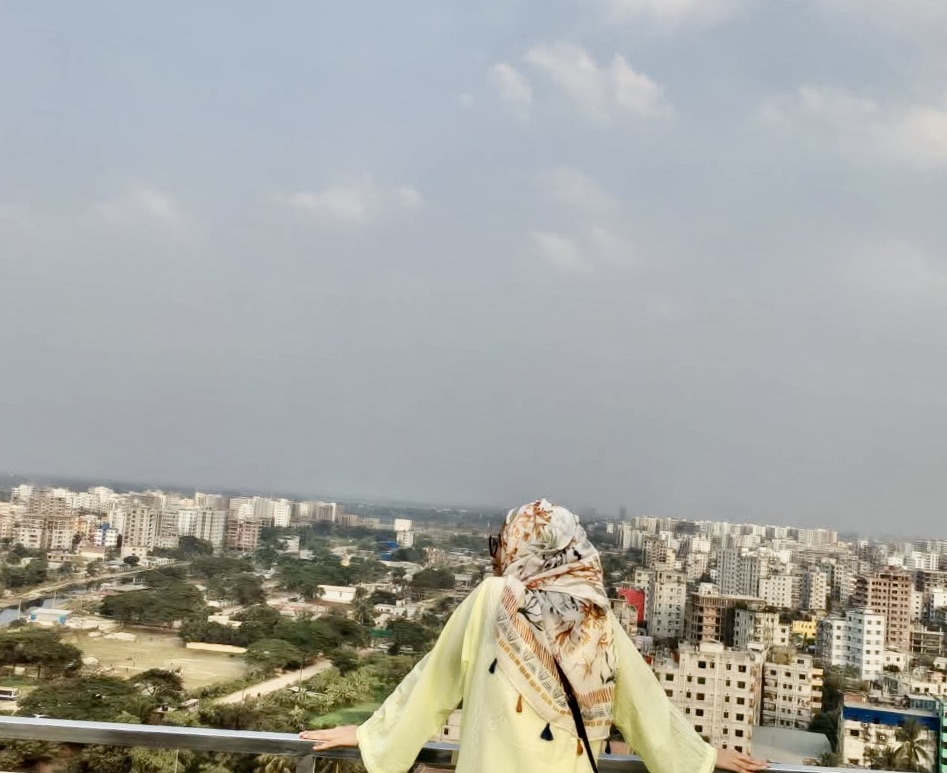
Noor Afrose
Noor Afrose is a legal writer and human rights advocate, and a former Oxfam Young Feminist Fellow working on the EWCSA project. Her hardest-won lesson is that legal analysis alone cannot capture how rights are actually experienced: the human story behind the law must come first, not last.
From a fourth-year environmental law classroom to tea gardens where women workers wait for change that never comes, Noor Afrose's path through writing is inseparable from her path through advocacy. In this interview with Powerful Blueprints, Noor Afrose talks candidly about the shift from mimicking established legal voices to building her own, the four-month struggle to finish a piece on Afghan refugee deportation, and why the fear of rejection kept her silent for years before she finally submitted. Good morning, Noor Afrose!
When did Noor Afrose first realize she was already a writer?
Noor Afrose first recognized writing as more than an academic task during a fourth-year environmental law course on children's rights, when she understood that her words could speak for those without a voice.
My writing journey started back in my undergraduate year, but for the first three years of law school, term papers were just assignments to complete for a grade. Then, in my 4th year, I took an environmental law course on children's rights and intergenerational equity, and something shifted. As I researched and wrote, I realized my words could actually speak for children who had no voice. That was the first time writing felt like a part of life, not a chore.
What started as a single assignment later became my undergraduate thesis topic as well. Whether I wanted it or not, writing had become my tool for justice and advocacy.

How does Noor Afrose make a piece of writing from first instinct to finished draft?
Noor Afrose spent more than four months completing a single article on Afghan refugee deportation, discovering mid-process that the piece required a full structural rethink before she could finish it.
Last year, I got the chance to work as a volunteer research analyst for Creshendo, where I wrote an article on the topic of Afghan refugee deportation from Pakistan to Afghanistan, titled "Forced to Leave, Nowhere to Go: How Pakistan Is Turning Its Back on Afghan Refugees." I first came across the issue while reading a newspaper and thought it might be a good fit, since Creshendo is an organization advocating for the rights of refugees. It took me more than four months to complete the article.
When I started researching, I realized the topic had far more dimensions than I had initially thought, every number and date seemed to keep changing. While writing, I kept my focus on the legal perspective, but I soon understood that the issue went beyond law or legal obligations; geopolitics was intertwined, and offering solutions purely from a legal standpoint would never be enough.
At one point in the middle of the writing process, I felt like I was losing my rhythm and found myself in a dilemma, wondering if I would ever be able to complete the draft. However, after a certain point, I decided to approach it from a different perspective and included geopolitics and other dimensions in a way that even a non-expert reader could understand what was actually happening there. That shift ultimately helped me complete the entire article.
What does Noor Afrose's writing environment look like before the words come?
Noor Afrose requires complete silence before and during writing, treating it as a non-negotiable condition for the concentration her research-first process demands.
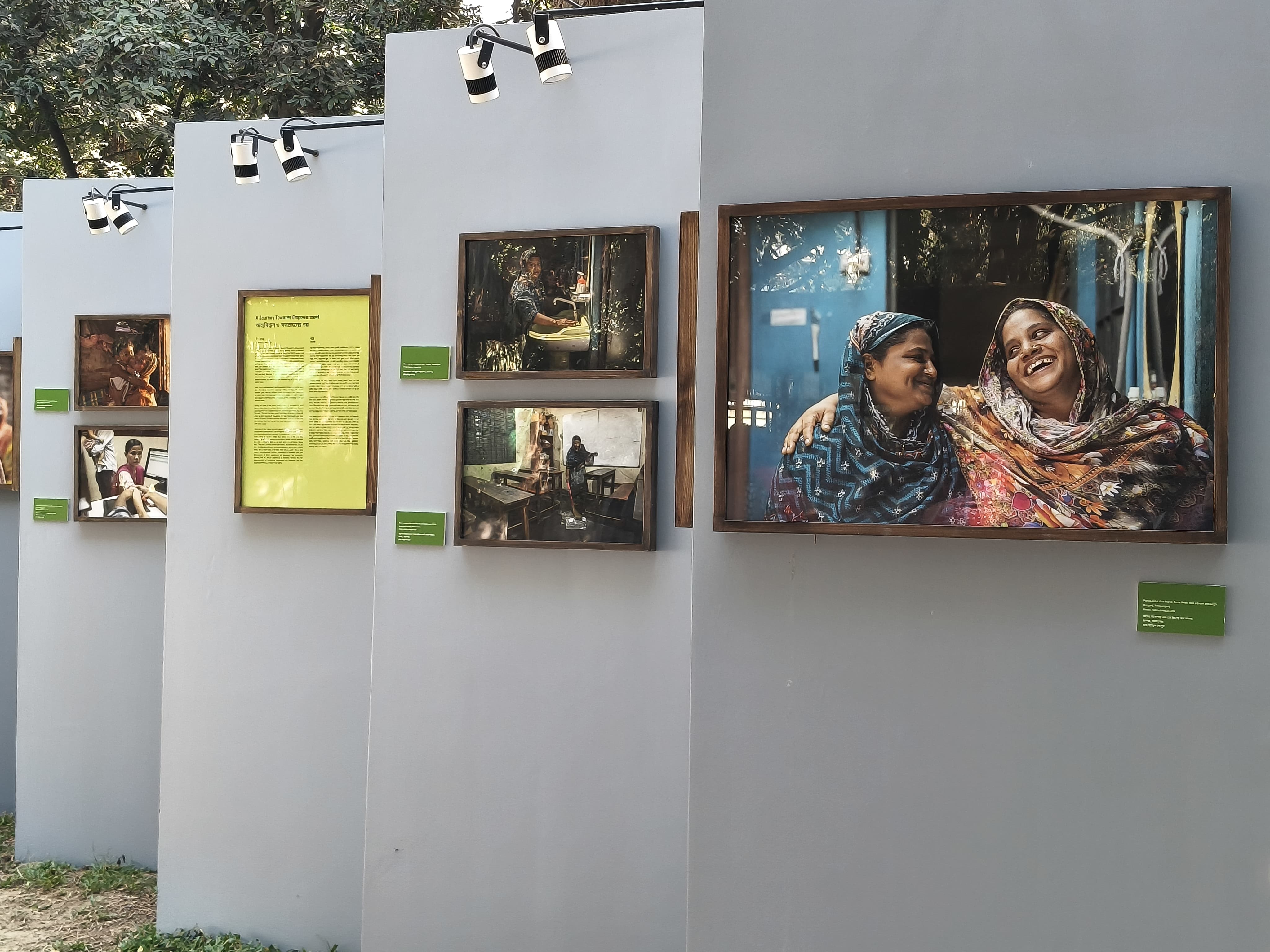
Usually, when I sit down to write an article or anything at all, I need absolute silence around me. This is because during the research phase, which happens before I even type a word, any background noise tends to break my concentration. That is why I cannot have any sounds surrounding me while I write; complete quiet is essential for my focus.
Who got inside Noor Afrose's sentences and how did she find her own voice?
Noor Afrose began her writing career by mimicking the structure of prominent law faculty writers, then discovered her own approach only when she was forced to cover a topic that had already been written about extensively.
When I first started writing for a national newspaper, I would read articles by prominent law faculties around the world and try to mimic their structure. I think that came from both inexperience and a belief that their established formats were the key to getting published. But after writing two or three pieces, I was assigned a topic that had already been covered extensively by others. I realized that copying their structure would only produce something redundant.
I needed to develop my own style to offer a fresh perspective. That was when I discovered my natural approach: I like to begin with real-life or contemporary issues, then layer in legal analysis, and finally ground everything in the actual real-world scenario.
What lessons took Noor Afrose the longest to learn, and did they reach the page?
Noor Afrose's most formative lesson came not from a law book but from a woman tea garden worker at Oxfam, whose words reshaped how she writes about human rights entirely.
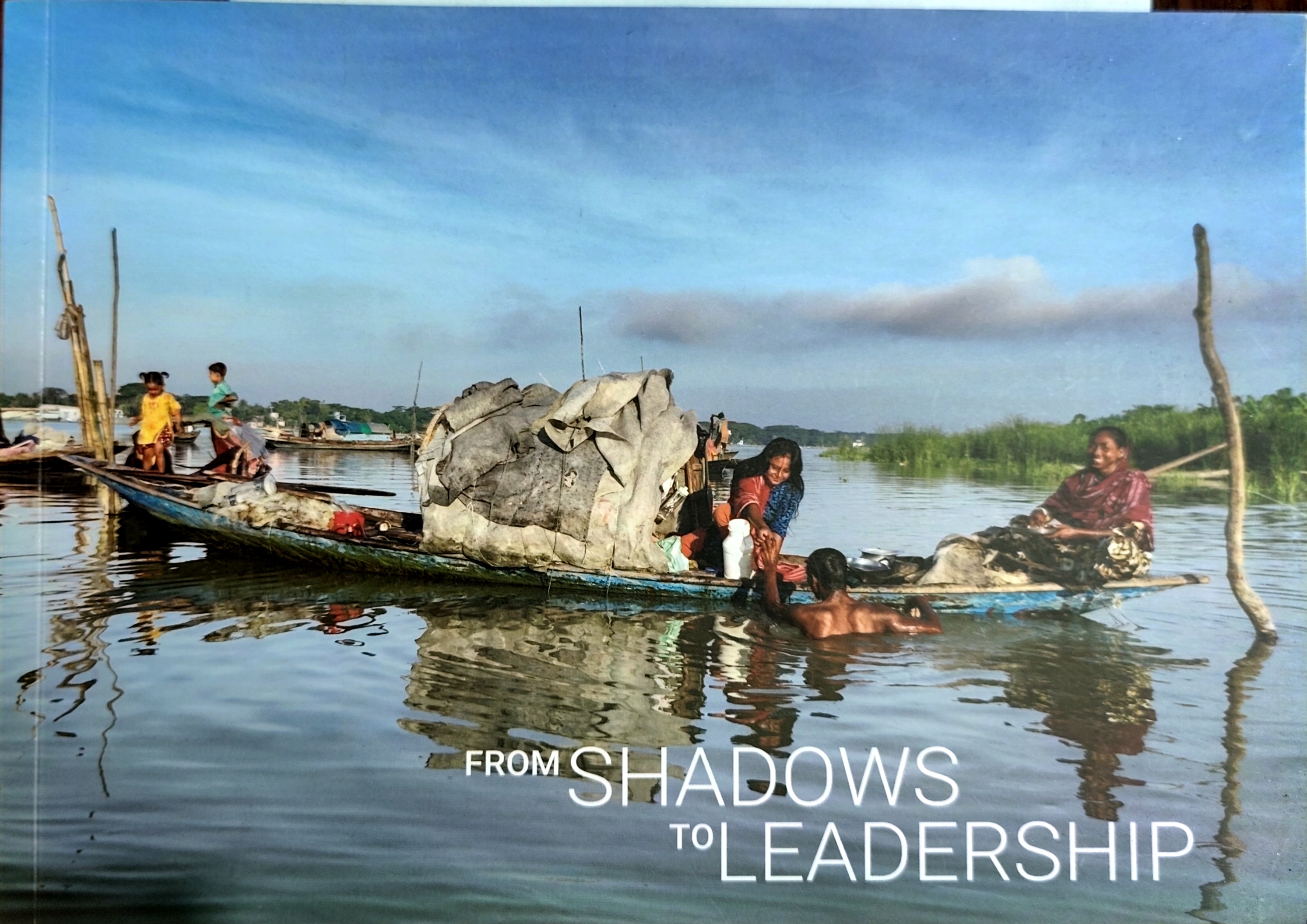
In law books, we always read about the law, legal analysis, and law implementation. However, after completing my post-graduation, when I started working in the field and practically engaging with people, I understood that in practical life, human rights work differently. Especially when I worked with informal women workers at Oxfam, one woman worker from a tea garden told me:
"Many people come to hear our stories, talk about laws, our rights and take interview, but no one comes to change our real situation."
That hit me hard. That realization eventually made its way into my writing. I stopped presenting only theoretical solutions and started acknowledging the human realities that shape how rights are actually experienced on the ground.
What does a reader miss when they miss the point of Noor Afrose's work?
Noor Afrose says readers who miss the point of her writing have lost sight of the human story buried beneath the legal language, a problem she is now actively working to solve through simpler, story-led writing.
They missed the human story behind all the legal talk. Non-legal readers get overwhelmed by jargon, and maybe sometimes lose interest. So now I am learning to write simply, tell stories, and keep the human perspective first, so no reader misses the point again.
What would Noor Afrose say to someone who has had a book inside them for ten years but hasn't started?
Noor Afrose, who spent her first two to three years of writing too afraid of rejection to submit anything, advises aspiring writers to stop waiting for perfect conditions and simply start.
Maybe fear of failure, fear of rejection, and overthinking about getting everything perfect before even writing the first word. This happened to me too; for the first 2-3 years, I couldn't submit my work anywhere because I was terrified it would get rejected. So I would tell them: stop worrying about the result before you have even tried, just write, finish it, and submit it to different platforms. Rejection is also part of the journey.
Thank you so much for sharing your story with us, Noor Afrose.
Frequently Asked Questions about Noor Afrose
When did Noor Afrose first see writing as a vocation rather than an academic exercise?
As someone who spent three years treating term papers as little more than grade-earning assignments, the shift came in a single course. During my fourth year of law school, an environmental law class on children's rights and intergenerational equity made me realize that my words could speak for children who had no voice of their own. That realization turned one assignment into an undergraduate thesis and writing into something I could not put down. Whether I wanted it to or not, writing had become my tool for justice and advocacy from that point forward.
What is Noor Afrose's writing process, and what does it look like beyond the actual drafting?
After years of working across legal research and advocacy writing, my process always begins with deep research before a single word is typed. For a piece on Afghan refugee deportation from Pakistan, that research phase alone took months, and every number and date I checked seemed to keep changing. The part that looks nothing like writing is the long stretch of sitting with a topic that keeps expanding and resisting easy answers. For that particular piece, I had to abandon my original purely legal framing and bring in geopolitics and broader dimensions before the draft would finally come together.
What is Noor Afrose's approach to finding her own voice as a legal writer?
Having started out writing for a national newspaper by mimicking the structure of prominent law faculty writers around the world, I understand exactly how long it takes to stop borrowing someone else's form. The turning point came when I was assigned a topic that others had already covered extensively, and I realized that replicating an established structure would only produce something redundant. That pressure pushed me toward the approach I now consider genuinely my own: beginning with a real-life or contemporary issue, layering in legal analysis, and grounding everything in the actual real-world scenario at the end. It was not a choice so much as a necessity that became a habit.
What is Noor Afrose's most important lesson from working directly with communities on human rights issues?
Having spent years reading about law in textbooks and then working in the field with informal women workers at Oxfam, I can say that the gap between legal theory and lived experience is vast. One woman worker from a tea garden said to me, "Many people come to hear our stories, talk about laws, our rights and take interview, but no one comes to change our real situation," and that stayed with me permanently. That single moment reshaped how I write. I stopped presenting only theoretical solutions and started acknowledging the human realities that shape how rights are actually experienced on the ground.
What is Noor Afrose's advice for writers who have been delaying their work out of fear?
After spending the first two to three years of my own writing life too afraid of rejection to submit anything anywhere, I know what that paralysis feels like from the inside. The fear of failure, the fear of rejection, the urge to make everything perfect before writing even the first word: these are real obstacles, but they are not reasons to stop. My honest advice is to stop worrying about the result before you have even tried, write the piece, finish it, and send it to different platforms. Rejection is also part of the journey, and it is the only way through.
What is Noor Afrose's view on why legal writing so often loses its general audience?
From my experience writing for both specialist and non-specialist readers, the core problem is that legal jargon creates a wall between the argument and the person it is supposed to reach. Non-legal readers get overwhelmed by that language and sometimes lose interest entirely, which means the human story behind all the legal talk goes unheard. That gap is something I have had to confront directly in my own work. Now I am learning to write simply, tell stories, and keep the human perspective first, so no reader misses the point again.