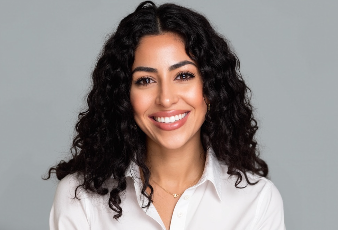
Parisa Pirooz
Parisa Pirooz is a founder who discovered that proximity to systems doesn't equal the ability to change them. Her most important insight is that money doesn't create movement—it only scales what already exists, while trust, clarity, and shared purpose come first.
What would you tell your younger self about changing systems?
Parisa learned a crucial distinction between understanding systems and actually transforming them. Her perspective shifted from working within existing structures to building entirely new models that don't require permission from established institutions.If you could go back and give your 20-year-old self one piece of advice, what would it be and why?
I would tell her that proximity to systems is not the same as the ability to change them.
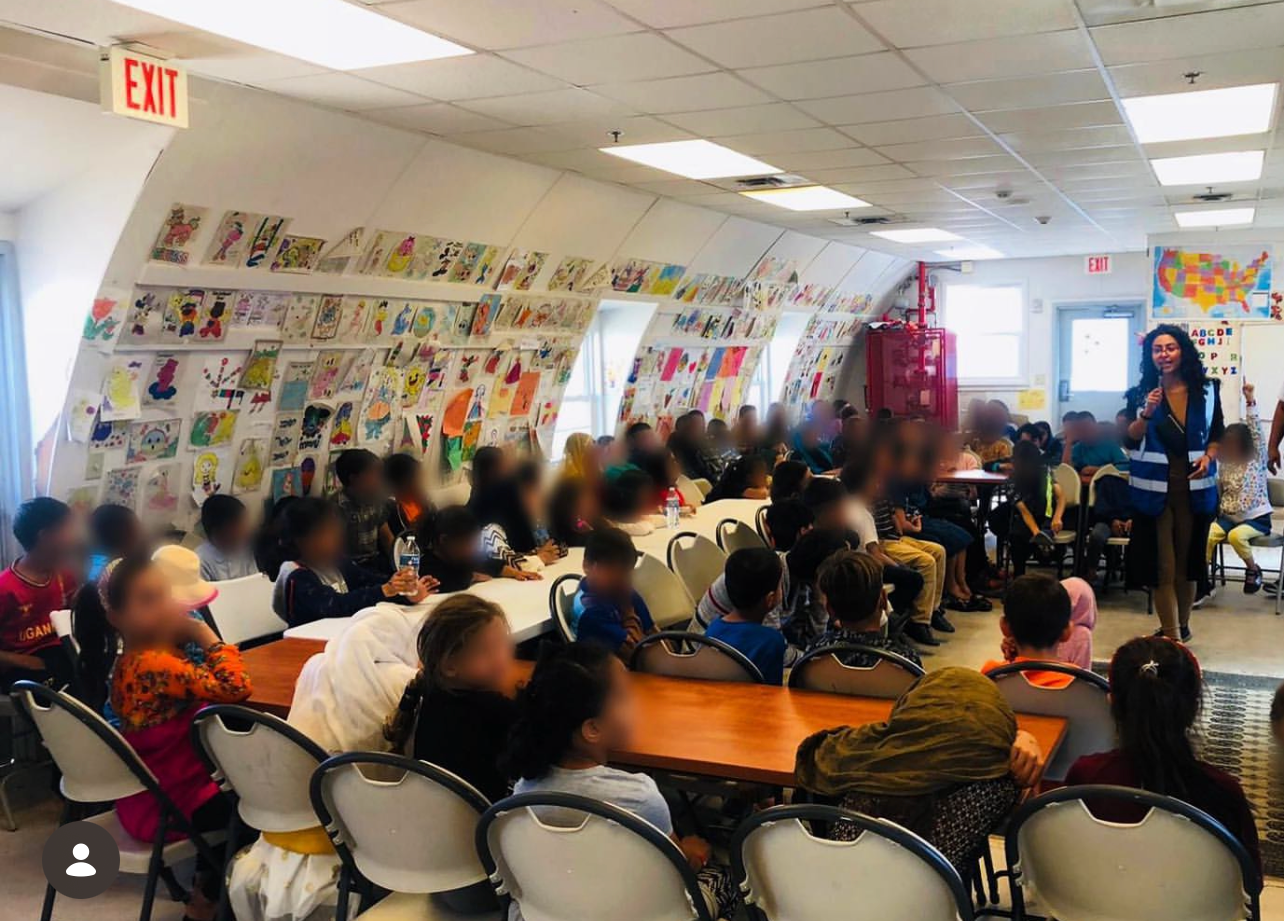
At 20, I believed that if I studied law and understood the system well enough, I could create meaningful impact from within it. What I didn't yet see was how much those systems are designed to maintain themselves.
Over time, I realized that some of the most meaningful shifts happen outside formal structures by building new models, redistributing power, and creating alternatives that don't rely on existing permission.
Law gave me language. But building gave me leverage.
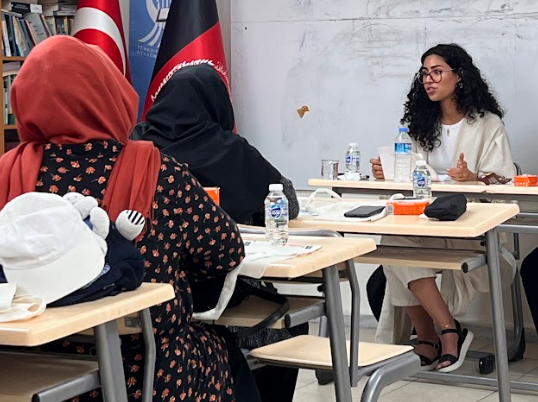
How has your relationship with money evolved as a founder?
Parisa's understanding of money transformed from viewing it as a prerequisite for impact to recognizing it as an amplifier of existing momentum. Her experience building a global volunteer network challenged conventional assumptions about what's needed to create meaningful change.What does your relationship with money look like today versus when you first started? How has it changed you?
When I started, I thought money was the prerequisite for impact. That without funding, nothing meaningful could move.
But in our first year, we grew from one person to a global team of 70+ volunteers across countries without traditional funding. That forced me to rethink what actually drives momentum.
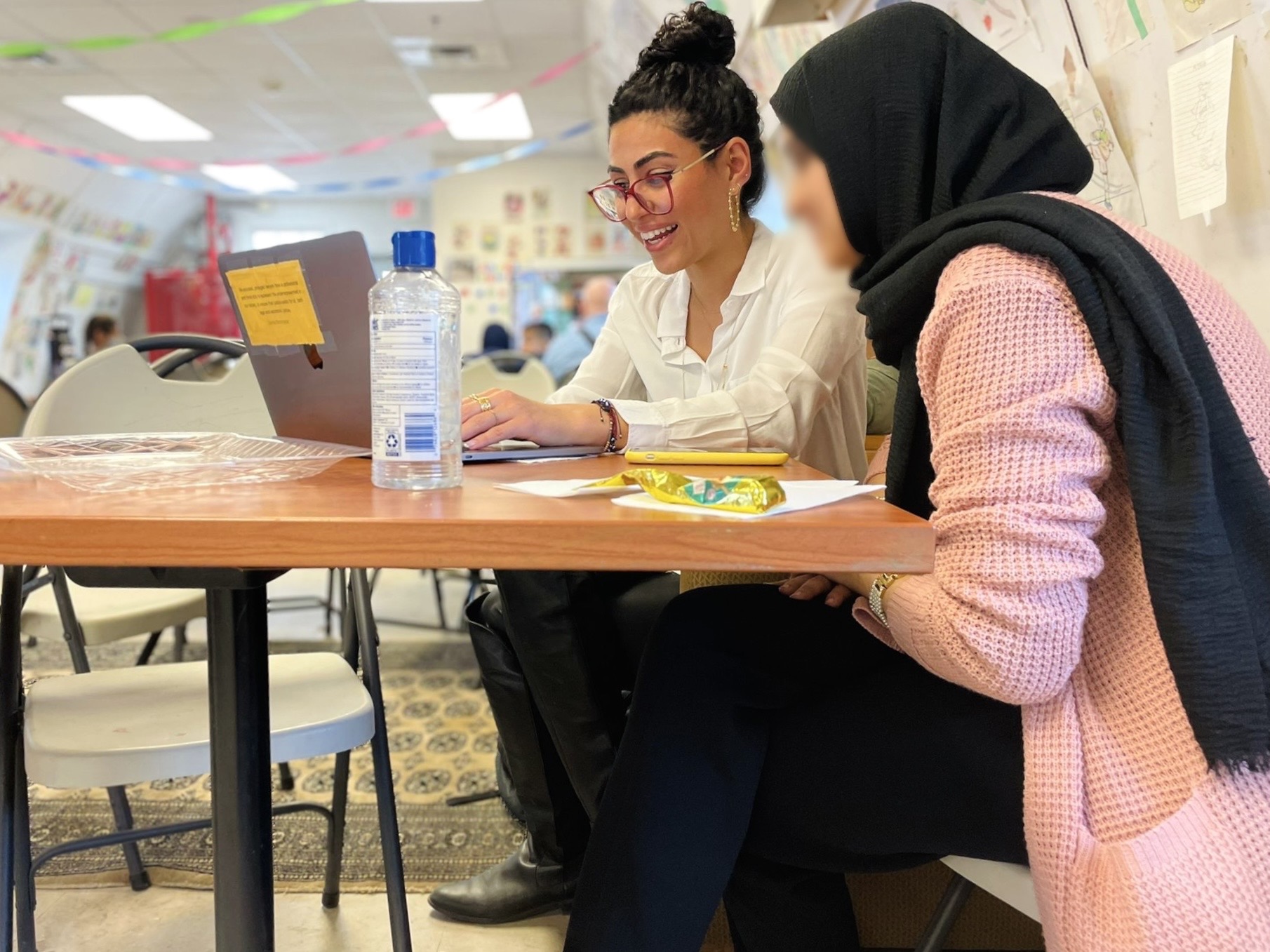
What I understand now is that money doesn't create movement. It scales what already exists. Trust, clarity, and shared purpose come first.
Today, I see money as an amplifier, not a starting point.
Frequently Asked Questions about Parisa Pirooz
What did Parisa Pirooz study before becoming a founder?
I studied law because I believed that understanding the system well enough would allow me to create meaningful impact from within it.
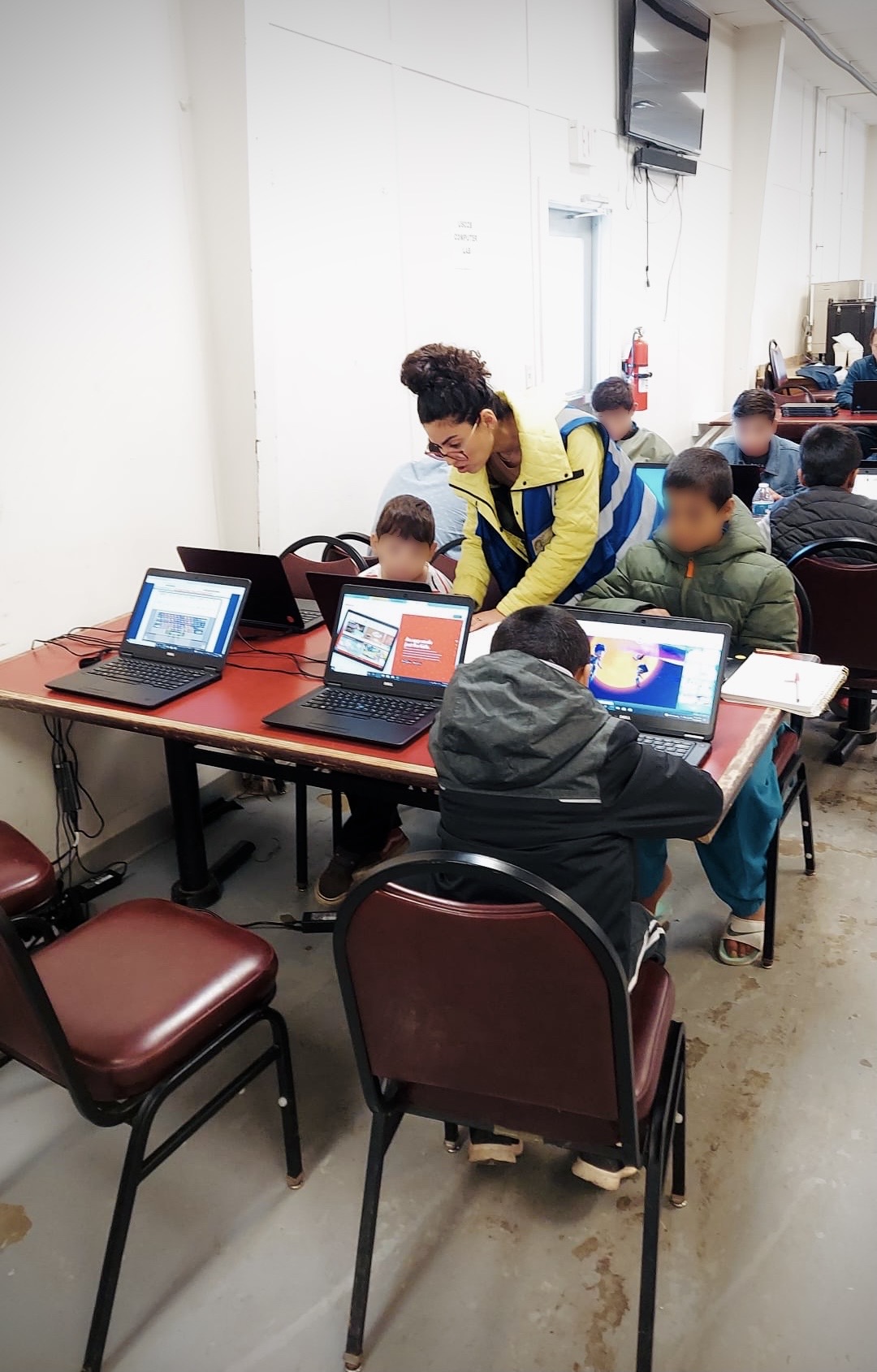
How large is Parisa Pirooz's team and how did she build it?
I grew from one person to a global team of 70+ volunteers across countries in our first year, all without traditional funding.
What does Parisa Pirooz believe drives meaningful change?
I realized that some of the most meaningful shifts happen outside formal structures by building new models, redistributing power, and creating alternatives that don't rely on existing permission.
How does Parisa Pirooz view money's role in creating impact?
I see money as an amplifier, not a starting point. Money doesn't create movement—it scales what already exists. Trust, clarity, and shared purpose come first.
What was Parisa Pirooz's biggest misconception about systems change?
I believed that proximity to systems was the same as the ability to change them, but I learned that systems are designed to maintain themselves.
What did Parisa Pirooz gain from law versus building?
Law gave me language. But building gave me leverage.