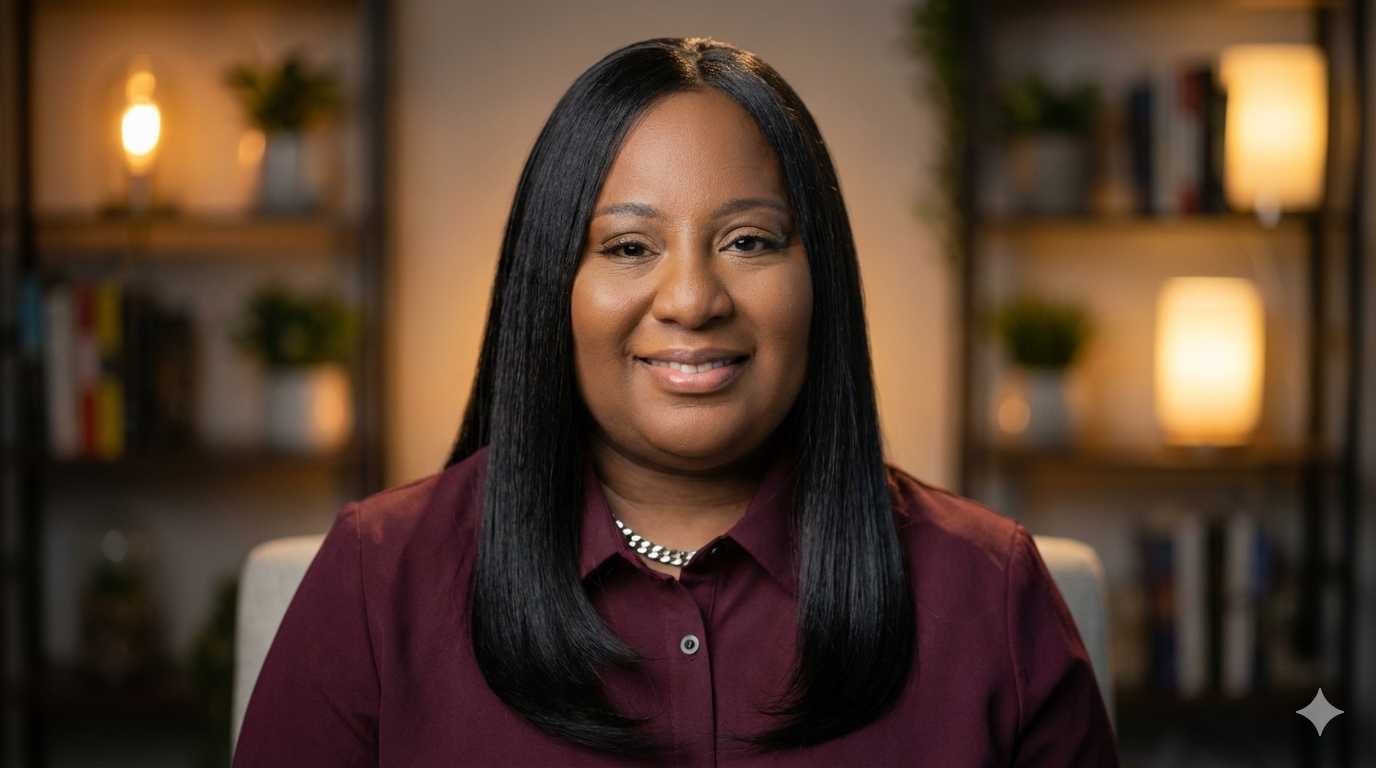
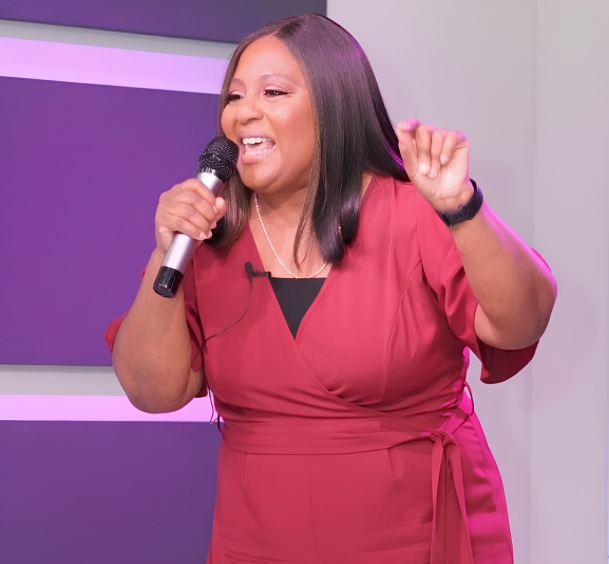
Princess Millens
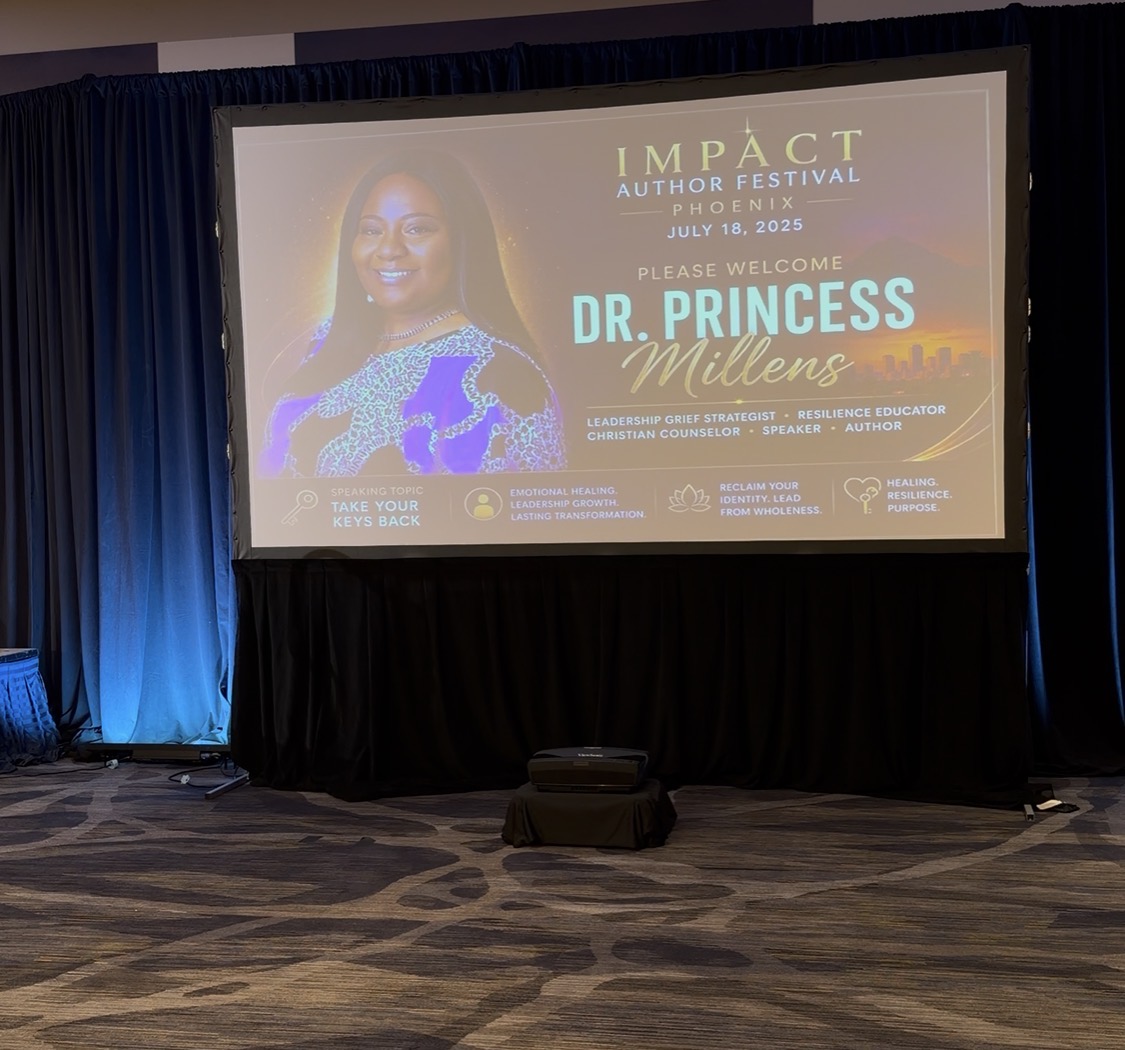
Princess Millens is the Founder and CEO of Blessed and Beautiful International and the author of The Cost of Carrying Everything. Her central insight is that high-functioning women, caregivers, and leaders can appear outwardly strong while quietly carrying unacknowledged layers of grief — from loss, divorce, health challenges, and more. Her hardest-won lesson: healing is not passive, and giving yourself permission to begin the process is the first essential step.
From the mathematics classroom to the ministry pulpit to the author's desk, Princess Millens has moved through roles that most people would never think to hold simultaneously — and all of them, it turns out, were preparing her for a single, urgent message. In this interview with Powerful Blueprints, Princess Millens speaks with rare candor about writing through active grief, the thirty-year gap between recognizing a gift and fully claiming it, and why the person who most needs her book may be the last one to pick it up. Good morning, Princess Millens!
What was Princess Millens really trying to work out when she began writing The Cost of Carrying Everything?
Princess Millens began writing The Cost of Carrying Everything to understand how she could be grieving the loss of her son, her mother, and her father while continuing to show up as a mother, teacher, entrepreneur, and ministry leader — and to name the framework that had helped her begin to release that weight.
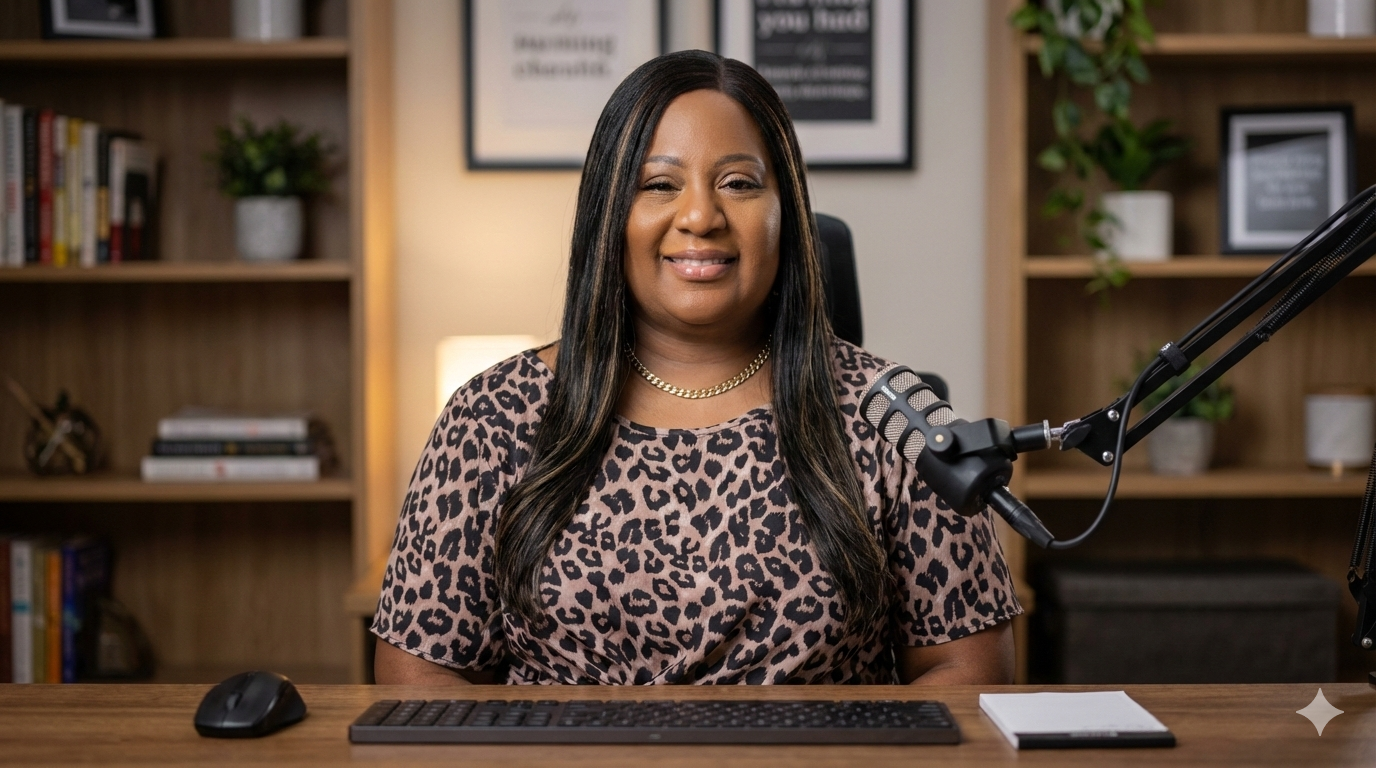
The real answer is that I was trying to understand how I could be grieving so deeply and still keep showing up in so many leadership roles. I was grieving the loss of my son, Anthony, while still being a mother, a teacher, an entrepreneur, and a ministry leader. I knew I could not continue carrying everything the same way, but I was still trying to understand what I had been carrying and why I felt responsible for holding so much together.
When my father passed away in January 2024, grief from many different seasons began rushing back. I had lost my mother and my son, experienced divorce, faced health challenges, and walked through other painful changes. That was when I realized this was not simply about being busy or overwhelmed. I had been carrying layers of grief while continuing to function at a high level.
Writing this book helped me name that experience. I was trying to understand why strong, high-achieving women often feel responsible for everyone else, even while they are hurting. I was also beginning to recognize the process that had helped me release some of that emotional weight, which would later develop into a framework.
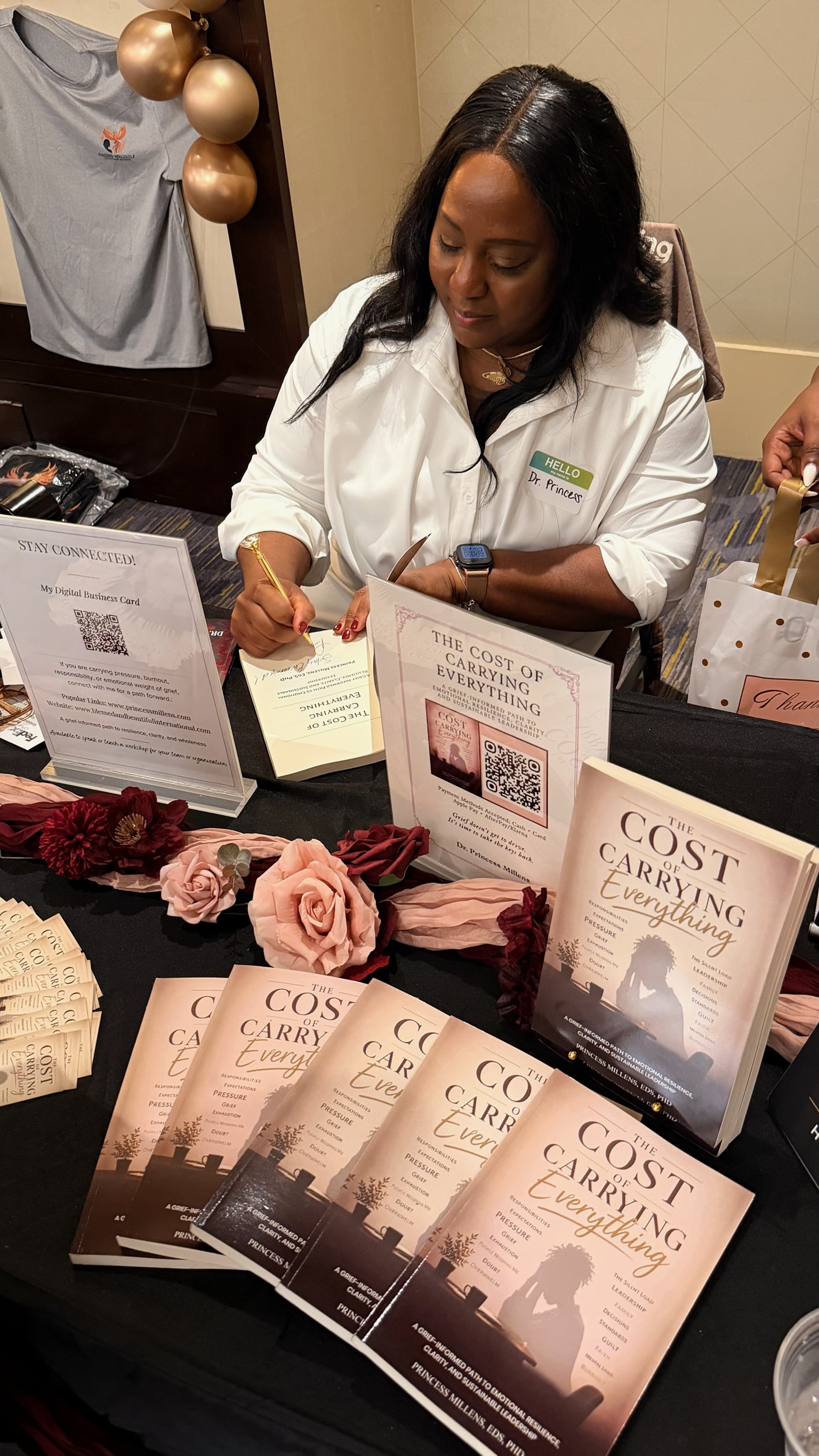
Most of all, I had to accept that this book was not only for me. My story was personal, but the struggle was shared. I had to believe that my voice, my healing, and the lessons I had learned could help another woman finally acknowledge what she had been carrying and give herself permission to put some of it down.
What does Princess Millens's writing environment look like before the words will come?
Princess Millens writes best from a place of spiritual connection and emotional settledness, typically at her desk with tea, water, or a sports drink nearby, and either complete quiet or soft worship instrumentals playing in the background.
The ideas can come to me anywhere. I may be lying in bed, sitting on the couch, or going about my day when I receive what I call a download: an idea, a message, or a sentence that belongs in the book. But when it is time to actually write, I am usually sitting at my desk.
I may have tea, water, or a sports drink nearby. Sometimes I write in complete quiet, and other times I need soft worship music or instrumental music playing in the background. My faith is a large part of me, and prayer is also a part of my writing process. I pray before I write, while I am writing, and after I finish.
I am naturally more of a late-night writer, although I will write whenever the words come. The most important thing is that I feel settled. I cannot write well from a place of frustration or when I feel emotionally overwhelmed. I need to feel inspired, spiritually connected, and ready to release what is already forming in my heart.
When did Princess Millens first realize she was already a writer?
Princess Millens first recognized herself as a writer not in childhood but in midlife, during the process of writing her first solo book, It's Okay to Cry, when she realized she was giving language to pain rather than simply putting words on a page.
I was not the child who grew up writing stories or dreaming of becoming an author. Mathematics was always my subject, and I saw myself as a teacher long before I ever saw myself as a writer. I remember writing a paper in college, and my professor told me I had a gift. My response was basically, "Who, me?" I did not believe writing was part of who I was.
That seed was planted, but it took years for me to recognize it. About 30 years later, I co-authored The Promise Devotional, yet I still did not fully see myself as a writer. The real shift happened when I wrote my first solo book, It's Okay to Cry. I was writing through the pain of losing my son, Anthony, and somewhere in that process, I realized I was doing more than putting words on a page. I was giving language to pain, creating meaning from my experience, and offering something that could help someone else.
That was the moment I began to see myself differently. I was not only a teacher, speaker, or minister with something to say. I was an author, too.
What does Princess Millens say to someone who has had a book inside them for ten years but hasn't started?
Princess Millens tells aspiring authors that the real reason most people haven't started is that they feel unqualified — and that the cost of waiting is not theirs alone, because someone may already be waiting for the words only they can write.
I believe the real reason many people have not started is that they feel unqualified. We often grow up believing authorship is for celebrities, famous people, or people with extraordinary stories. We convince ourselves that no one will care about what we have experienced or that our words will not make an impact. I understand that because I struggled with the same thoughts. Perfectionism and fear also held me back. I wondered whether anyone would buy my book or even want to hear what I had to say.
I would tell that person, "Do not wait as long as I did." It took me nearly thirty years to finally share parts of my story in a book, and I discovered that more people needed it than I realized. Authorship is bigger than our feelings and often bigger than us.
You do not need to have the whole book figured out before you begin. Sometimes you receive one step, one idea, or one divine nudge at a time. You only need enough courage to write the first page.
When you continue to wait, the cost is not yours alone. Someone may be waiting for the words that help them heal, solve a problem, or take their next step. Delaying your book may also delay what your story was meant to unlock in someone else.
How does a book actually get made in Princess Millens's hands — from first instinct to finished draft?
Princess Millens begins every book with a spiritual nudge, moves through prayer, journaling, voice notes, and structured outlining, and considers the manuscript finished only when it has fully answered the question promised by its title and central message.
A book usually begins for me with a spiritual nudge. I may recognize something from my own life or feel a strong burden to write about a certain topic. From there, I begin gathering scattered notes and shaping them into an outline. Sometimes a title comes early, but most often I begin with a working title and allow the final title to come later.
My process includes prayer, research, journaling, voice notes, and organizing the chapters. Sometimes I revisit material I have already taught and look at it through a fresh lens. I also pause at different stages of the process and sit with what I have written. I may do that after a chapter, a section, or a major milestone so I can discern what needs to come next.
The part that looks nothing like writing is rest. Sometimes the book is still forming while I am on vacation, spending time in nature, or simply living my life. I believe every encounter and experience can become part of the writing process. God can use conversations, family moments, travel, and even quiet seasons to bring clarity.
I know the book is ready to be drafted when the message becomes a burden on my heart and I feel a strong need to release it in book form. Before I consider the manuscript finished, I ask whether the book has fully answered the question promised by the title and the central message. If it has not, then I know there is still more work to do.
How did Princess Millens develop her writing voice without imitating anyone else?
Princess Millens developed her writing voice entirely through lived experience — her years as an educator, a ministry leader, and a woman who has grieved — rather than through the influence of any single author or teacher.
I cannot name one author, speaker, or teacher who changed the way I write. My voice was not formed by trying to imitate someone else. In many ways, it was shaped by my own life experiences.
Being an educator taught me how to explain things clearly. Ministry taught me how to speak with faith, compassion, and encouragement. Grief taught me how to be honest and emotionally present. Life taught me how important it is for people to feel seen in the words they are reading.
My writing voice is warm, conversational, faith-focused, honest, and easy to understand. I want people to be able to use what I write, not simply admire it. Unless I am writing for an academic or professional audience, I believe we should write to the person we once were; the person who may be searching for language, direction, or hope.
I never spent much time trying to sound like an author because, for a long time, I did not even think of myself as one. I simply wrote the way I teach, speak, minister, and connect with people. Over time, I realized that was my voice. It did not come from another writer's sentences. It came from the life I had lived and the people I felt called to serve.
What genuinely surprised Princess Millens while writing The Cost of Carrying Everything?
Princess Millens was surprised to discover, mid-manuscript, that she had been carrying far more unacknowledged grief, pressure, and emotional weight than she had understood — and that the book's message extended naturally to faith leaders, not only business executives.
What surprised me most was how emotional I still became while writing certain parts of the book. I thought I had already worked through many of those experiences, but the writing showed me that healing does not mean grief disappears. Love still exists, so grief can still rise in unexpected moments.
After my father passed away in January 2024, and I finally returned to the manuscript, I realized I had been carrying more grief, responsibility, pressure, and emotional weight than I understood. The book did not introduce me to the idea that grief comes from more than death because I had known that for years. What it did was confirm how deeply unrecognized grief can affect high-functioning women. We can appear strong, continue producing, lead others, and still be quietly struggling.
I was also surprised by how much the message expanded to include faith leaders. When people hear the word "leader," they often think of business executives, but pastors, ministry leaders, nonprofit leaders, and those serving in faith-based organizations also carry tremendous emotional weight.
As I continued writing, the message became even clearer: grief affects all of us, and it can influence every part of our lives, including how we lead. The Cost of Carrying Everything is not only for people who have experienced death. It is for anyone who has been leading, achieving, serving, and showing up while carrying losses they may not have fully acknowledged.
What lessons took Princess Millens the longest to learn — and did they end up on the page?
Princess Millens spent years learning that real strength includes asking for help and resting, and that healing requires active participation rather than simply waiting for time to pass — both lessons woven throughout The Cost of Carrying Everything.
One of the hardest lessons for me to learn was that being strong for everyone else was affecting my own emotional and mental well-being. For years, I thought strength meant carrying everything, continuing to function, and suffering in silence. I had to learn that real strength also looks like asking for help, resting, making healthy changes, and doing the work necessary to heal.
Grief also taught me that time alone does not heal every wound. I grew up with the idea that if enough years passed, eventually I would simply be over the pain. But healing is not passive. Time may create distance, but there is still a process we have to participate in. We will need support, tools, resources, honest reflection, and intentional steps toward healing.
That lesson is woven throughout The Cost of Carrying Everything. I want readers to understand that they do not have to keep waiting for time to fix what they have never been given the space or support to address. My hope is that they will give themselves permission to seek the help they need, use the resources available to them, and take an active role in their own healing.
What does a reader miss when they miss the real point of The Cost of Carrying Everything?
Princess Millens says the most commonly missed point is that the book is not limited to formal leaders or to grief after death — its central message is that carrying unacknowledged emotional weight costs everyone something, whether or not they are still functioning on the outside.
They missed that The Cost of Carrying Everything is not only for people in formal leadership, and it is not only about grief after death. Leadership shows up in many places. We lead in our homes as mothers, fathers, and grandparents. We lead in churches, communities, workplaces, and relationships. We also carry many forms of grief that may not always be recognized as grief.
The central message is that carrying emotional weight costs us something. It can affect our mental and emotional well-being, our physical health, our relationships, and the way we lead and serve. The problem is that many of us are still functioning. We are still producing, helping, giving, and showing up, so we assume everything is fine. But being able to carry something does not mean it is not harming us.
We have been taught to celebrate strength, endurance, productivity, and pushing through without asking what those things are costing us. Healing is not a quick fix. It is a process, and each person has their own journey and timeline. But we must first acknowledge what we are carrying.
My hope is that readers will stop only surviving and begin making intentional choices to seek support, use the right tools, and create a healthier way of living, leading, and healing.
What is the message beneath The Cost of Carrying Everything that the book approaches but never quite says directly?
Princess Millens says the deepest message beneath her book is that healing is possible for anyone willing to move through the process rather than hide from the pain, and that strength should never require a person to abandon themselves.
There is a path to healing. You do not have to struggle or suffer in silence, and your strength should never require you to abandon yourself.
I want high-functioning women, caregivers, leaders, and those who are always considered "the strong one" to know that they have permission not to carry it all. They can give themselves the freedom to acknowledge what they have lost, tend to the places that still hurt, and receive the support they need.
The world often celebrates productivity, self-sacrifice, and being needed by everyone. We praise people for continuing to serve, give, lead, and perform without always asking what it is costing them. A person can look strong on the outside while quietly breaking down on the inside.
The deepest message beneath The Cost of Carrying Everything is that hope still exists. Healing is possible, but we must be willing to move through the process rather than continue hiding from the pain. As I often say, there is healing on the other side of through. Our responsibility is to give ourselves permission to begin the journey to get to that side.
What is something about Princess Millens that almost never gets read correctly?
Princess Millens holds a doctorate in Christian counseling — not a medical or clinical degree — and her work is grounded in grief education, research, faith, and lived experience, a distinction she is intentional about making clear.
One thing people often misunderstand is the nature of my work. Because they see "Dr. Princess" and hear me speak about grief and emotional wellness, they sometimes assume I am a medical doctor, clinician, or licensed therapist. I am not. I hold a doctorate in Christian counseling, and my work is grounded in research, grief education, faith, and my own lived experience. I am very intentional about making that distinction clear.
People also tend to see me as someone who is always strong and emotionally composed. I am faith-focused, and God will always be present in the way I communicate, even when I do not mention His name directly. But I am also playful, down-to-earth, and very human. I have had moments when I wondered why anyone would listen to me or whether my voice really mattered.
My message is also bigger than grief. I talk about healing, joy, resilience, purpose, leadership, and learning how to thrive after pain. I am not writing from theory alone. I have experienced loss, divorce, betrayal, friendship loss, church hurt, health challenges, and many other forms of grief.
What I want readers to understand about the woman behind the message is this: I was once where they are. I am the person I needed during some of the hardest seasons of my life. I understand the pain, but I also know there is life, freedom, and purpose on the other side of it.
What has Princess Millens been listening to lately while she works?
Princess Millens listens to a mix of faith, leadership, and personal growth podcasts during commutes and walks, and returns to worship instrumentals without lyrics while writing — a deliberate choice she makes to stay focused and spiritually connected.
Lately, I have been listening to a mixture of podcasts and music. My podcast choices usually focus on faith, leadership, business, and personal growth. I tend to listen while I am driving, walking, resting, or simply giving myself space to think. Podcasts help me feel inspired, consider different perspectives, and sometimes bring clarity to something I am already working through.
My music choices are just as varied. I mostly enjoy gospel and contemporary Christian music, but I also enjoy R&B and jazz instrumentals. But while I am working, I usually return to worship instrumentals. I prefer instrumental versions of worship songs or soft worship music without words because it helps me focus without being distracting. It creates a peaceful atmosphere, helps me feel spiritually connected, and gives my thoughts room to settle while I work.
What is Princess Millens's one-year goal that she wants to be held accountable to?
Princess Millens's stated goal for the next twelve months is the relaunch of her Restore My Soul podcast — which she paused in January 2024 after her father's passing — alongside the publication of the second edition of It's Okay to Cry, new courses, and the launch of a retreat.
The project I want to be held accountable for is the relaunch of my Restore My Soul podcast. I began the podcast in 2023 and released approximately thirty episodes, but after my father passed away in January 2024, I stepped away from it. I have thought about returning many times, but procrastination and perfectionism have kept me from fully committing to the restart.
This podcast matters to me beyond business or visibility because it is another way for me to release hope, healing, and practical support into the world. Through the podcast, I also have the opportunity to meet people, hear their stories, and learn what helped them heal, rebuild, and move forward. Those conversations remind listeners that there is more than one path through pain.
By this time next year, I want Restore My Soul to be active and consistent again. I also expect to have the second edition of It's Okay to Cry published, additional books and courses released, and my retreat launched. I want to be serving a broader audience that includes faith-based organizations, nonprofits, and corporate spaces.
Most of all, I want the work I release to create real impact. I am putting stronger systems in place so that perfectionism and limiting beliefs no longer keep meaningful projects unfinished.
Thank you so much for sharing your story with us, Princess Millens.
Frequently Asked Questions about Princess Millens
Who is Princess Millens and what is her book The Cost of Carrying Everything about?
As the Founder and CEO of Blessed and Beautiful International, I wrote The Cost of Carrying Everything out of my own experience of grieving the loss of my son Anthony and my parents while continuing to lead, teach, and serve in multiple roles simultaneously. The book addresses the hidden cost of carrying unacknowledged emotional weight — not only grief after death, but losses from divorce, health challenges, friendship, and change. It is written for high-functioning women, caregivers, faith leaders, and anyone who has kept showing up for everyone else while quietly struggling on the inside. My central message is that being able to carry something does not mean it is not harming you, and that healing requires intentional action rather than simply waiting for time to pass.
What is Princess Millens's framework for healing and emotional wellness?
After years of grieving while continuing to function at a high level, I developed a framework rooted in the recognition that healing is not passive — it requires support, tools, honest reflection, and intentional steps. The framework grew out of my own process of identifying and naming the layers of grief I had been carrying across multiple seasons of loss. I hold a doctorate in Christian counseling, and my approach is grounded in grief education, research, faith, and lived experience rather than clinical practice. My goal is to help readers give themselves permission to acknowledge what they are carrying, seek the right support, and take an active role in their own healing journey.
What is Princess Millens's background, and is she a licensed therapist?
Having spent decades as an educator, ministry leader, entrepreneur, and author, my background spans several disciplines — but I am not a medical doctor, clinician, or licensed therapist, and I am intentional about making that distinction clear. I hold a doctorate in Christian counseling, and my work is grounded in research, grief education, faith, and my own lived experience. I came to this work not from classroom theory alone but from having personally walked through the loss of my son, the loss of my parents, divorce, health challenges, church hurt, and other forms of grief. The woman behind the message is the person I needed during some of the hardest seasons of my own life.
What is Princess Millens's writing process, and how does faith shape it?
As a faith-focused author and ministry leader, my writing process begins long before I sit down at my desk — often with what I call a download: an idea, a message, or a sentence that arrives while I am going about my day. When it is time to formally write, I pray before, during, and after the session, and I keep tea, water, or a sports drink nearby while soft worship instrumentals play in the background. I am naturally a late-night writer, but the most important condition is that I feel settled, spiritually connected, and emotionally ready to release what is already forming in my heart. I also believe that rest, travel, and ordinary life experiences are part of the process — God can use conversations, family moments, and quiet seasons to bring clarity to the manuscript.
What is Princess Millens's advice for someone who has been putting off writing their book for years?
Having waited nearly thirty years to share parts of my own story in a book, my most direct advice is: do not wait as long as I did. The real reason most people have not started is that they feel unqualified — we convince ourselves that authorship belongs to celebrities or people with more extraordinary stories, and perfectionism and fear do the rest. But you do not need to have the whole book figured out before you begin; sometimes you receive one step, one idea, or one divine nudge at a time, and all that is required is enough courage to write the first page. What I want aspiring authors to understand is that the cost of waiting is not theirs alone — someone may already be waiting for the very words that only they can write, and delaying the book may delay what the story was meant to unlock in someone else.
What is the vision behind Princess Millens's Restore My Soul podcast?
After launching Restore My Soul in 2023 and releasing approximately thirty episodes, I stepped away from the podcast in January 2024 following the passing of my father — and procrastination and perfectionism have kept me from fully committing to the restart since then. The podcast matters to me beyond business or visibility because it is another channel for releasing hope, healing, and practical support into the world. Through those conversations, I have the opportunity to meet people, hear their stories, and learn what helped them heal, rebuild, and move forward — reminders to listeners that there is more than one path through pain. My goal for the next twelve months is to have Restore My Soul active and consistent again, alongside the second edition of It's Okay to Cry, new courses, and the launch of a retreat serving faith-based organizations, nonprofits, and corporate spaces.