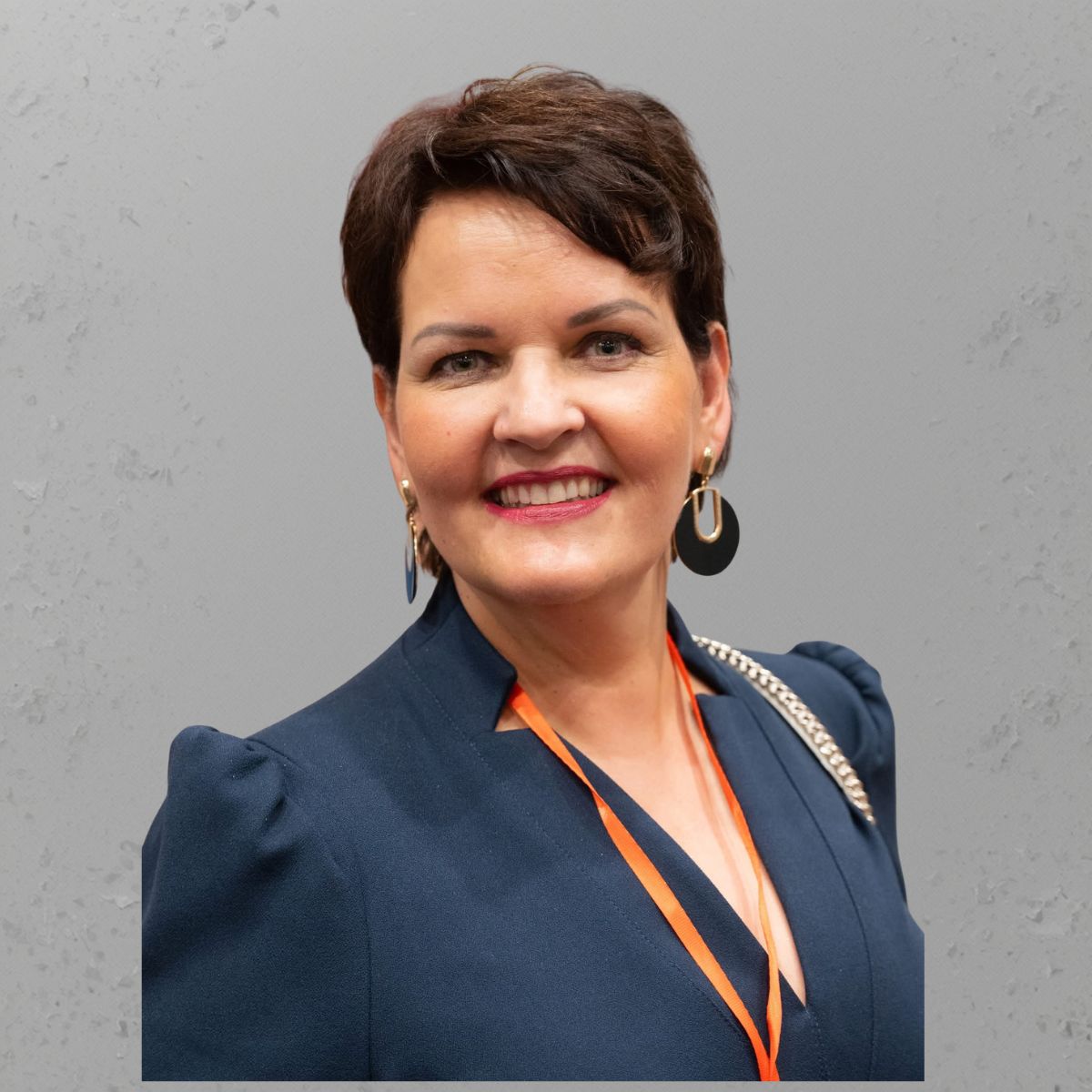
Violeta Saladiene
Violeta Saladiene is a keynote speaker, L&D consultant, and coach whose TEDx talk, "Don't be a foreigner in your own success," drew directly from years of identity crisis after relocating to the UK. Her hardest-won insight: confidence is not a natural talent but a practice — built, lost, and rebuilt — which is why she is writing a workbook on it, not because it comes easily to her, but because it doesn't.
From scribbling stories mid-journey at a Toastmasters conference to standing under the red dot of a TEDx stage, Violeta Saladiene's path moves between reinvention and creative discipline in ways that resist easy summary. In this interview with Powerful Blueprints, Violeta talks candidly about the role of handwriting in her creative process, what she was listening to in the aftermath of TEDx, and the project she is finally ready to be held accountable to. Good morning, Violeta!
What does Violeta Saladiene's writing process look like before the first word appears?
Violeta writes primarily by hand on an iPad with a pen, often in motion — on trains, in cafés with headphones on, or in hotel rooms — beginning only once inspiration strikes from speakers, books, or personal experience.
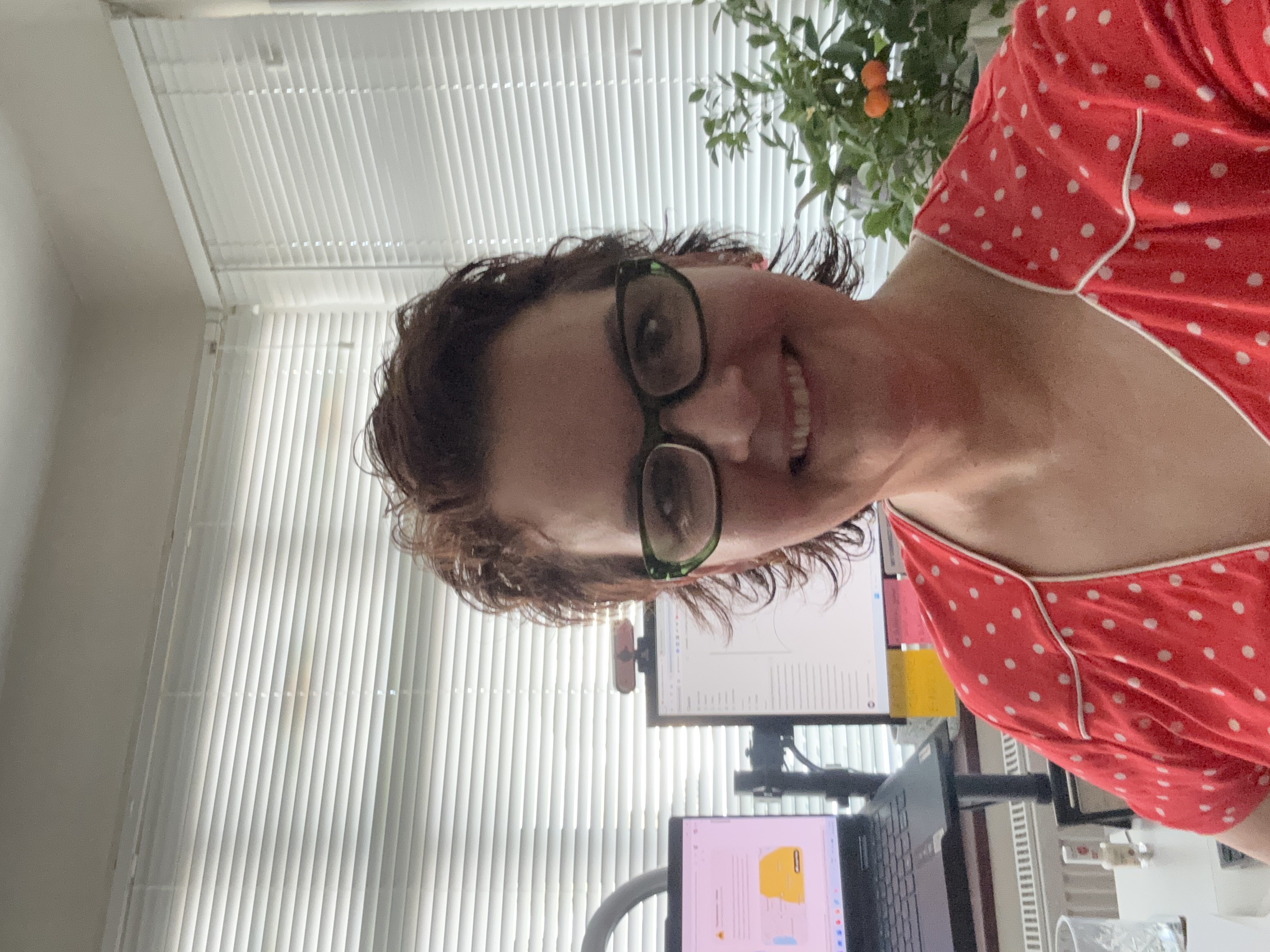
That first hour looks different every time. It always starts with inspiration, and inspiration can come from anywhere: other speakers, famous people like actors or politicians, a book I have recently read, or my own life experience. Once it strikes, I simply sit down and try to write. It can happen on the train, or while I am walking, in which case I record everything as audio notes. Sometimes it happens in a cafe, although cafes are loud and noisy, and most of the time I need silence to focus. So the compromise is headphones on, cortado in hand, and then the words will come.
More often than not, I write on my iPad with a pen. I scribble everything down by hand, knowing full well I will have to rewrite it again, and maybe again. But nevertheless, I enjoy handwriting a lot. There is something about it that typing simply cannot replace. One example I can give: in 2024 I travelled to Portlaoise for a Toastmasters conference, and surprisingly, I had a very stressful journey right from the moment I entered the airport. So I started scribbling that story at every step of the way. First on the airplane, then on the train, then in the hotel room. Because when you scribble immediately, your memories are still fresh, and you can save and secure all the details. And the emotions too.
What lessons took Violeta Saladiene the longest to learn — and did any of them end up on the page?
Violeta's longest lesson was understanding her own identity after relocating to the UK, a process that took years and eventually surfaced — lightly disguised — in her TEDx talk.
The lesson that took me the longest to learn was understanding who I am. When I moved to the UK, there were years of adaptation. A new country, a new culture. And being a flexible and adaptable person, I engaged every skill I had in order to survive. I remember so many evenings asking myself the same question: who am I? Because there were years when I worked as a lecturer, years when I worked as a sales executive, and years when I worked as an interpreter. Somewhere along the way, I lost my identity. Was I a lecturer, a salesperson, or an interpreter? That was the longest lesson of my life to learn.
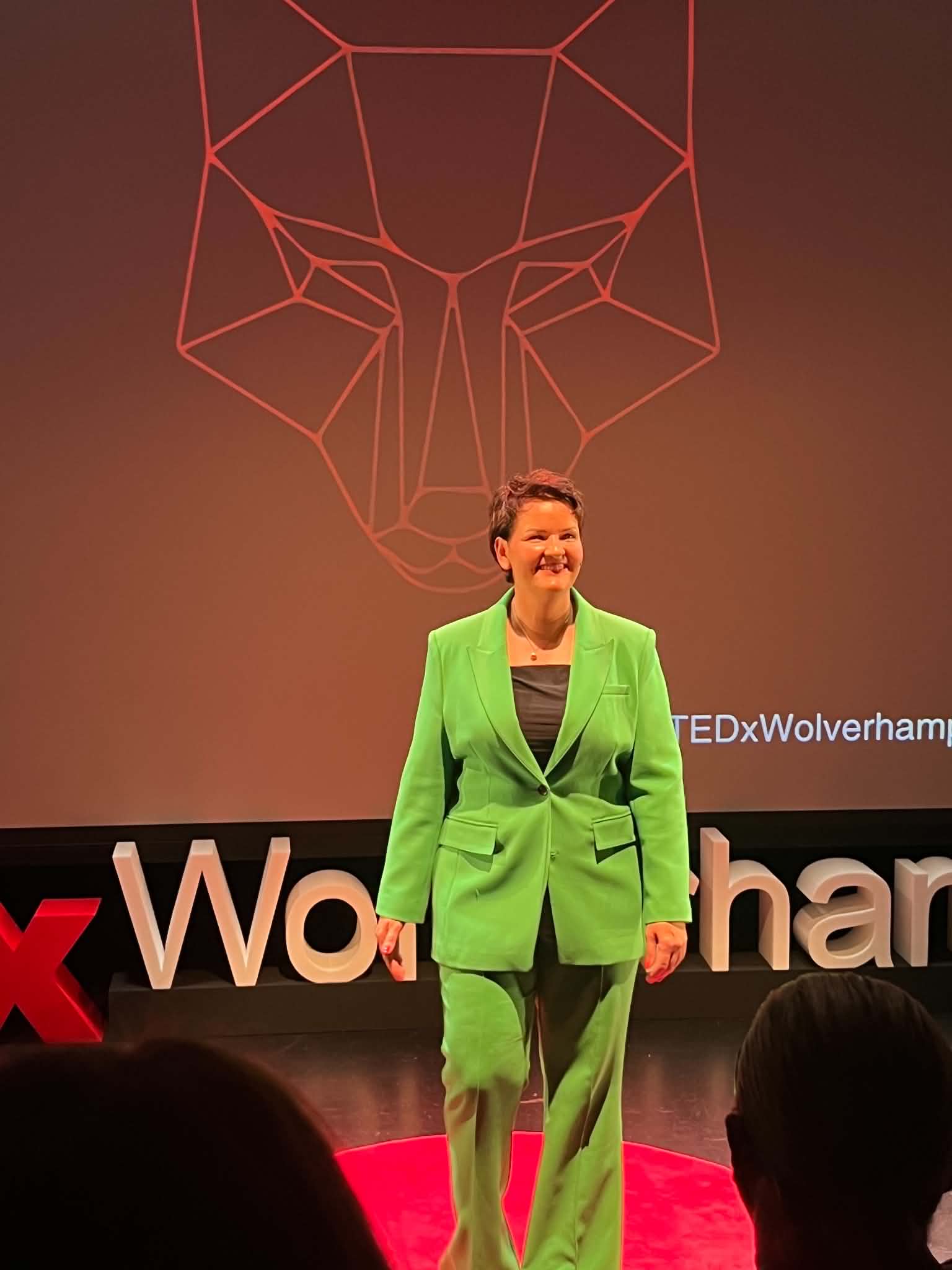
And yes, that lesson ended up on the page, only lightly disguised. When I stood on the TEDx stage and said "Don't be a foreigner in your own success," I was really speaking to the woman from all those evenings, the one who could not answer the question of who she was. It took me years to realise that I was never just one of those roles. I was the author of all of them.
What has Violeta Saladiene been listening to lately while she works?
Violeta moved from meditation and mindfulness music in the aftermath of her TEDx talk to podcasts and speeches on creativity, and has recently been following international speaker and creativity explorer Fredrik Härén.
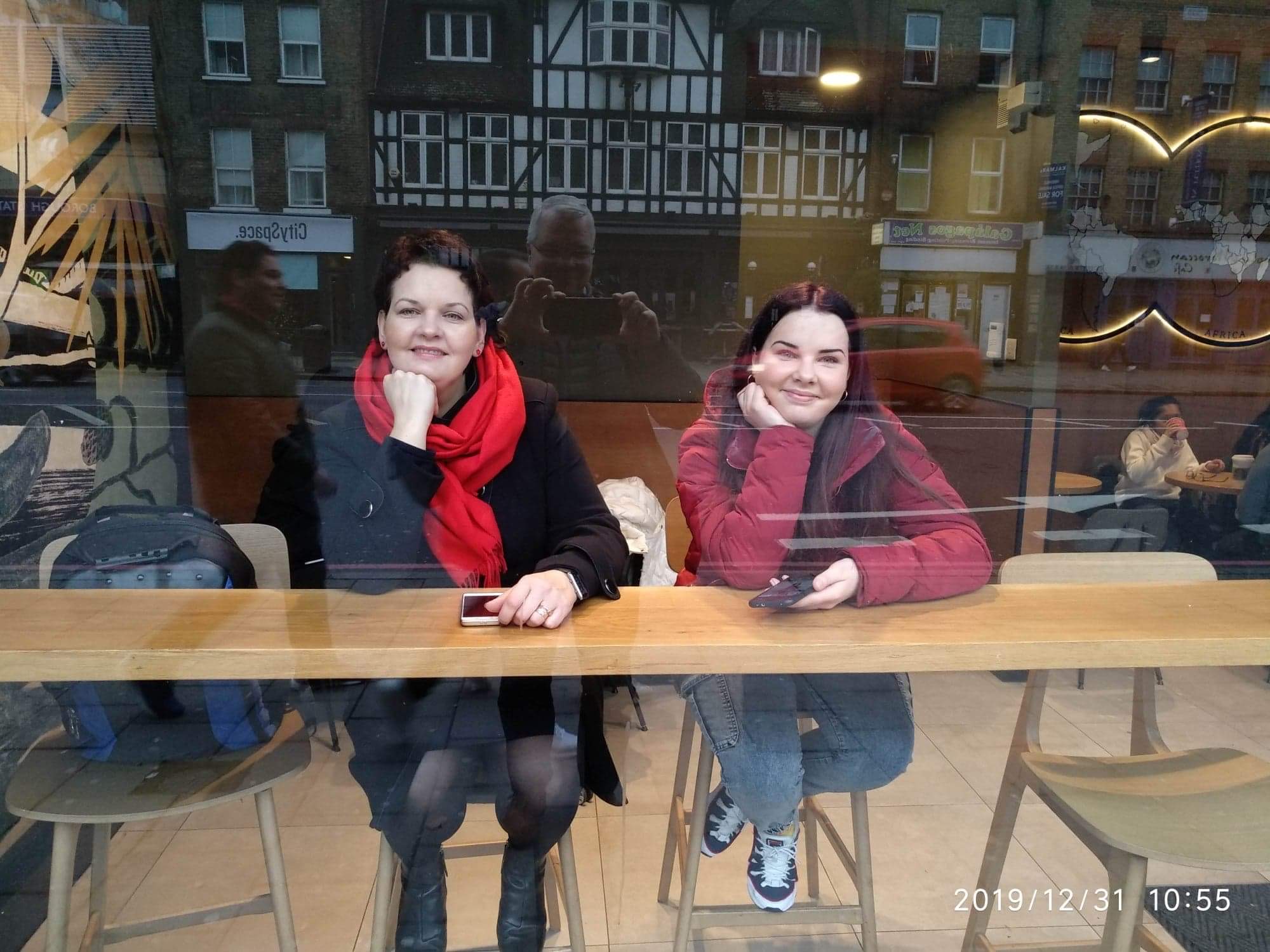
After TEDx, I felt a little bit down. It was the end of a big project, six months of my life, and suddenly it was over. During that time, I mostly listened to meditation and mindfulness music. Now I have switched to podcasts and speeches about creativity, because that is where I get my inspiration. Creativity is combining different ideas, and that is exactly how I got the idea for my TEDx talk and developed it. To be specific, lately I have been listening to one international speaker, author and creativity explorer, Fredrik Härén.
What is Violeta Saladiene's one-year goal — the project she should be held accountable to?
Violeta's stated goal for the next twelve months is to complete a workbook on confidence — a notebook where readers both read and write, designed to address the fluctuations of confidence, the inner critic, and self-doubt.
My next project is a notebook on confidence. My workbook. A place where you read, and then you write. Because confidence is never finished. It fluctuates with life, it argues with your inner critic, it wrestles with self-doubt. The notebook will tackle all three, but I will keep the how to myself for now. It has been in my mind for a while already. So in one year, hold me accountable.
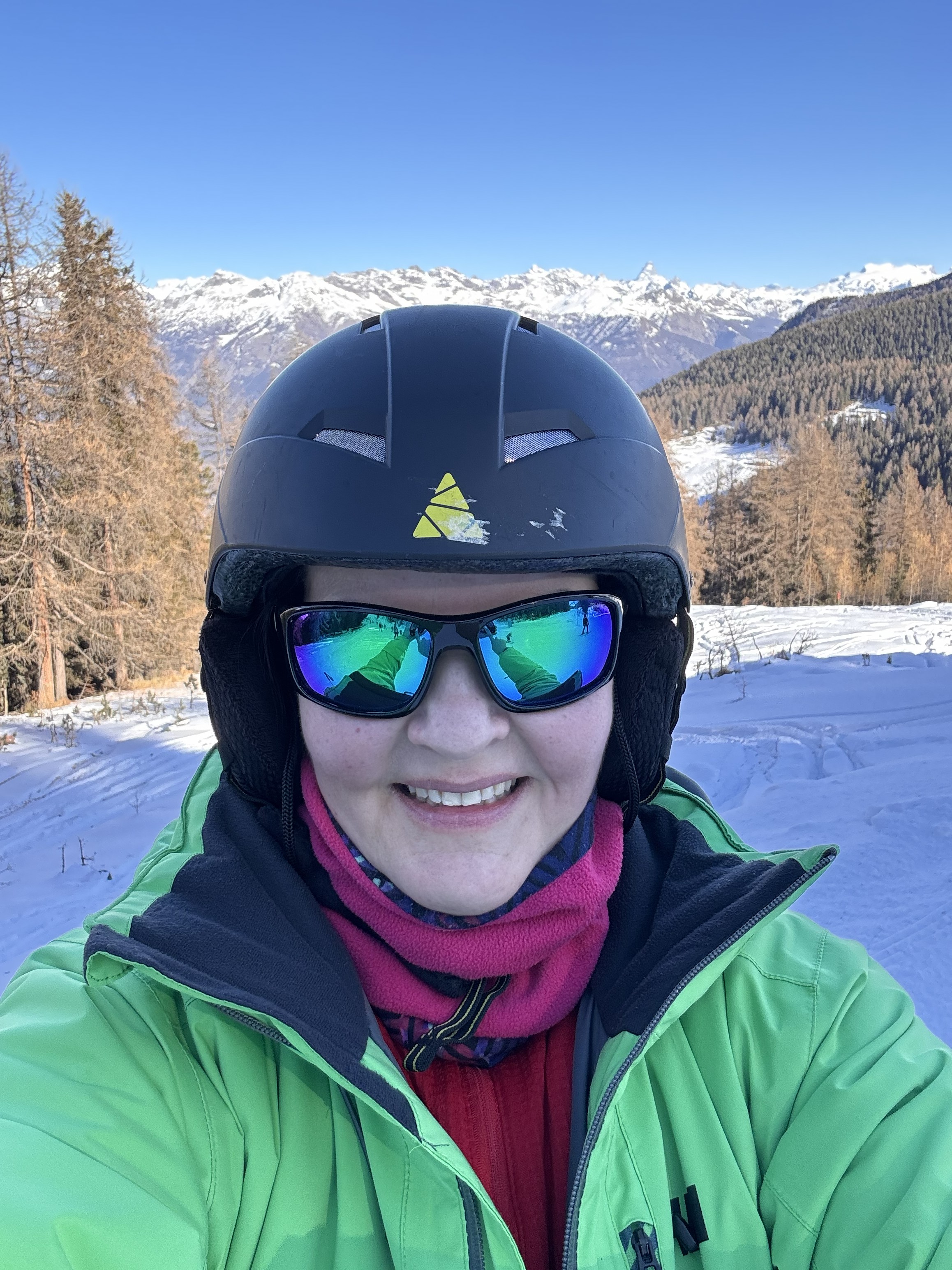
What does Violeta Saladiene say people almost always get wrong about her?
Violeta says the most persistent misconception about her is that confidence comes naturally to her — a belief that erases the lounge rehearsals, the fifteen script versions, and the inner critic battles that precede every public performance.
What people almost never get right about me is confidence. After a meeting, at a conference, even after TEDx, people come up to me and say: I wish I could be as confident as you are. And that surprises me every time. Because they see me on stage, winning contests, delivering a TEDx talk, and they assume confidence comes naturally to me. It does not. What they never see are the lounge rehearsals in front of my dog, the fifteen versions of one script, the evenings spent arguing with my inner critic. They see the red dot, but not the red Christmas tree cover I practised on in my own lounge for weeks before I ever stepped on it.
Confidence, for me, is not a talent. It is work. I build it, I lose it, I build it again. And that is exactly why my next project is a notebook on confidence. I am not writing it because confidence comes easily to me. I am writing it because it doesn't.
Thank you so much for sharing your story with us, Violeta!
Frequently Asked Questions about Violeta Saladiene
What is the core message of Violeta Saladiene's TEDx talk?
After years of moving between careers — lecturer, sales executive, interpreter — following my relocation to the UK, I reached a point where I genuinely did not know who I was. The message at the heart of my TEDx talk, "Don't be a foreigner in your own success," came directly from those evenings of asking myself that question. I was speaking to the version of myself who had lost her identity in the process of adapting to a new country and culture. The realisation I eventually reached was that I was never just one of those roles — I was the author of all of them. That is what the talk was really about.
What is Violeta Saladiene's creative writing process and where does she typically write?
As a keynote speaker and coach who works across ideas and storytelling, my creative process begins with inspiration rather than routine — it can come from other speakers, books, or lived experience. I write primarily by hand on an iPad with a pen, scribbling everything down even when I know I will rewrite it. The environment is flexible: trains, hotel rooms, and cafés with headphones on and a cortado in hand are all fair territory. In 2024, during a particularly stressful journey to a Toastmasters conference in Portlaoise, I scribbled the story at every stage — airplane, train, hotel room — because capturing the details and emotions immediately is what makes the writing feel alive.
What is Violeta Saladiene's view on confidence and where does it come from?
Having spent years building a public-speaking career from the ground up, my view on confidence is straightforward: it is not a talent, it is work. People often approach me after events and say they wish they could be as confident as I am, and every time it surprises me — because what they see is the stage, not the preparation behind it. They do not see the lounge rehearsals in front of my dog, the fifteen versions of one script, or the evenings spent arguing with my inner critic. I build confidence, I lose it, and then I build it again. That cycle is exactly why my next project is a workbook on the subject.
What is Violeta Saladiene's next project and what will it focus on?
After completing my TEDx talk — which was six months of intensive work — my next project is a notebook on confidence. It is a workbook: a place where you read, and then you write. Confidence is never finished — it fluctuates with life, argues with your inner critic, and wrestles with self-doubt — and the notebook will tackle all three of those dimensions. I am keeping the specific method to myself for now, but the project has been forming in my mind for a while. I am writing it not because confidence comes easily to me, but precisely because it doesn't.
Who is Violeta Saladiene's current creative influence and what draws her to them?
As a speaker and creative thinker, I draw my inspiration largely from ideas about creativity itself — the way different concepts combine to produce something new. That is how I developed my TEDx talk, and it is the lens through which I approach most of my work. Lately, the voice I keep returning to is Fredrik Härén, an international speaker, author, and creativity explorer. I find that listening to people who examine the mechanics of creativity directly feeds the way I generate and develop my own ideas. After the low that followed TEDx, switching from meditative music to creativity-focused content was what helped me find my direction again.
What does Violeta Saladiene's identity journey reveal about reinvention after relocation?
Having lived through a long period of adaptation after moving to the UK — navigating a new country, a new culture, and multiple career identities simultaneously — I know firsthand how disorienting reinvention can be. There were years when I worked as a lecturer, years as a sales executive, and years as an interpreter, and somewhere in that shifting I lost a clear sense of who I was. I remember many evenings asking myself the same question: who am I? The answer took years to arrive, and it was not one single role — it was the recognition that I was the author of all those roles.