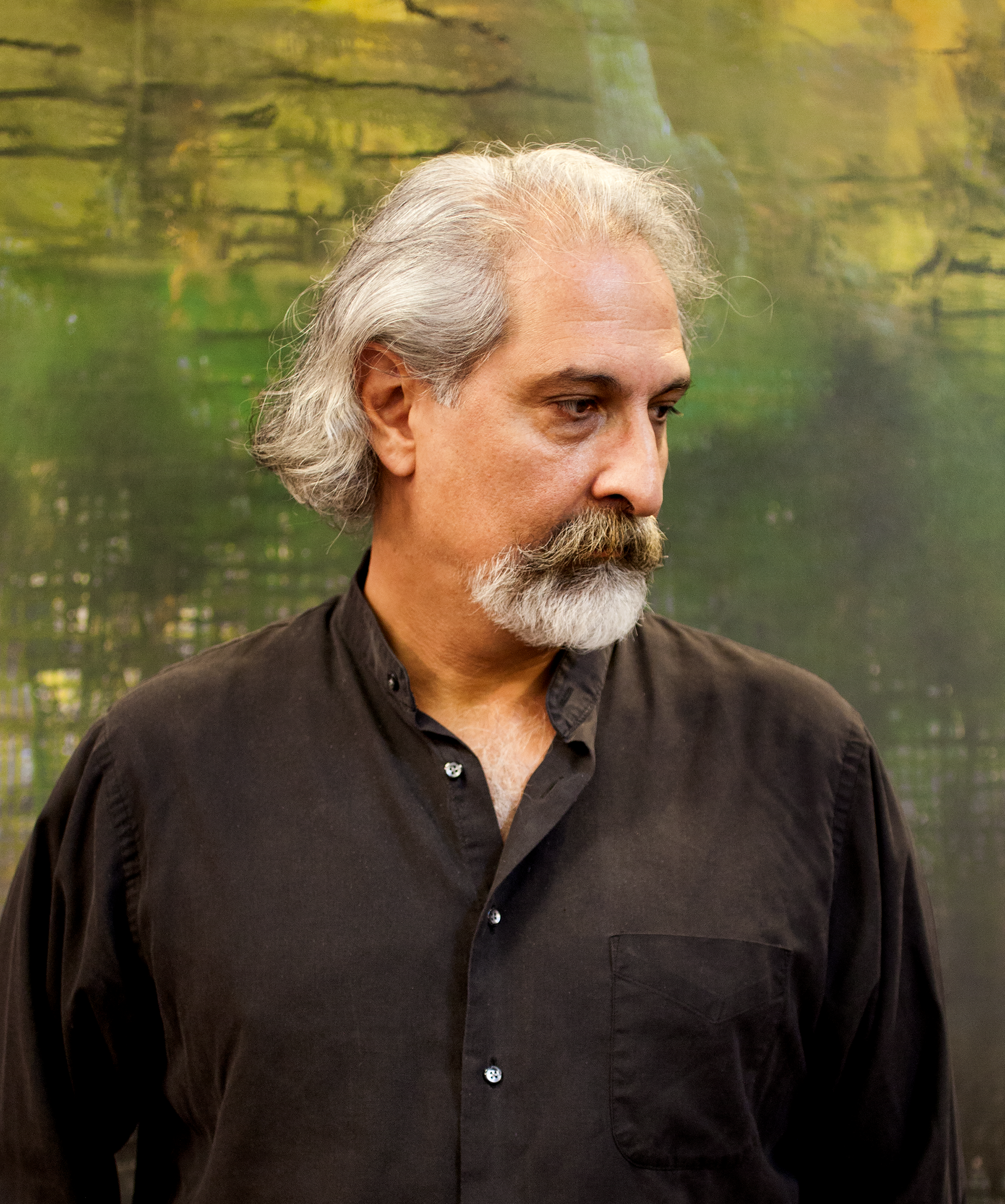
Yari Ostovany
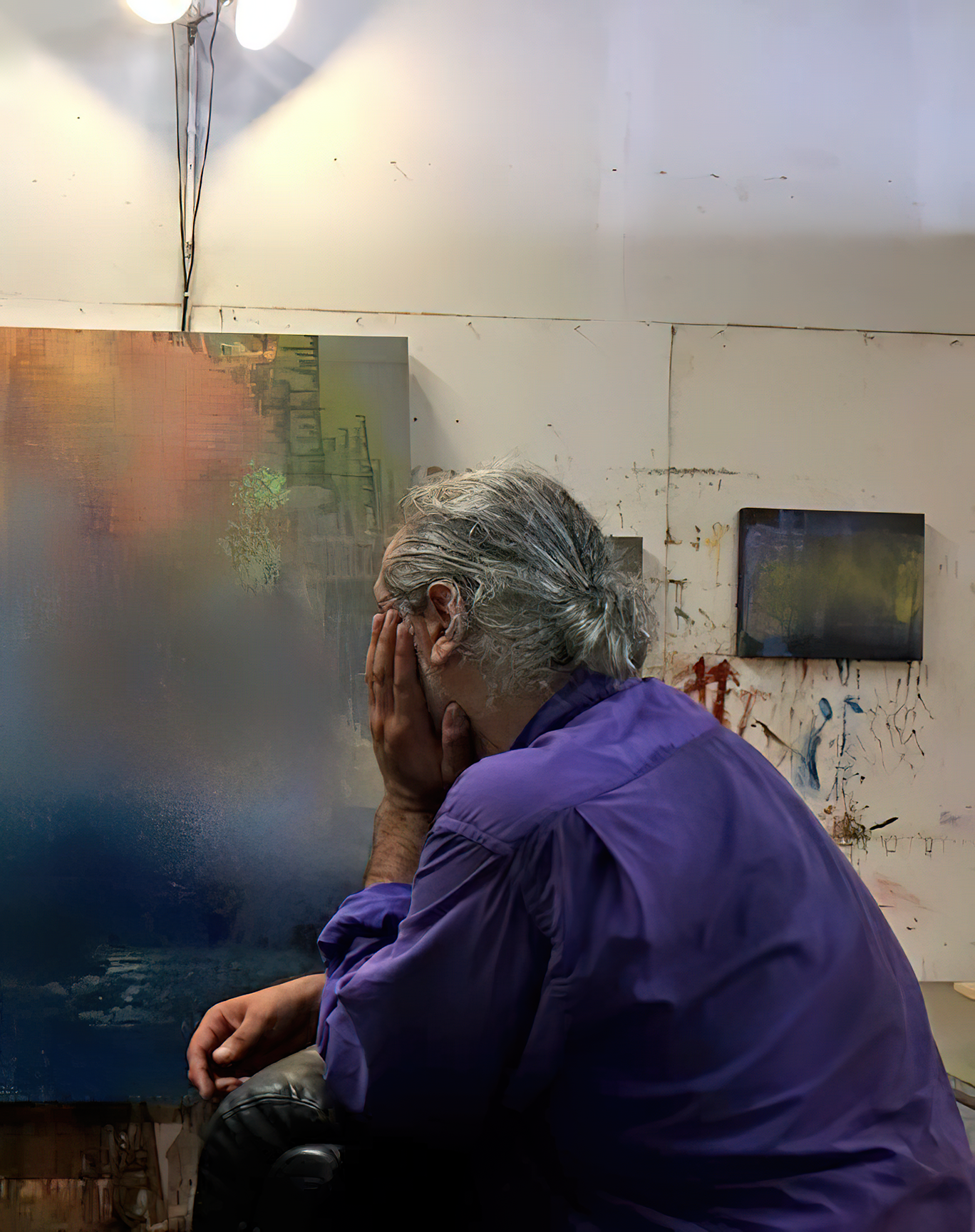
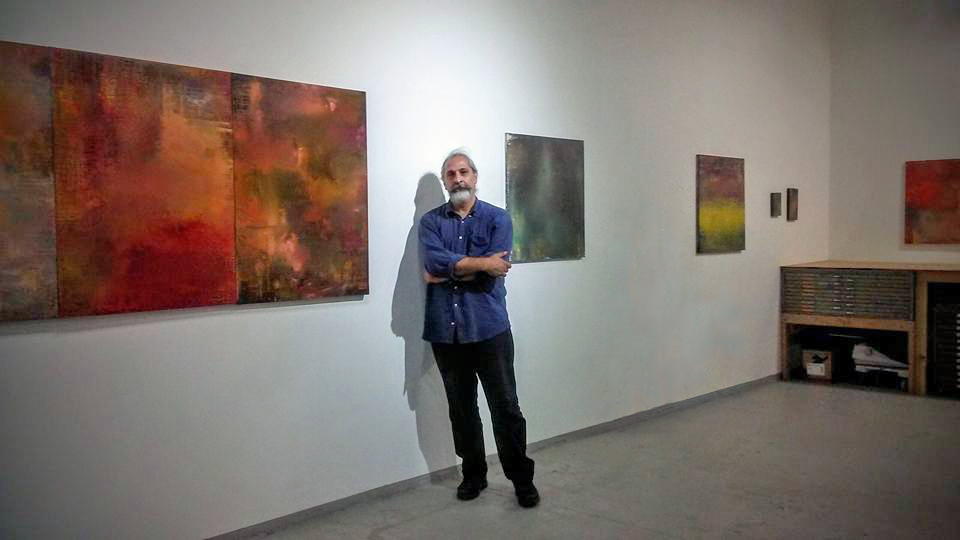
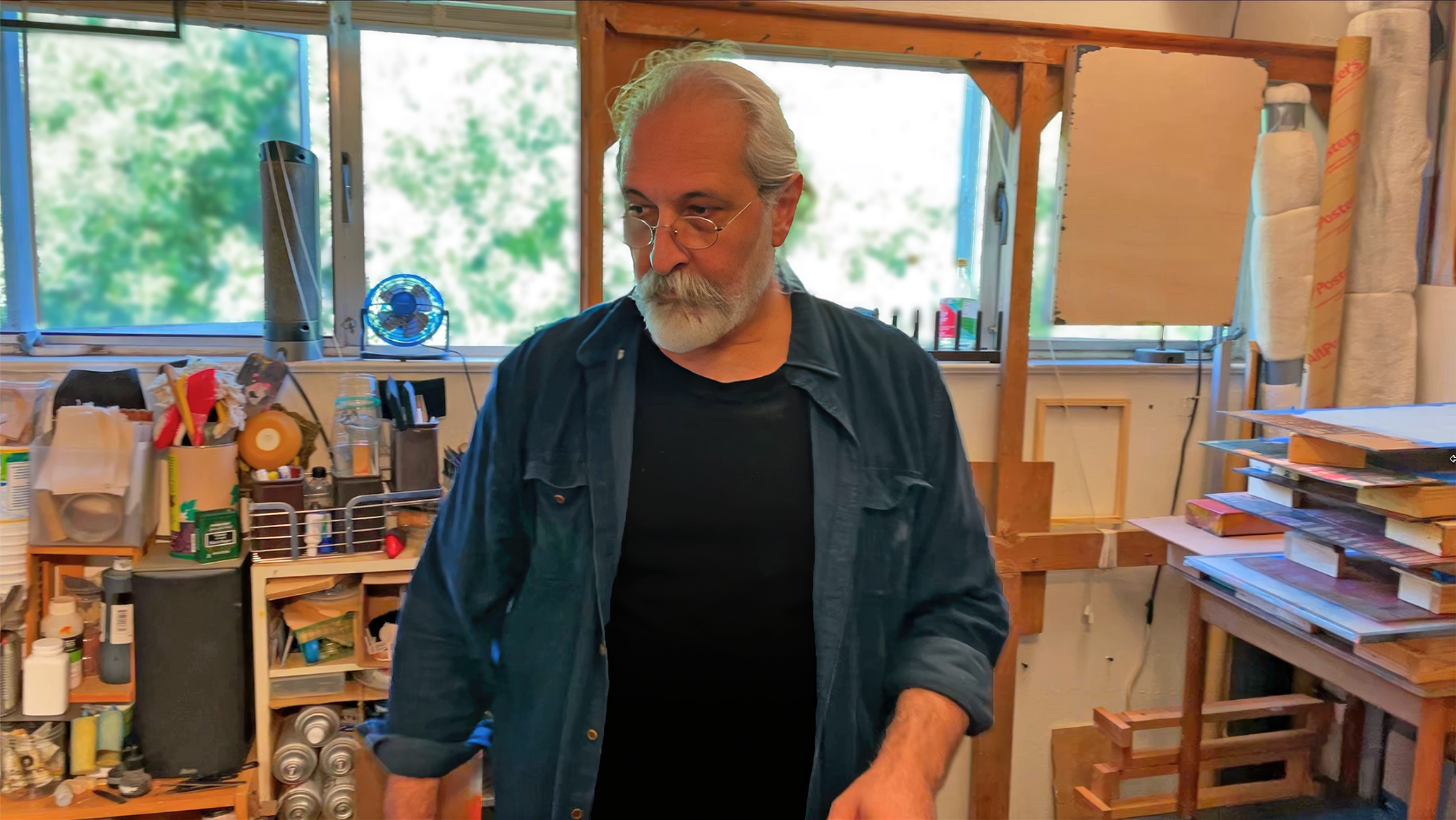
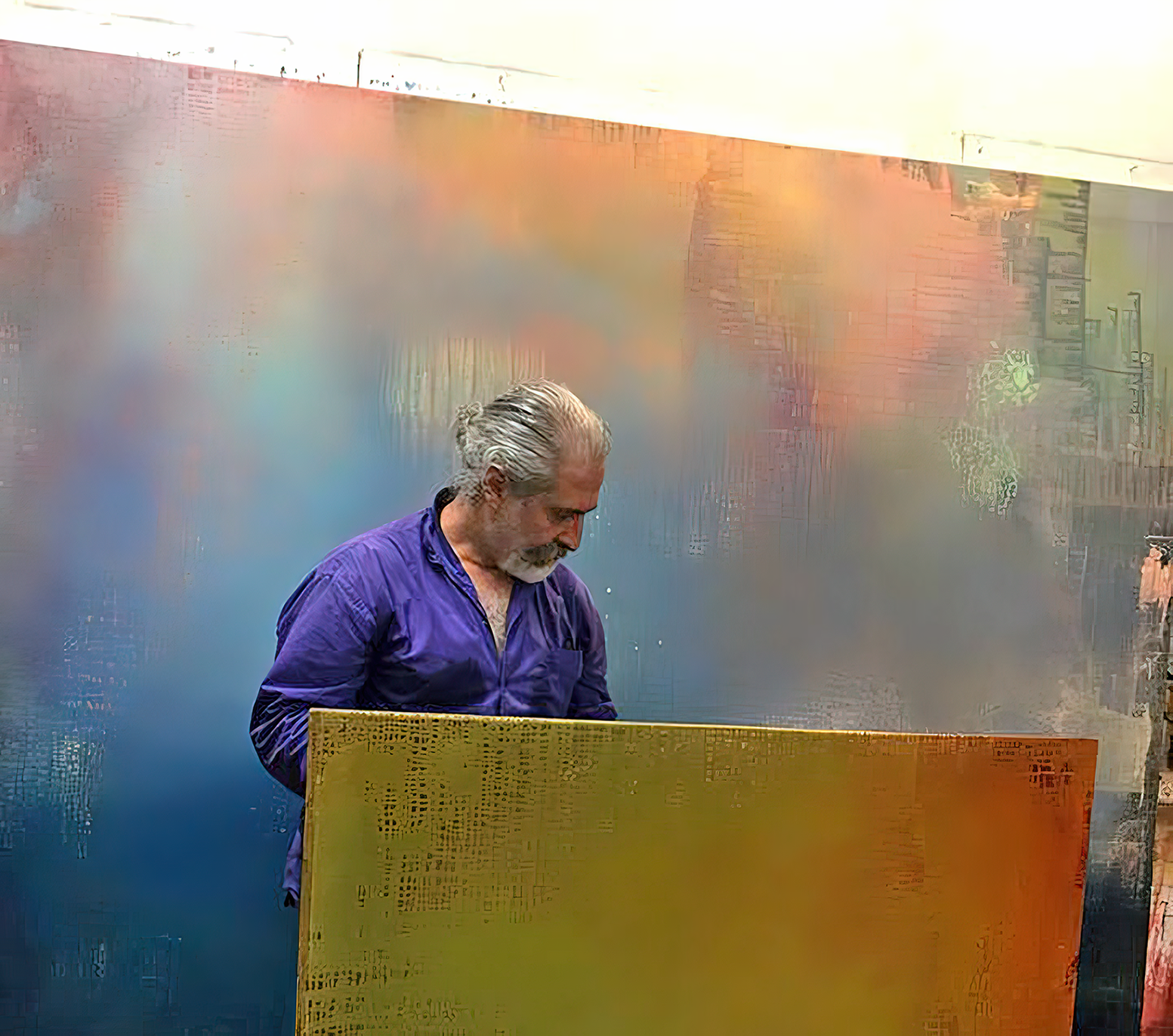
Yari Ostovany is a fine artist and painter working across more than three decades of practice. His hardest-won insight is that a painting is not a surface to impose an image upon, but a negotiation between intention and material revelation, a process he describes as allowing an experience to become visible rather than forcing the work to report on an idea.
From leaving Iran at sixteen during the Revolution to building a body of work that holds memory, atmosphere, and material presence in the same frame, Yari Ostovany's story moves between displacement and artistic discovery, between biography and its deliberate transformation into something broader. In this interview with Powerful Blueprints, Yari talks candidly about the relationship between improvisation and control, the structural influence of music on paint, and why he insists that the viewer's own history must always have room to enter the work. Good morning, Yari Ostovany!
How has Yari Ostovany's inner life changed across more than three decades of painting?
Yari Ostovany describes the central shift in his practice not as stylistic evolution but as a deepening trust in the dialogue between intention and material revelation, moving away from predetermined answers toward allowing an experience to become visible.
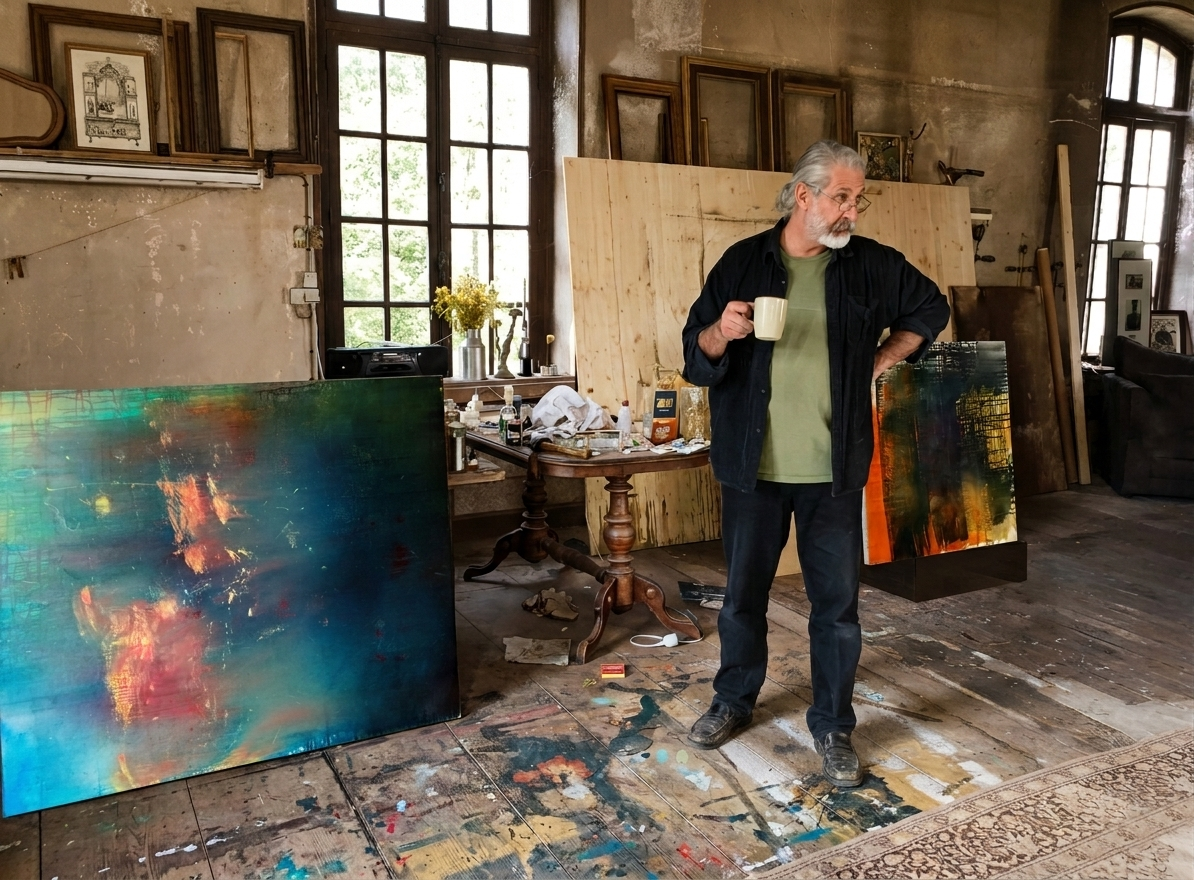
Over more than three decades, the shift in my work hasn't been a matter of stylistic evolution, but a fundamental change in my relationship to uncertainty and control. I have learned to let a painting remain open long enough for its own material intelligence to emerge.
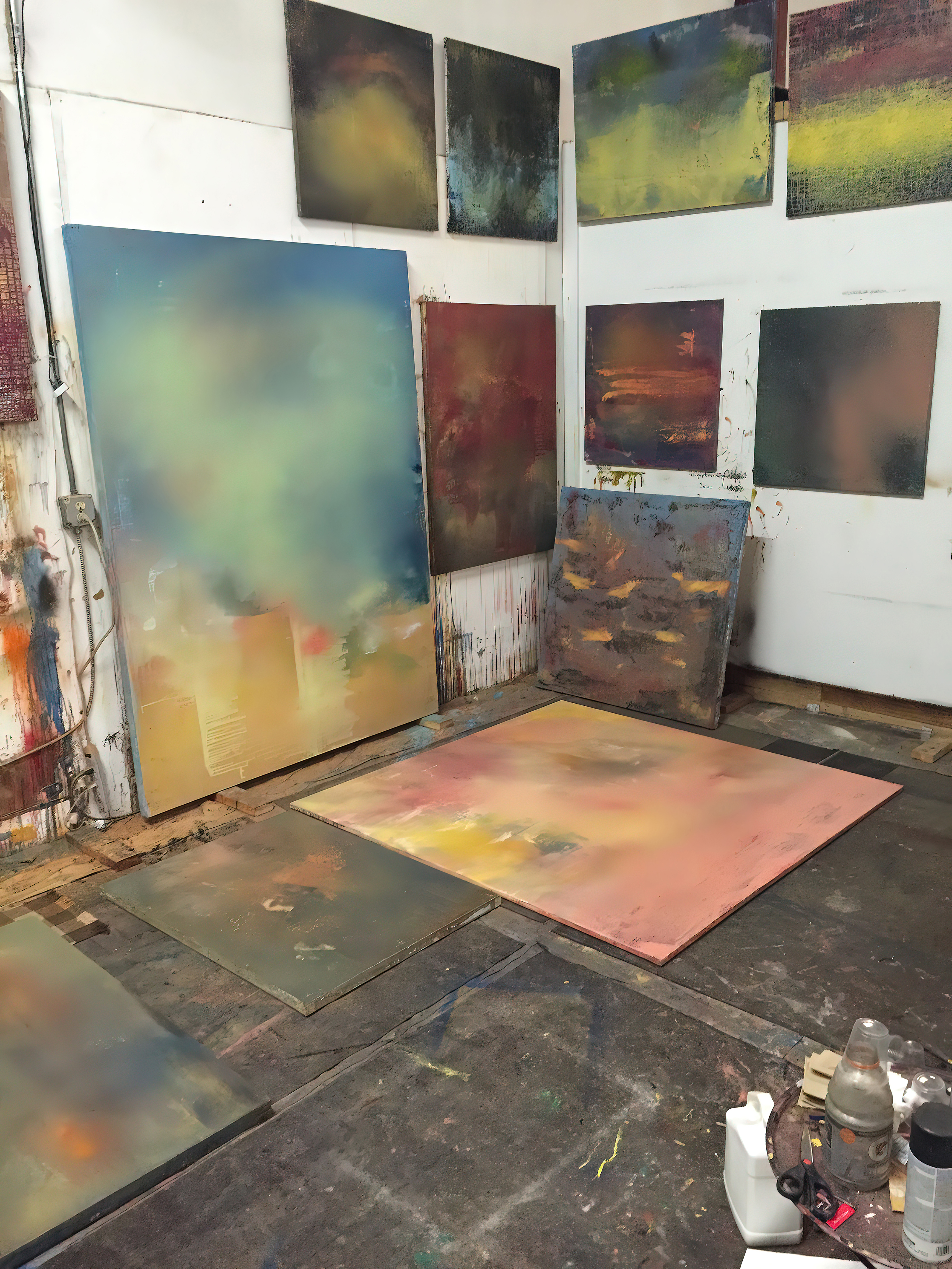
My process is deeply improvisational, beginning with intuition, memory, emotional pressure, or a calligraphic gesture, and unfolding through layering, washes, glazes, erasure, scraping, and veiling. Gravity, paint flow, and the physical rotation of the surface are active participants in the studio. Over time, my questions have become far more precise: I am interested in how light emerges through veiling, how erosion and accumulation carry memory, and how presence exists alongside absence.
I no longer view a canvas as a surface to impose an image upon, but as a negotiation between intention and material revelation. What changed inside me was a deeper trust in that dialogue, moving away from arriving at a predetermined answer toward allowing an experience to become visible.
What is Yari Ostovany trying to say through abstraction that words cannot contain?
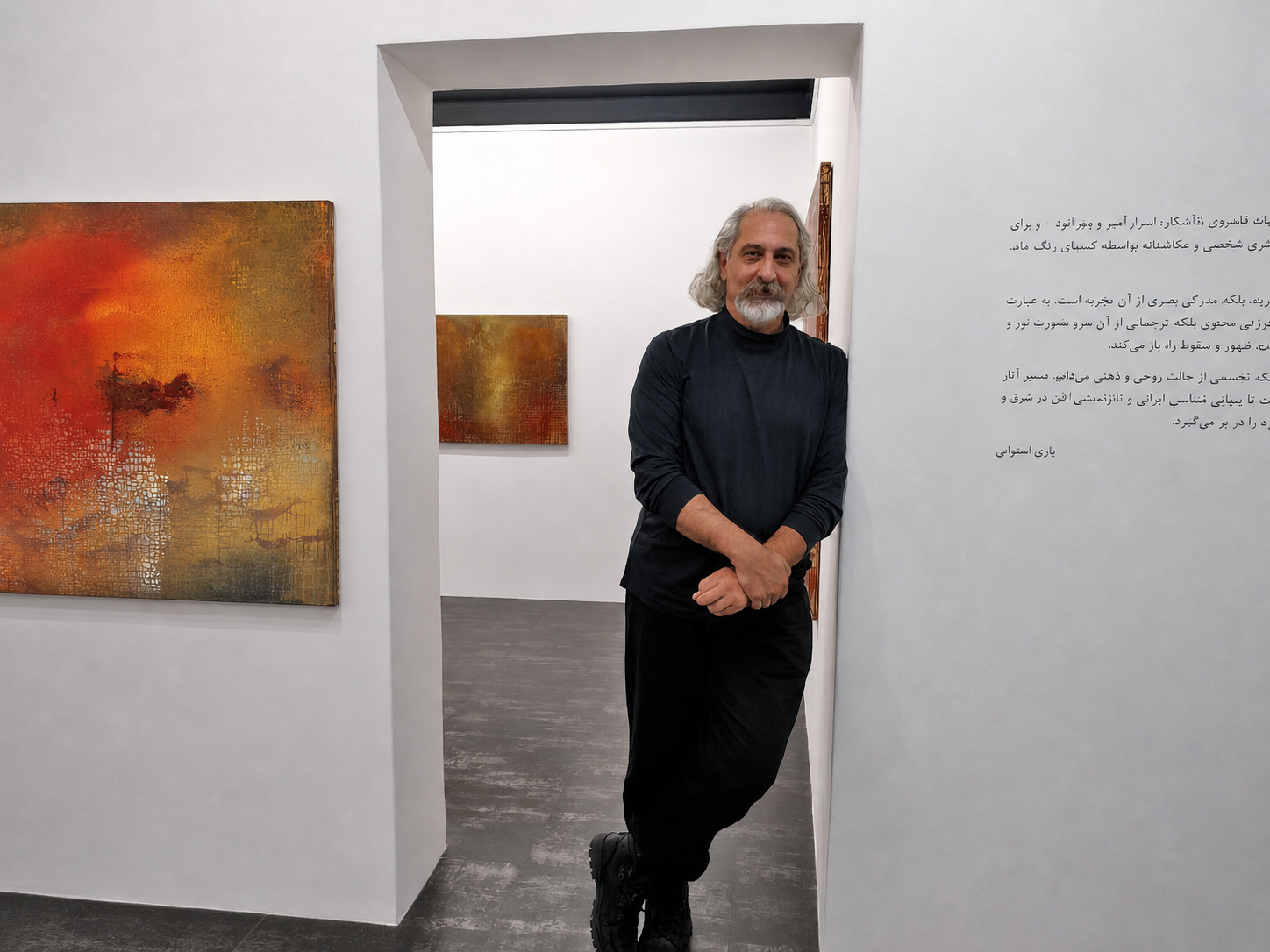
Yari Ostovany works to make the invisible felt, treating abstraction as a threshold where material presence, memory, atmosphere, and the unseen meet, and the canvas not as a report on an experience, but as direct visual evidence of one.
I am trying to say that an experience does not disappear simply because it cannot be represented literally. Memory changes form, it lingers as atmosphere, rhythm, pressure, light, or a physical trace held in matter.
I have no interest in illustrating a fixed message or explaining a rigid concept. I am trying to make the invisible felt. For me, abstraction is a threshold where material presence, memory, atmosphere, and the unseen meet. Painting allows me to inhabit spaces that language can only partially contain: transformation, absence, emergence, dissolution, and the persistence of what has seemingly vanished.
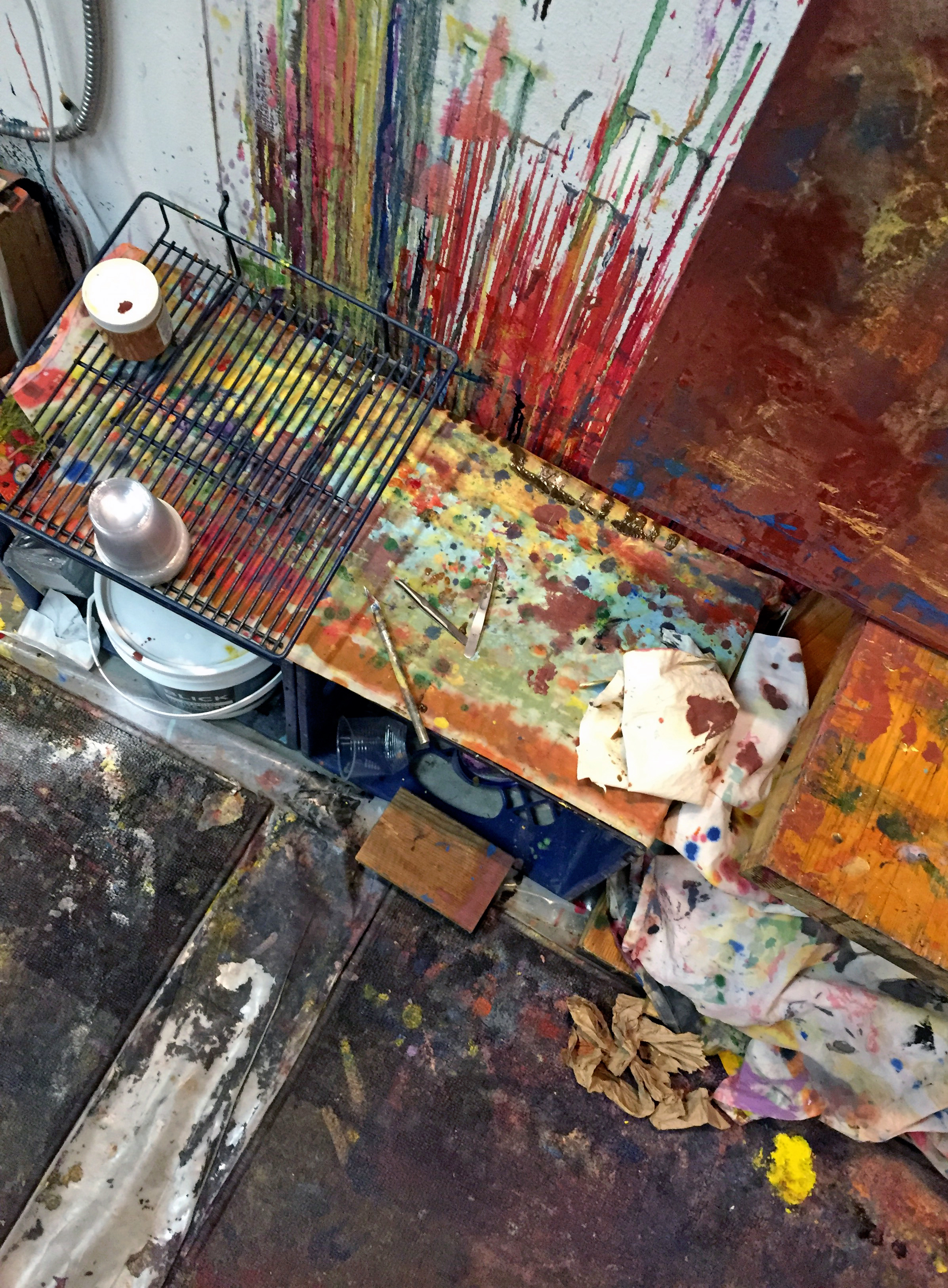
I think of a canvas not as a report on an experience, but as the direct visual evidence of one. If the work succeeds, it doesn't instruct the viewer on what to feel; it opens a resonant space where their own perception and memory can become active. The painting carries its own history, but it always leaves room for the viewer to enter.
How much of Yari Ostovany's personal history is visible in the paintings?
Yari Ostovany's personal life enters the work deeply but rarely as direct autobiography, his experience of leaving Iran at sixteen during the Revolution shaped his understanding of abstraction as a language for liminal spaces, though those experiences are thoroughly transformed in the paint rather than displayed as biography.
My personal life enters the work deeply, but rarely as direct autobiography. Having left Iran at sixteen during the Revolution, my experience of living between cultures, histories, and geographies naturally shaped my understanding of abstraction. It offered a language for liminal spaces, the terrain between East and West, memory and the present, presence and absence.
At the same time, I resist reducing the paintings to biography or identity. Those experiences form the soil from which the work grows, but they are not its ultimate subject.
What actually becomes visible on the canvas is a way of perceiving: an attraction to memory, transformation, light, veiling, erosion, and the boundary between what appears and what remains unseen. The personal is present, but it is thoroughly transformed. A viewer may not read my specific history in the paint, nor do I think they need to. The work carries those lived experiences through its atmosphere and material tensions while remaining broad enough to invite the viewer's own history into the room.
What music does Yari Ostovany return to, and how does it shape the paintings?
Yari Ostovany draws from a constellation of composers, Keith Jarrett, Beethoven, and Arvo Pärt, responding not to their sound directly but to their structural behaviors of rhythm, pause, accumulation, and release, which mirror his own layered painting process.
My go-to music is a constellation rather than a single source: Keith Jarrett, Beethoven and Arvo Pärt.
I return to them for very different reasons. Jarrett holds structure and improvisation in the same breath; Beethoven generates immense movement and internal tension; Pärt works through restraint, silence, and spatial resonance. What unites them for me is how they make time itself palpable.
That sensibility enters my painting continuously, both consciously and obliquely. I don't translate music into visual illustration. Instead, I respond to its structural behaviors, rhythm, pause, recurrence, accumulation, tension, and release. Those qualities mirror my process with layers of paint, veiling, erasure, scraping, and the emergence or dissolution of form. A painting can build pressure, hold a silence, or open into space in much the same way a composition unfolds.
In works like In Principio (for Arvo Pärt) or A Quintet for Keith Jarrett, the dialogue is explicit. In other paintings, music operates beneath the surface, not as a direct subject, but as rhythm, duration, and atmosphere.
How does surprise function in Yari Ostovany's studio process?
Yari Ostovany describes surprise not as an isolated event but as the fundamental condition under which every painting comes into being, with the artist's task being to remain attentive enough to recognize when a work begins to become itself and flexible enough to follow it.
Rather than a single isolated piece, surprise is the condition under which every painting comes into being. I never begin with a fully resolved image or a fixed outcome; a canvas might start with an intuitive impulse, a memory, emotional pressure, or a quick calligraphic gesture. From there, the work demands that I listen to its own emerging logic, to where the paint wants to go rather than where I try to take it.
The process is a continuous conversation between intention and material. Working through layers of washes, glazes, veiling, erasure, and scraping, I let gravity and the natural flow of liquid paint redirect passages. Rotating the painting surface alters its orientation, revealing possibilities I could not have anticipated. Forms surface, dissolve, and re-emerge under repeated veiling and scouring.
The surprise is never an accident tacked onto a plan, it is the painting gradually becoming itself. My task is simply to remain attentive enough to recognize that shift and flexible enough to follow it, allowing an experience to become visible rather than forcing the work to report on an idea.
Thank you so much for sharing your story with us, Yari Ostovany.
Frequently Asked Questions about Yari Ostovany
What is Yari Ostovany's core philosophy about painting and material?
After more than three decades in the studio, my deepest conviction is that a canvas is not a surface to impose an image upon, it is a negotiation between intention and material revelation. I have learned to let a painting remain open long enough for its own material intelligence to emerge, which means resisting the urge to arrive at a predetermined answer. My process moves through layering, washes, glazes, veiling, erasure, scraping, and the physical rotation of the surface, with gravity and paint flow acting as active participants rather than problems to solve. What changed most profoundly over the years was a deeper trust in that dialogue. The painting becomes itself; my task is simply to remain attentive enough to follow it.
How did Yari Ostovany's experience of leaving Iran shape his approach to abstraction?
Having left Iran at sixteen during the Revolution, my experience of living between cultures, histories, and geographies naturally shaped how I understood what abstraction could do. It offered me a language for liminal spaces, the terrain between East and West, memory and the present, presence and absence, that no other mode of image-making quite provided. At the same time, I resist reducing the paintings to biography or identity, because those experiences form the soil from which the work grows, not its ultimate subject. What becomes visible on the canvas is a way of perceiving rather than a record of events. The personal is present, but it is thoroughly transformed by the time it reaches the paint.
What is Yari Ostovany's relationship between music and painting in his practice?
As a painter whose process is built on improvisation, layering, and structural rhythm, I return constantly to composers like Keith Jarrett, Beethoven, and Arvo Pärt, not to illustrate their sound, but to absorb their structural behaviors. What unites those composers for me is how they make time itself palpable: Jarrett holds structure and improvisation in the same breath, Beethoven generates immense movement and internal tension, and Pärt works through restraint, silence, and spatial resonance. Those qualities mirror my own process with layers of paint, veiling, erasure, scraping, and the emergence or dissolution of form. In works like In Principio (for Arvo Pärt) and A Quintet for Keith Jarrett, the dialogue between music and painting is explicit. In other canvases, music operates beneath the surface as rhythm, duration, and atmosphere.
What does Yari Ostovany mean when he says a painting carries its own history?
Working through repeated cycles of accumulation and erasure, I think of a canvas as the direct visual evidence of an experience rather than a report on one. Each layer of wash, glaze, veiling, and scraping leaves a physical trace, an archaeology of decisions, pressures, and redirections that remain legible in the final surface even when they are not immediately obvious. That material history is what I mean when I say the painting carries memory: erosion and accumulation are not just formal qualities but a record of duration and transformation. If the work succeeds, it doesn't instruct the viewer on what to feel; it opens a resonant space where their own perception and memory can become active. The painting holds its history, but it always leaves room for the viewer to enter with their own.
What is Yari Ostovany's understanding of the viewer's role in front of an abstract painting?
In my view, abstraction is a threshold where material presence, memory, atmosphere, and the unseen meet, and the viewer's own history is an essential part of what completes that space. I have no interest in instructing someone on what to feel in front of a canvas; the work is not designed to deliver a fixed message or explain a rigid concept. Instead, I try to open a resonant space where the viewer's own perception and memory can become active alongside the painting's. A viewer may not read my specific history in the paint, nor do I think they need to, the work carries those lived experiences through its atmosphere and material tensions while remaining broad enough to invite their own. The painting always leaves room for the viewer to enter.
What is Yari Ostovany's attitude toward surprise and improvisation in the studio?
As a painter who never begins with a fully resolved image or a fixed outcome, I treat surprise not as a happy accident but as the fundamental condition under which every painting comes into being. A canvas might start with an intuitive impulse, a memory, emotional pressure, or a quick calligraphic gesture, and from there, the work demands that I listen to its own emerging logic rather than force it toward a predetermined destination. Working through layers of washes, glazes, veiling, erasure, and scraping, I let gravity and the natural flow of liquid paint redirect passages, and rotating the surface reveals possibilities I could not have anticipated. Forms surface, dissolve, and re-emerge under repeated veiling and scouring, and my task is simply to remain attentive enough to recognize when the painting is becoming itself. The surprise is never tacked onto a plan, it is the plan.